
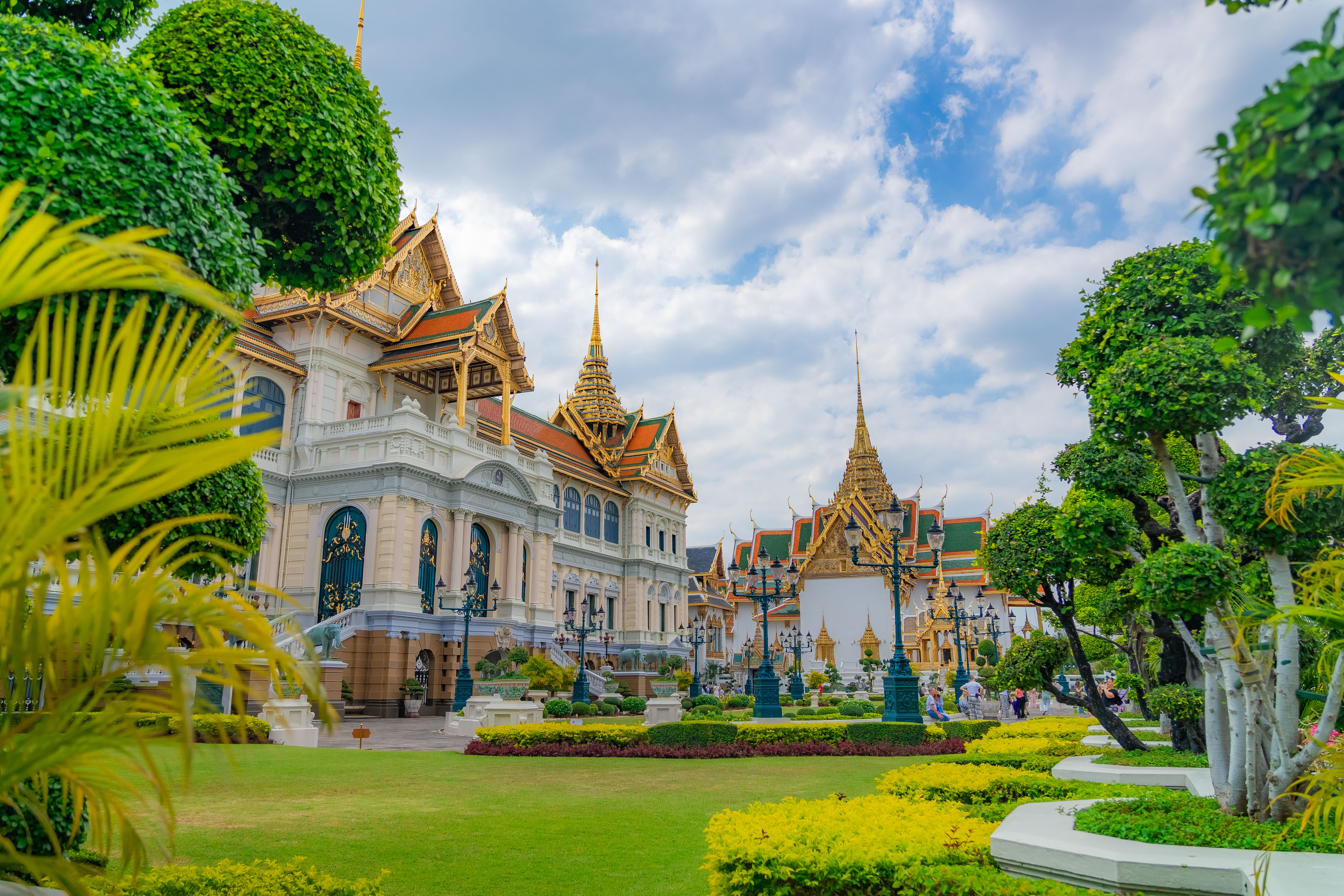
Bangkok, the vibrant capital of Thailand, beckons travelers with its intoxicating blend of tradition and modernity, making it an irresistible destination for exploration. The city pulsates with life, from the bustling markets and ornate temples to the glittering skyscrapers and bustling street food stalls. Whether you seek historical immersion, culinary delights, or simply a vibrant urban experience, Bangkok’s kaleidoscope of offerings makes it an essential stop for any avid traveler.


Kenya Airways now flies five-times-weekly to Bangkok from Nairobi, marking the reopening of a route suspended in 2020 due to the global Covid-19 pandemic. The resumption expands Kenya Airways’ network to 42 destinations, providing convenient connections for travelers between Africa and the popular Thai destination.

Before embarking on your journey to Thailand, it’s crucial to be well-prepared. Here are some key considerations, especially for Kenyan travelers:
- Visa Requirements for Kenyan Travelers: Kenyan travelers must obtain a visa before heading to Thailand. The Royal Thai Embassy, situated on Rose Avenue (off Denis Pritt Rd), is the place to address any visa-related queries. For detailed information, visit https://nairobi.thaiembassy.org/.
- Health Precautions: Ensure you have a yellow fever certificate, and it’s advisable to be fully vaccinated before traveling. Consult with your doctor regarding additional vaccinations and health precautions.
- Navigation Challenges in Bangkok: Bangkok can be confusing for newcomers due to shifting street names, a winding river, and a lack of clearly distinguishable neighborhoods. Consider obtaining a map to navigate the city more efficiently or have a guide.
- Weather and Clothing: Expect high temperatures in Bangkok, ranging from 32 to 40 degrees Celsius. Pack light, breathable clothes, and don’t forget sunglasses, hats, and sunscreen to shield yourself from the intense sun.
- Limited Public Wi-Fi: Public Wi-Fi is not as widespread as in many other cities. Access is often limited to establishments or restaurants, so plan accordingly for your internet needs. This can be frustrating at times. Alternatively you may need to get a local sim card.
- Respectful Attire for Temples: When visiting temples, adhere to the dress code by wearing decent clothing that covers shoulders and knees. Respect for local customs, such as the traditional “wai” greeting, is crucial.
- Drug Laws: Thailand has strict laws regarding drugs, including a death penalty for those found with hard drugs. Stay clear of any involvement with illegal substances.
- Safety Precautions: While Thailand is generally safe for tourists, exercise caution in crowded areas, and be mindful of your belongings to prevent theft.
- Hydration: Bangkok’s heat can be intense, so drink plenty of water to stay hydrated, especially when exploring the city.
- Language and Communication: While Thai is the official language, English is widely spoken in tourist areas, making communication more accessible.
- Cuisine Exploration: Thai cuisine is renowned globally. Embrace the opportunity to try local dishes, but be cautious about spice levels. Street food is popular, but ensure it’s from a reputable vendor and know what you are eating (they do eat a lot of things that may not be particularly familiar with foreigners, like crocodiles). This is very important to note.
- Transportation Understanding: Familiarize yourself with local transportation options, including tuk-tuks, taxis, and public transport. Negotiate prices before starting your journey, and enjoy the unique experience of riding in a tuk-tuk.
- Bargaining Etiquette: Bargaining is common in markets and smaller shops. However, it’s not as prevalent in larger stores or malls.
- Currency: The official currency of Thailand is the Thai Baht (THB). The currency code is THB, and the symbol is ฿. 1 Thai Baht equals 4.31 Kenyan Shillings. It’s advisable to exchange some currency before you arrive in Thailand, but you can also exchange money at banks, currency exchange counters, and ATMs in major cities and tourist areas. Credit cards are widely accepted in urban areas, but it’s recommended to carry some cash for smaller shops, markets, and in more remote areas.
- Time Zone: Thailand operates on Indochina Time (ICT), which is UTC+7. This is 5 hours ahead of Kenya Standard Time (EAT), so if it’s 12:00 PM in Kenya, it will be 5:00 PM in Thailand.
- ATMs and Banking: ATMs are commonly found in cities and tourist destinations. They usually accept major international credit and debit cards. Notify your bank about your travel plans to avoid any issues with using your cards abroad.
- Fastest way to get to Thailand: Kenya Airways flies direct to Bangkok, Thailand. It flies five-times-weekly flights to Bangkok from Nairobi, on the modern Boeing 787-8 aircraft, Dreamliner. You can book your tickets online via https://www.kenya-airways.com/en_ke/flights-to-bangkok.

Remember these tips as you prepare for your adventure in Thailand, a country that seamlessly blends tradition and modernity, offering a wealth of unforgettable experiences.