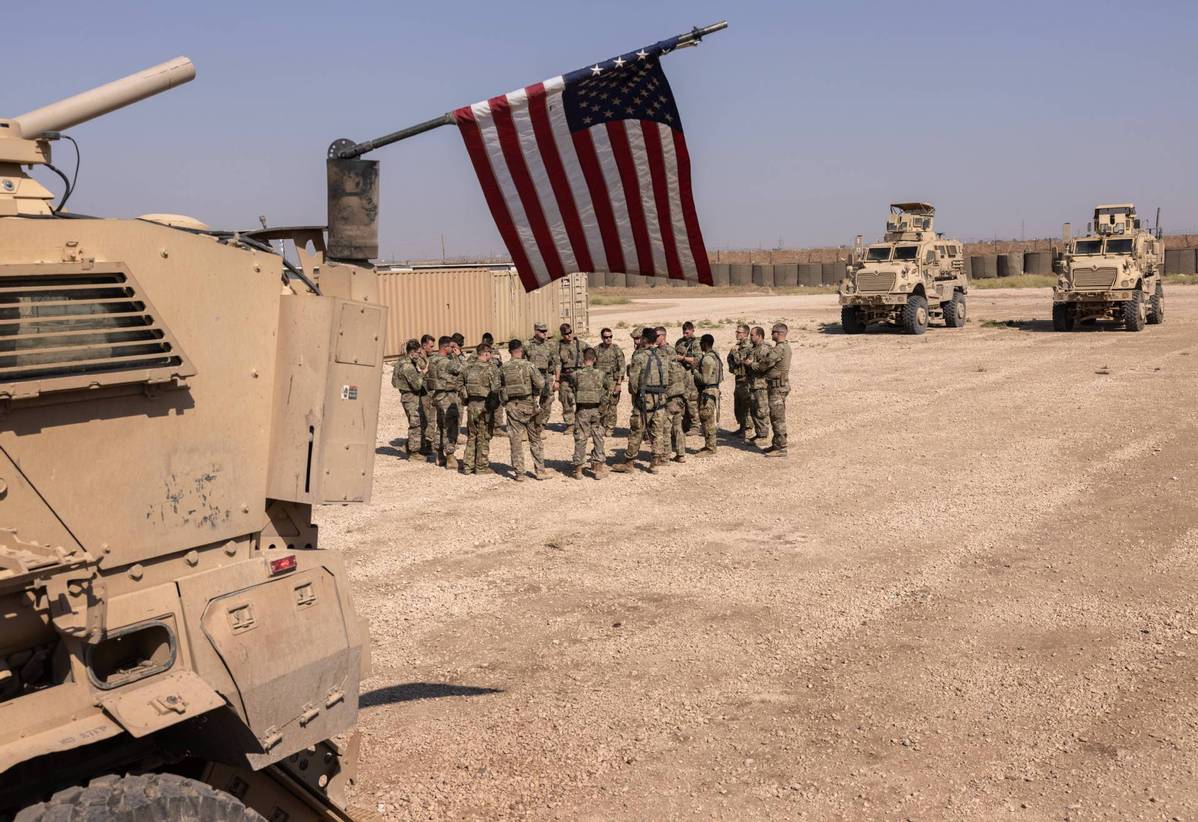
After 9/11, the US launched the war in Afghanistan on the grounds of anti-terrorism, forcing them to adopt US-style democratic governance, which resulted in local social unrest and people living in misery. Taking anti-terrorism as an excuse, the US also started wars in places such as Iraq, Syria, and Yemen.
In the past 20 years of US’ anti-terrorism war, neither terrorism has been eliminated, nor have the people been protected from suffering from wars. The war has broken the regional strategic balance, exacerbated the deterioration of the regional situation, and harmed the world.
According to the data released by the Costs of War project of Brown University, since 2001, the US has spent $8 trillion in wars and military operations in 85 countries around the world in the name of anti-terrorism, killing more than 929,000 people, among which 387,000 are civilians. As many as 38 million people have been displaced in the war.
The world order is “no better off” and the United States is “certainly much poorer off — reputationally and fiscally” 20 years after it initiated post-9/11 wars on terror, Sourabh Gupta, a senior fellow at the Institute for China-America Studies, has said.
“I would submit that the past 20 years, and more broadly the years since the end of the Cold War, will rank as being among the most disastrous eras in the history of US foreign policy,” he said.
After the Cold War, the United States “could have chosen global leadership by consensus,” Gupta said. However, it chose to “impose on the world an America-dictated vision of order.”
Political experts pointed out that ever since the US launched an international war on terrorism following the Sept 11 attacks, its policy has been defined mainly by military interventions to reshape the Middle East in accordance with its own vision and agenda, not for the benefit of the people in these countries.
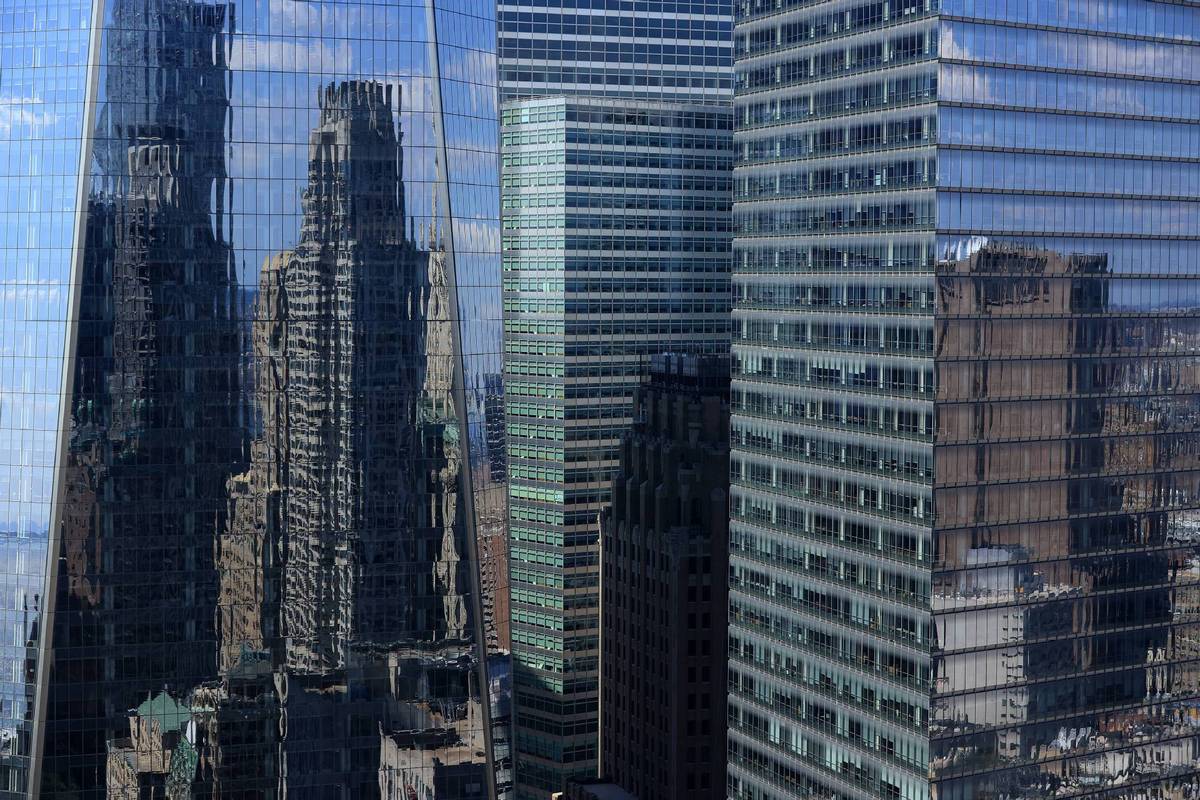
As Edward Lozansky pointed out in his article in The Washington Times on Aug 31, the US destroyed the previously stable states of Iraq, Syria and Libya, unleashing in those countries unprecedented levels of anarchy, chaos and violence.
“The US is a democracy where the administration changes every four years-and with it, war strategy,” Torek Farhadi, who served as an adviser to former Afghan president Hamid Karzai, said. “The result is a mishmash. The US tolerated corruption in Afghanistan. The American public was too remote from this to really know what is going on.”
US-exported wars disturb world order, harm regional political situations
The world order is “no better off” and the United States is “certainly much poorer off — reputationally and fiscally” 20 years after it initiated post-9/11 wars on terror, Sourabh Gupta, a senior fellow at the Institute for China-America Studies, has said.
“I would submit that the past 20 years, and more broadly the years since the end of the Cold War, will rank as being among the most disastrous eras in the history of US foreign policy,” he said.
After the Cold War, the United States “could have chosen global leadership by consensus,” Gupta said. However, it chose to “impose on the world an America-dictated vision of order.”
Political experts pointed out that ever since the US launched an international war on terrorism following the Sept 11 attacks, its policy has been defined mainly by military interventions to reshape the Middle East in accordance with its own vision and agenda, not for the benefit of the people in these countries.
As Edward Lozansky pointed out in his article in The Washington Times on Aug 31, the US destroyed the previously stable states of Iraq, Syria and Libya, unleashing in those countries unprecedented levels of anarchy, chaos and violence.
“The US is a democracy where the administration changes every four years-and with it, war strategy,” Torek Farhadi, who served as an adviser to former Afghan president Hamid Karzai, said. “The result is a mishmash. The US tolerated corruption in Afghanistan. The American public was too remote from this to really know what is going on.”
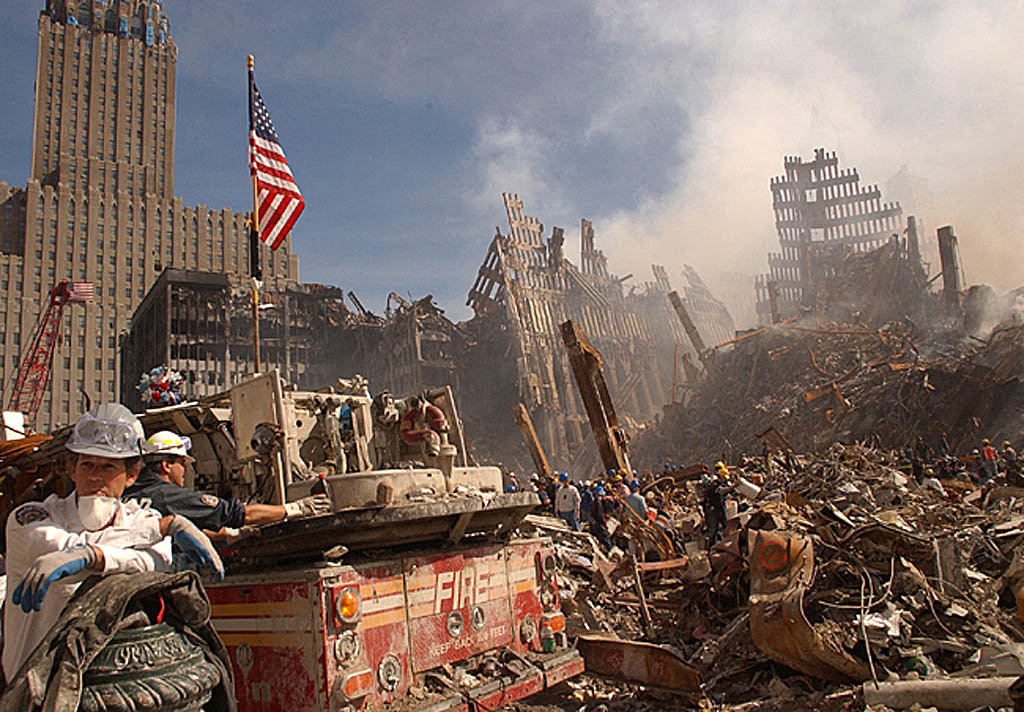
According to the US Department of Homeland Security, as the 20th anniversary of the 9/11 terror attacks approaches, there have been concerns of triggering extremist attacks.
The specter of the attacks in 2001 lingers, serving as a constant reminder. In Washington, for example, the unofficial slogan of the post-9/11 US-“If you see something, say something”-can still be seen on billboards and public transportation. At airports, tightened security measures have made travel more stressful than ever for passengers and reduced their privacy.
About 50 percent of US citizens said they are “extremely concerned” or “very concerned” about the threat to the country posed by extremist groups based outside the US, according to a poll by The Associated Press-NORC Center for Public Affairs Research.
However, about two-thirds of respondents said they are “extremely concerned” or “very concerned” about the threat of extremist groups based in the US.
People’s worries are not unreasonable. There have been terror attacks since 9/11 such as the London terrorist attack on July 7, 2005, leading to 52 deaths and over 700 injuries; the Mumbai bomb attack on July 11, 2006, leading to 209 deaths and over 800 injuries; 2011 Norway attacks leading to 77 deaths; the Nov 13 Paris terrorist attack in 2015 leading to 137 deaths and over 300 injuries; and the New Zealand mosque shooting incident on March 15, 2019, leading to 51 deaths and 50 injuries, etc.
Situation of Muslims in the US worsens
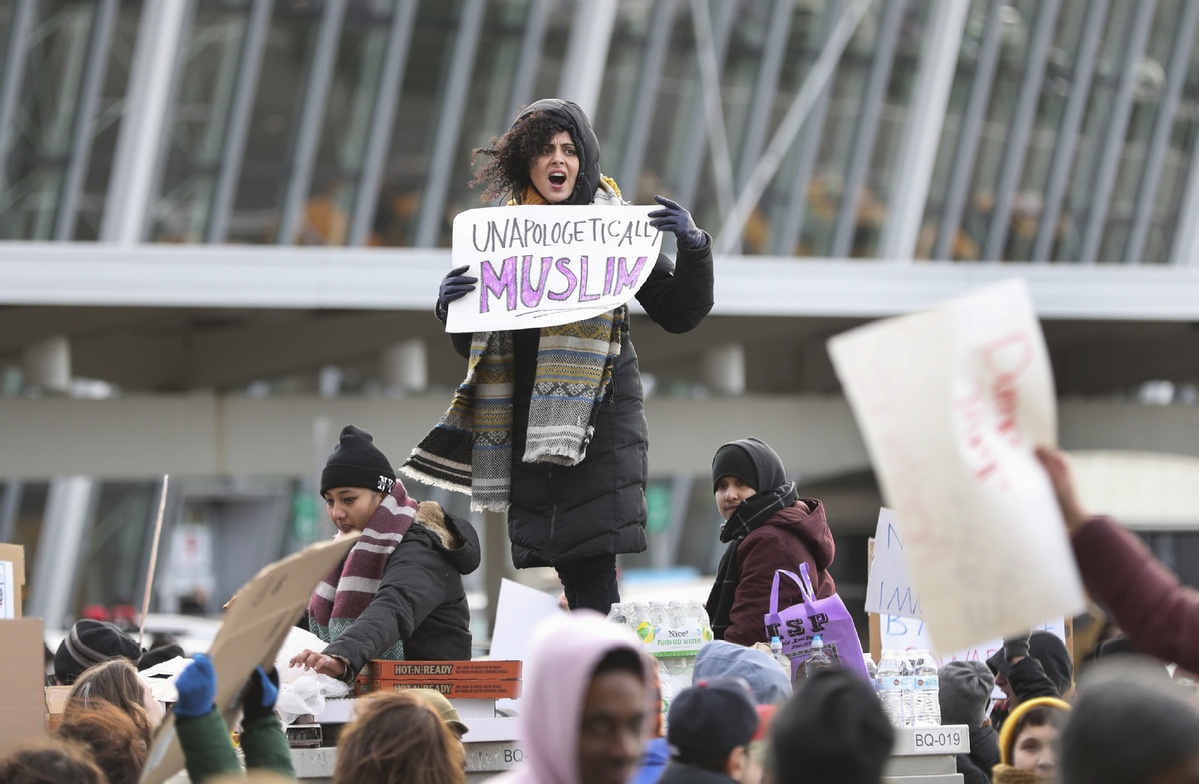
Mistrust of Muslims didn’t start on 9/11, but it dramatically intensified with the attacks. After 9/11, hate crime cases targeting to Muslims in the US have been rapidly increasing. Many American Muslims have grown up under the shadow of 9/11, facing hostility, suspicion, questions about their faith, doubts over their Americanness.
There is “this sense of being Muslim as a kind of important identity marker, regardless of your relationship with Islam as a faith,” says Eman Abdelhadi, a University of Chicago sociologist.
In a survey launched by the Pew Research Center in March 2021, Americans said they believe Muslims are facing “a lot” of discrimination than to say the same about the other religious groups. In 2017, about half of Muslim American adults (48 percent) said they had personally experienced some form of discrimination because of their religion in the previous year.