NAIROBI, Kenya, Nov 10 – The National Biosafety Authority has revealed that seven crops undergoing genetic modification in the country have either advanced to the confined field trial or the environmental release stage.
A confined field trial (CFT) is a controlled experiment that tests the performance of a biotech-derived plant in a field setting to evaluate its performance and suitability for farming.
On the other hand, the environmental release stage refers to the point at which a genetically modified (GM) crop is introduced into the natural environment for the first time outside controlled conditions to examine how the GM crop interacts with the surrounding ecosystem, including soil, other plants, animals, and insects.
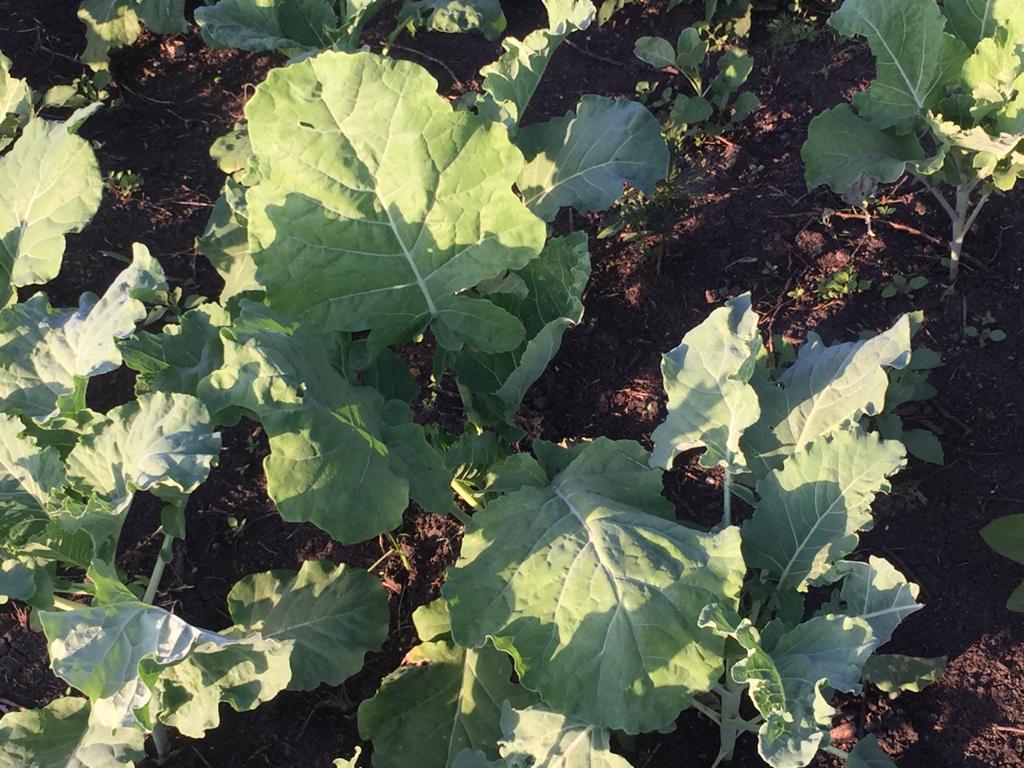
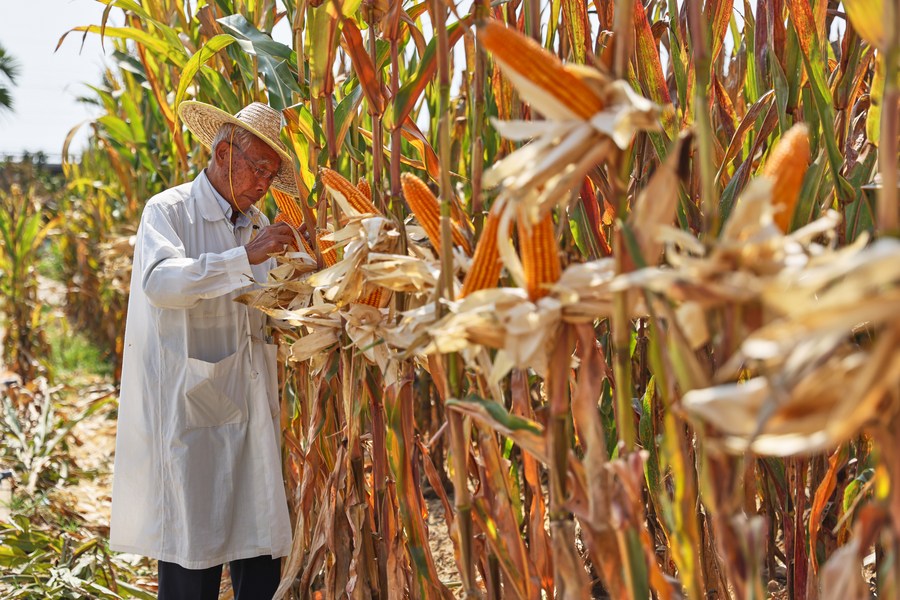
In a report, NBA said that cotton, sweet potato, cassava, Sorghum, maize, banana, and the Gypsophila flower are among crops that advanced to either of the two stages.
“Several crops and animal-related biotechnologies are at different stages of development in Kenya. The listed crops have so far advanced to the confined field trial and/or environmental release stage,” the report stated.
Since 2010, 32 lab/ greenhouse trials, 14 confined field trials, 28 import and transit, and 2 limited open cultivation GMO applications have been approved by the NBA in the country.
These assessments are critical in providing assurance that GMO foods do not cause harm when prepared, used, and/or eaten according to their intended use, “in light of the available scientific knowledge.
“A decision is made regarding whether the GM food is as safe as the conventional counterpart, taking into account the dietary impact of any changes in nutritional content or value,” NBA stated.
GMO crops are plants that have had their DNA altered using genetic engineering techniques.
The goal of genetic modification is to change the characteristics of an organism, such as making it more resistant to pests, diseases, or herbicides.