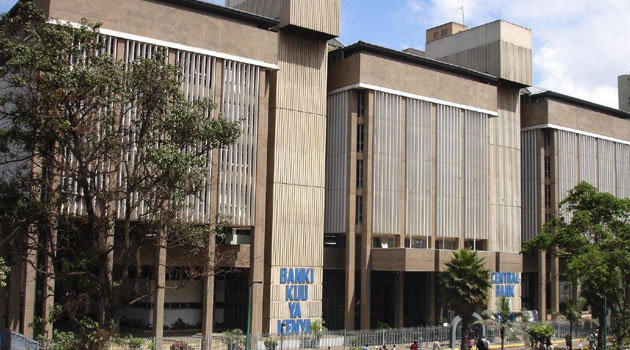
NAIROBI, Kenya, March 30 – The Central Bank of Kenya(CBK) has raised the base lending rate to 9.5 per cent from 8.75 per cent in a bid to tame runaway inflation in the economy.
The increase of 75 basis points signals a higher cost of loans for Kenyan borrowers who are currently grappling with a high cost of living.
“The MPC noted the sustained inflationary pressures, the elevated global risks and their potential impact on the domestic economy, and concluded that there was scope for a further tightening of the monetary policy in order to anchor inflation expectations,” said CBK Governor Patrick Njoroge.
Kenya’s overall inflation increased to 9.2 per cent in February 2023 from 9.0 per cent in January, mainly driven by higher food prices.
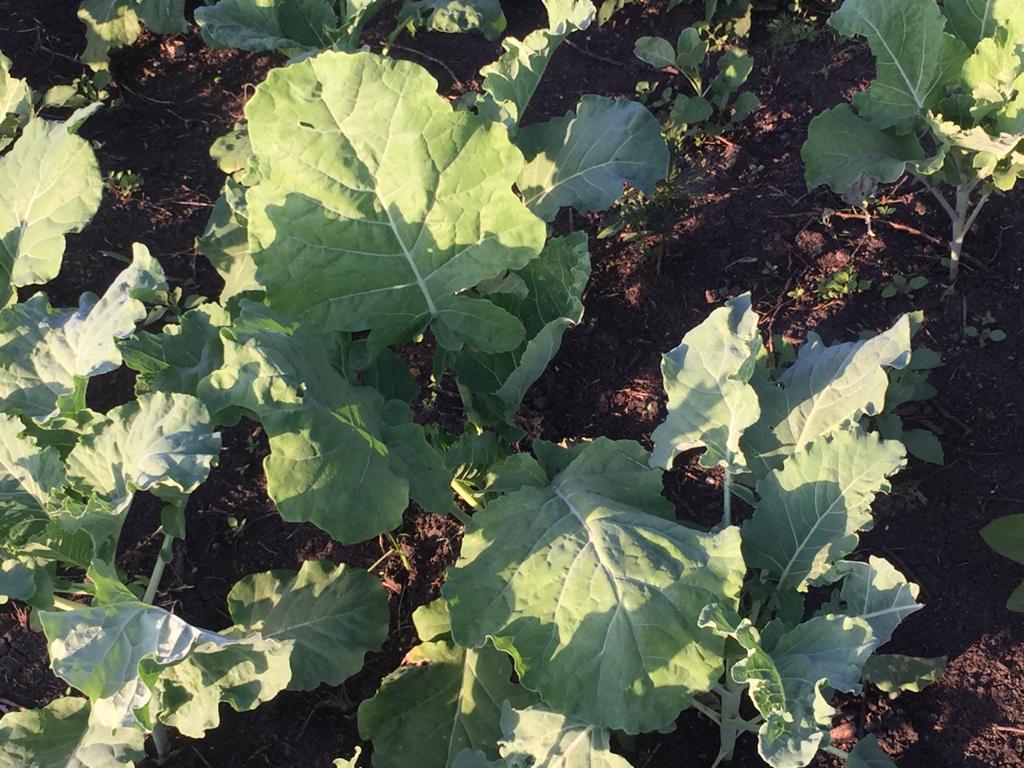
CBK noted that food inflation rose to 13.3 percent in February from 12.8 percent in January, mainly due to increases in the prices of vegetables, attributed to hot and dry weather conditions witnessed in the period.
Additionally, fuel inflation remained elevated at 13.8 percent in February, largely reflecting the scaling down of the fuel subsidy and increases in electricity prices due to higher tariffs.
“Overall inflation is expected to remain elevated in the near term, partly reflecting further increases in electricity prices. Nonetheless, the long rains will moderate food inflation in the coming months,” said CBK.
Leading indicators point to a strong performance of the Kenyan economy in the first quarter of 2023, reflecting robust activity in the services sector particularly wholesale and retail trade, accommodation and food services, education, and information and communication.
Two of the surveys conducted ahead of the MPC meeting, the CEOs Survey and Market Perceptions Survey, revealed tempered optimism about business activity and economic growth prospects for the next 12 months.
Respondents expressed concerns over elevated domestic inflation, the weakening of the Kenya shilling, and high food prices due to prolonged dry weather conditions.
Nonetheless, some respondents remained optimistic due to firm- and sector-specific growth opportunities, the onset of the long rains which was expected to boost agricultural activity and lower food prices in the near term, government measures to strengthen agricultural production, support for businesses through the Hustler Fund, and the resilience of the private sector.
The Survey of the Agriculture Sector conducted in the first half of the month, revealed that prices of some vegetables were expected to increase in the next month.
Additionally, respondents expected the supply of most non-vegetable food items to either increase or remain unchanged on account of the anticipated long rains season.
Nevertheless, respondents identified high input costs, unpredictable weather conditions, as well as transport costs as the major factors constraining agricultural production.
According to the CBK, The banking sector remains stable and resilient, with strong liquidity and capital adequacy ratios.
The ratio of gross non-performing loans (NPLs) to gross loans stood at 14.0 per cent in February 2023, compared to 13.3 per cent in December 2022.
Further, growth in private sector credit stood at 11.7 per cent in February 2023 compared to 12.7 per cent in December 2022.
“The Committee will closely monitor the impact of the policy measures, as well as developments in the global and domestic economy, and stands ready to take additional measures, as necessary,” said Njoroge.
Njoroge added that the Committee will meet again in May 2023, but remains ready to re-convene earlier if necessary.