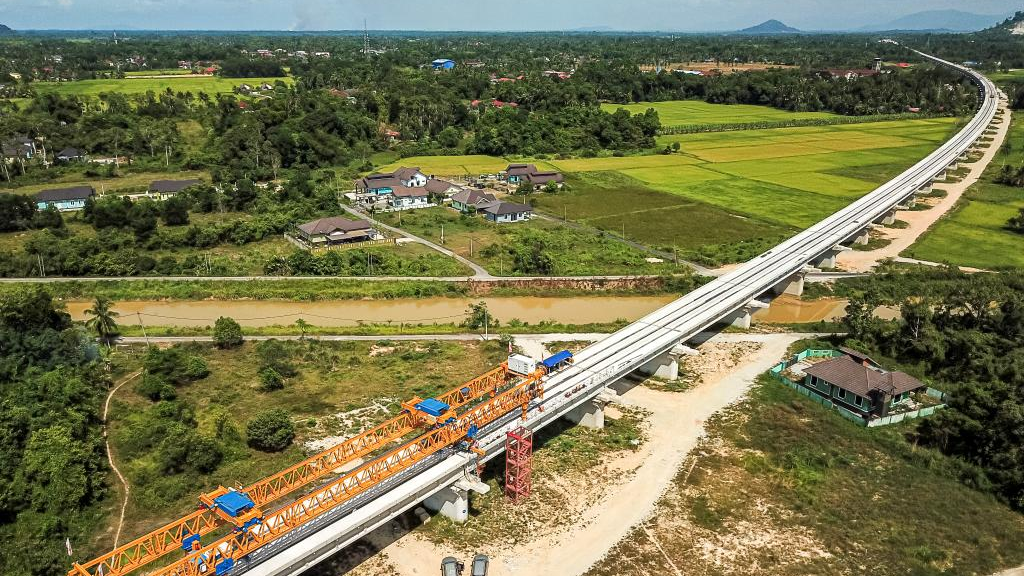
BEIJING, June 9 (Xinhua) — China hopes the United States will contribute real money to and do something concrete for the development and revitalization of Africa, a Chinese foreign ministry spokesperson said on Friday.
Spokesperson Mao Ning made the remarks at a regular press briefing when asked to comment on U.S. President Joe Biden’s negative comments on the Belt and Road Initiative (BRI).
Mao said the people of the BRI participating countries have the best say on the initiative. China has signed in excess of 200 Belt and Road cooperation documents with more than 150 countries and over 30 international organizations since the initiative was put forward over a decade ago.
She noted that Belt and Road cooperation has brought tangible benefits to the people of participating countries and has been widely welcomed by the international community.
Africa is one of the regions actively participating in the Belt and Road cooperation, Mao said.
Thanks to the Belt and Road, many African countries have built their first highways, first sea bridges and first industrial parks, and Africa has seen the construction of its first disease control center with complete facilities, covering the whole continent, she added.”It is easy to criticize others in doing something, but the hard part is doing it better than others,” Mao said.
“We hope the United States will contribute real money to and do something concrete for the development and revitalization of Africa,” Mao said.