
NAIROBI, Kenya, Mar 29 – Davis and Shirtliff has urged development partners and governments to escalate investment in water projects in drought-prone regions of Kenya to prevent conflicts and foster peaceful coexistence among communities.
The firm stated that collaboration between the public and private sectors will continue to play a crucial role in ending extreme poverty, often leading to conflict in arid and semi-arid areas of the country as well as other parts of Africa.
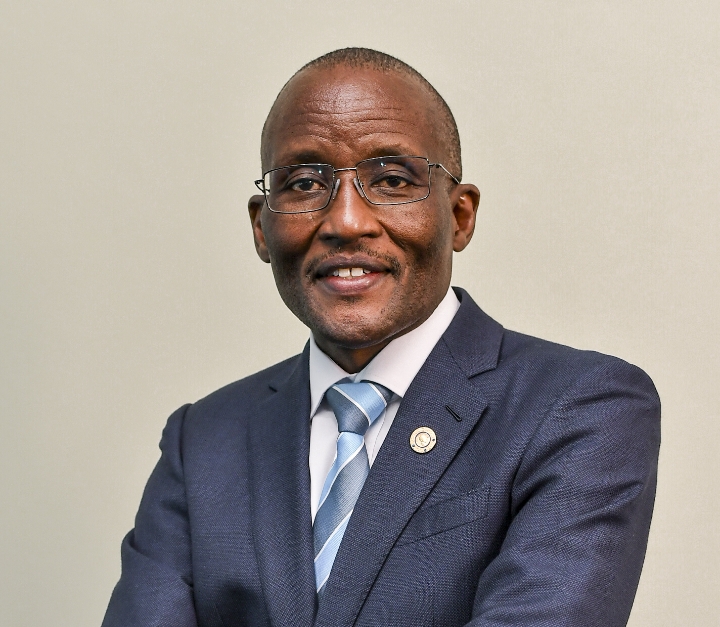
The Group CEO, George Mbugua,said the partnership will also help achieve sustainable development through technology, food security, climate change response, and the improvement of livelihoods through job creation and economic activities.
“Counties in Arid and Semi-Arid Areas (ASALs) often experience perennial conflict occasioned by the absence or scarcity of this precious resource. However with investments in key water infrastructure and effective management, water will serve as the ultimate pathway for prevention of conflict, peace building and economic success,” said Mbugua.
He further stated that targeted mapping of all water infrastructure and the deployment of necessary infrastructure technology will move communities from rain-fed agriculture, which will boost food security.
“Even during rainy seasons, we know that in no time the water comes and goes leaving communities in arid and semi-arid regions back to the drawing board. But with the globally decreasing cost of solar PV modules and recent technological advances, solar installations are becoming increasingly popular for remote sites in Kenya and beyond, helping expand water access in every part of the country,” he added.
In 2023, through the Improving Lives initiative, the company implemented 46 sustainable water projects impacting over 210,000 individuals in West Pokot, Marsabit, Turkana, Samburu, Taita Taveta, and Kajiado Counties.
The group’s initiative has so far reached more than 1.2 million people across Kenya and other parts of Africa.
According to the 2023 State of Africa Environment report, compiled by India’s Centre for Science and Environment in collaboration with Kenya’s Media for Environment, Science, Health, and Agriculture (MESHA), critical water basins across Africa are depleting due to unsustainable usage, becoming focal points for water competition and conflicts.
The report further warns that if the decline in natural capital, such as water basins, continues, approximately 1.5 billion Africans could face food insecurity by 2030.Another 1.2 billion people will also be exposed to water pollution, heightening tensions between countries and communities that share water resources.
“More than 3 billion people worldwide depend on water that crosses national borders. Yet, out of 153 countries that share rivers, lakes, and aquifers with their neighbors, only 24 countries report having cooperation agreements for all their shared water,” noted Mbugua.