
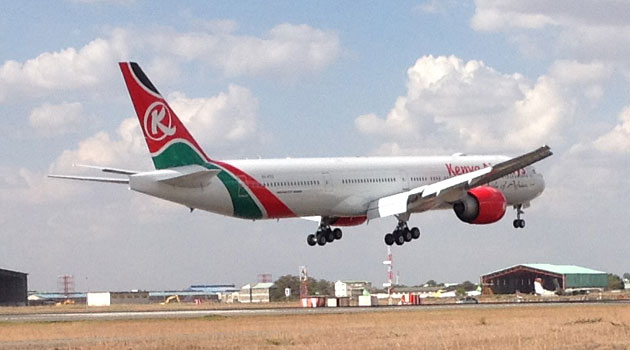
NAIROBI, Kenya, Jan 13 – The government has renewed its commitment to modernising Jomo Kenyatta International Airport (JKIA), signalling that long-delayed expansion plans are back on track as Kenya faces growing competition from its neighbours.
President William Ruto recently restated the importance of upgrading JKIA, calling it key to Kenya’s ambition of remaining the leading aviation, business and diplomatic hub in East and Central Africa.
His remarks are being read as a clear signal that airport modernisation is once again a national priority.
The renewed push comes at a time when regional rivals are moving fast. Ethiopia has already opened a new international airport, while Rwanda is building the Bugesera International Airport in partnership with Qatar.
These projects are increasing competition for passengers, cargo, investment and global attention.
With the policy direction now clear, attention is turning to the Kenya Airports Authority (KAA), the agency responsible for delivering the JKIA upgrade.
Analysts say the government’s message leaves little doubt about what needs to be done.
The key question now is execution.
This includes setting clear timelines, securing financing, and showing visible progress at the airport.
KAA is expected to lead coordination between government, airlines, investors and development partners.
Its role will be critical in ensuring the expansion meets future needs for passenger traffic, cargo handling and security.
Boost for tourism, trade and diplomacy
A modern and efficient JKIA is widely seen as vital for Kenya’s economy.
Airports play a major role in shaping airline routes, travel experience and cargo movement, all of which affect tourism, trade and investment.
Tourism players say renewed momentum on JKIA sends a positive signal to long-haul airlines and high-spending visitors.
Business leaders add that clarity on airport expansion strengthens Nairobi’s position as a preferred base for regional and international companies.
With confidence in JKIA’s future, investors can plan better, reinforcing air connectivity as a key driver of economic growth.
JKIA is also central to Nairobi’s role as a major diplomatic and conferencing hub.
Large international meetings depend on airports that can handle heavy traffic, official delegations and tight schedules.
Kenya hosts the largest United Nations presence in Africa, a status that brings economic and global influence.
Continued investment in aviation infrastructure is therefore essential to maintaining this position.
The government’s renewed commitment to JKIA is seen as strengthening Kenya’s image as a reliable host for international organisations and global events.
While Ethiopia and Rwanda have already moved from planning to construction, Kenya’s renewed focus shows determination not to fall behind.
Industry experts say that with strong political backing, KAA can still secure Kenya’s hub status but time is running out.
The opportunity remains open, but it will require fast, clear and effective action.
The return of JKIA modernisation to the national agenda marks an important reset. What matters now is turning promises into real work on the ground.
For Kenya, the stakes are high.
A modern JKIA is critical for tourism growth, business competitiveness and diplomatic influence.
With the government’s vision now clearly stated, the responsibility lies with KAA to move quickly and ensure Kenya’s main gateway keeps pace with its regional ambitions.