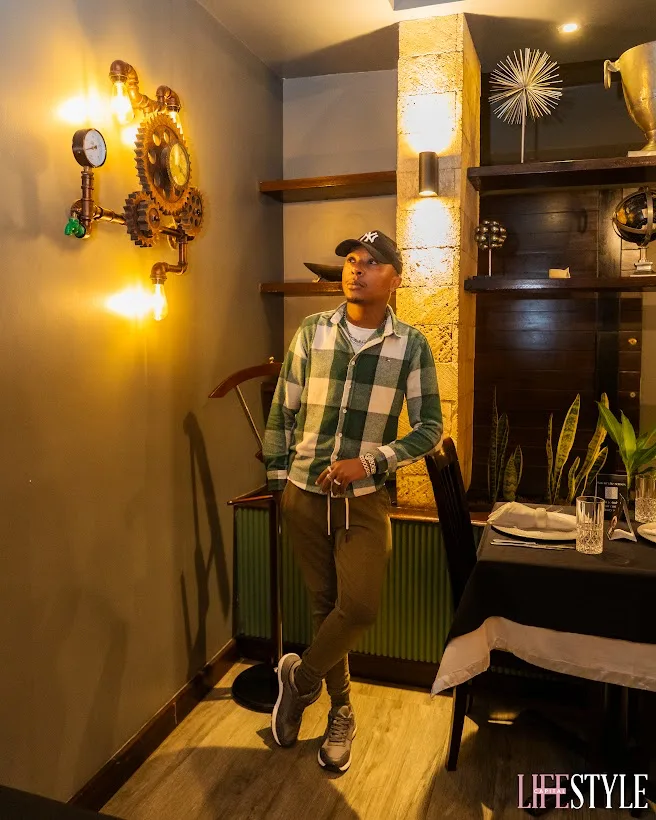
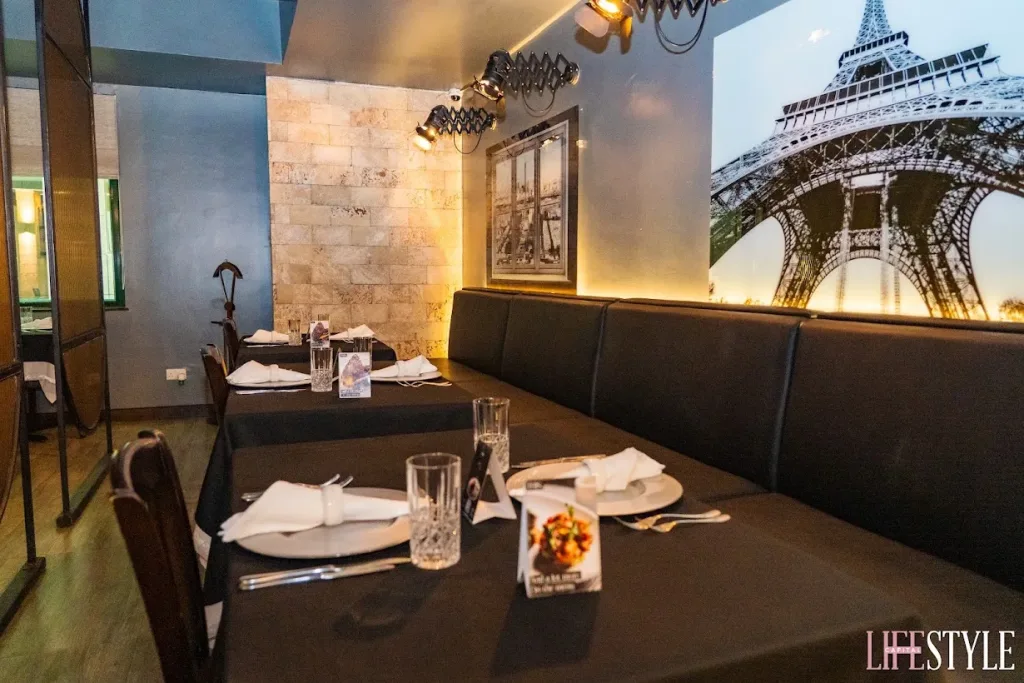
When diners step through the doors of a restaurant, their culinary journey rarely begins with the first bite. Long before a fork touches a plate, an unspoken dialogue unfolds between the guest and their surroundings—the hum of the room, the scent drifting from the kitchen, the play of light across textured walls.
For the mind behind Five Senses, this multi-sensory immersion is the entire point. Capital Lifestyle visited the intimate culinary hub tucked in the heart of Kilimani – at Galana Plaza – and got up close and candid with the CEO and mastermind behind the restaurant, Chef Kim Kiarie, a classically trained chef and one of the pioneering faces of gastronomic experiences in Kenya hitherto.
“When you enter a restaurant, you first see the space, hear the atmosphere, smell what is coming from the kitchen, feel the textures around you and finally taste the food. I wanted to create a restaurant where all five senses are deliberately considered. By the time you leave, you should feel that you have experienced something—not simply eaten a meal,” shares Kiarie.
Five Senses has carved out a distinct niche in the local culinary landscape. Nonetheless, achieving that vision meant tearing down preconceived notions of what fine dining in East Africa looks like, sounds like, and tastes like. Shattering the status quo, if you may.
The Architecture of Memory
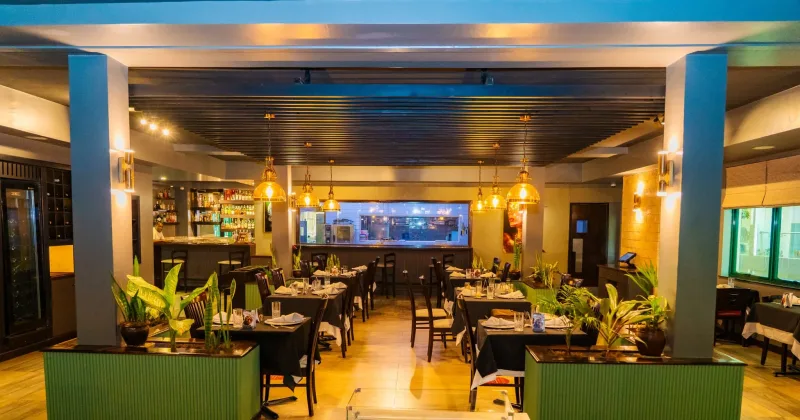
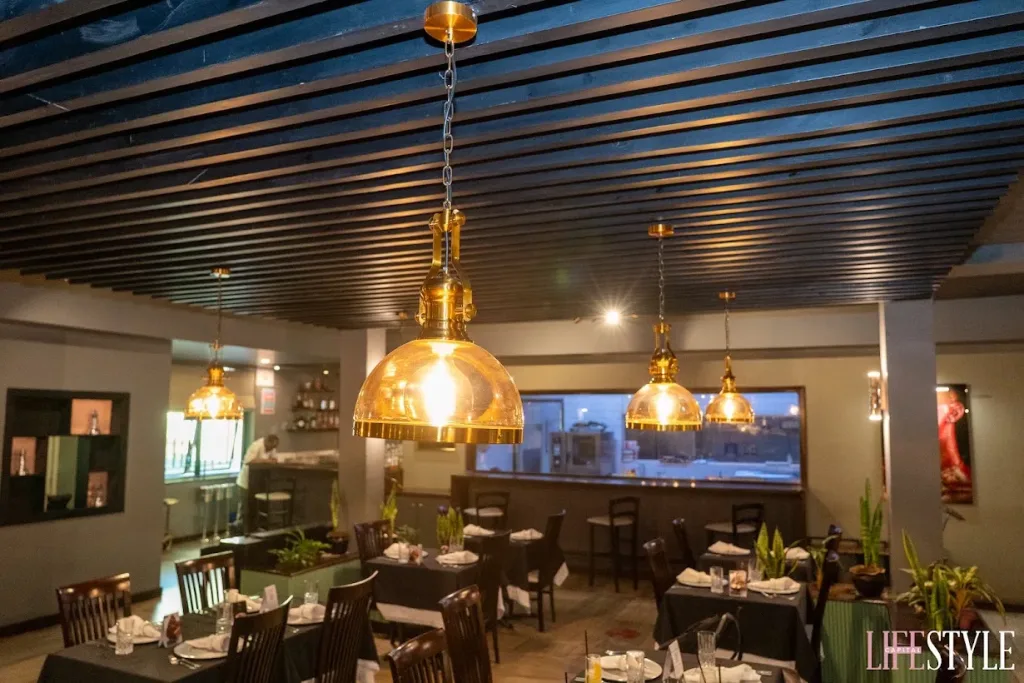
Morphing a standard commercial space into an intimate sanctuary was no small feat. Chef Kim reckons the biggest hurdle in the early days was stripping away the sterile, corporate feel of the building to cultivate warmth and discovery.
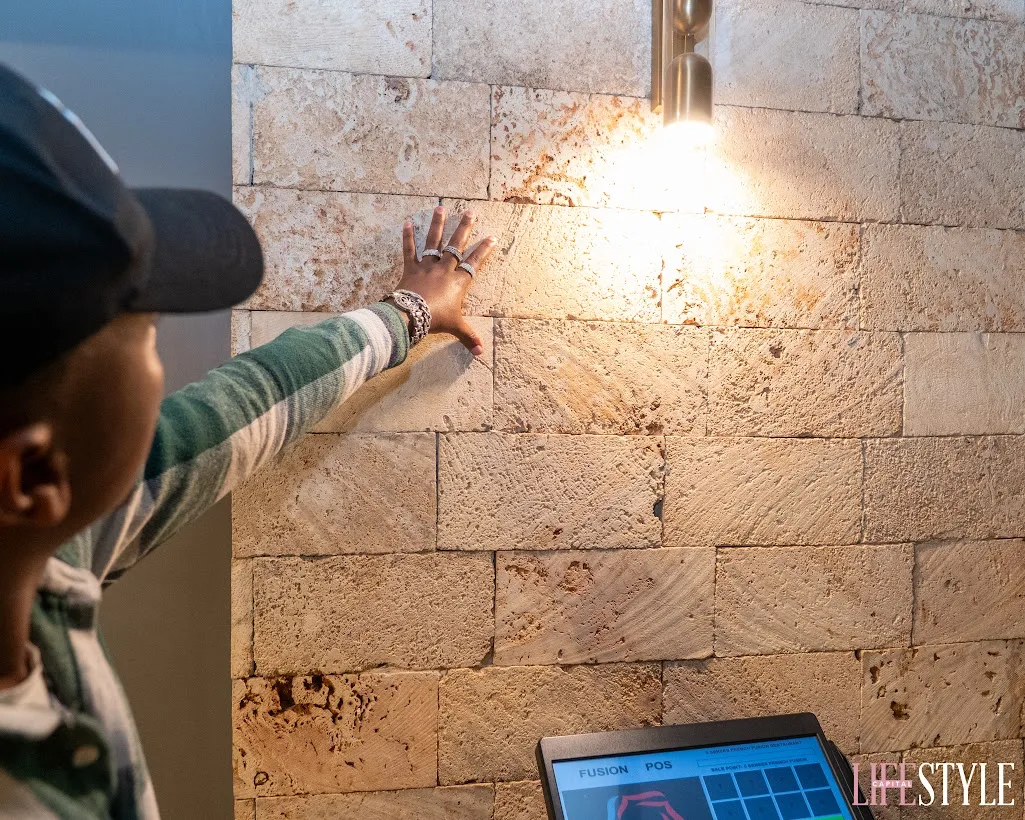
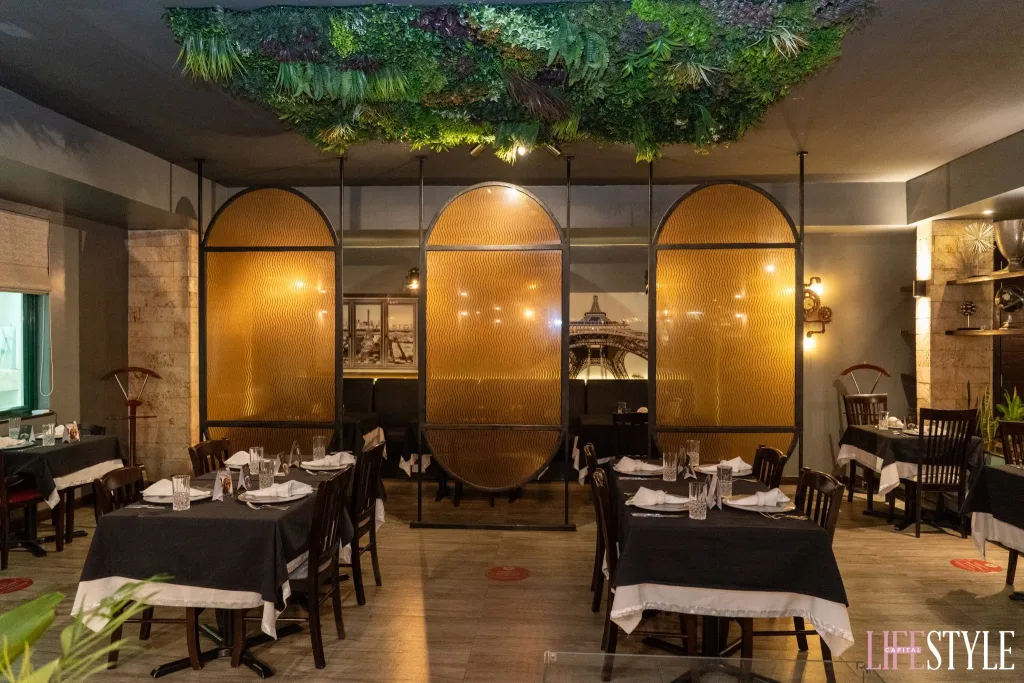
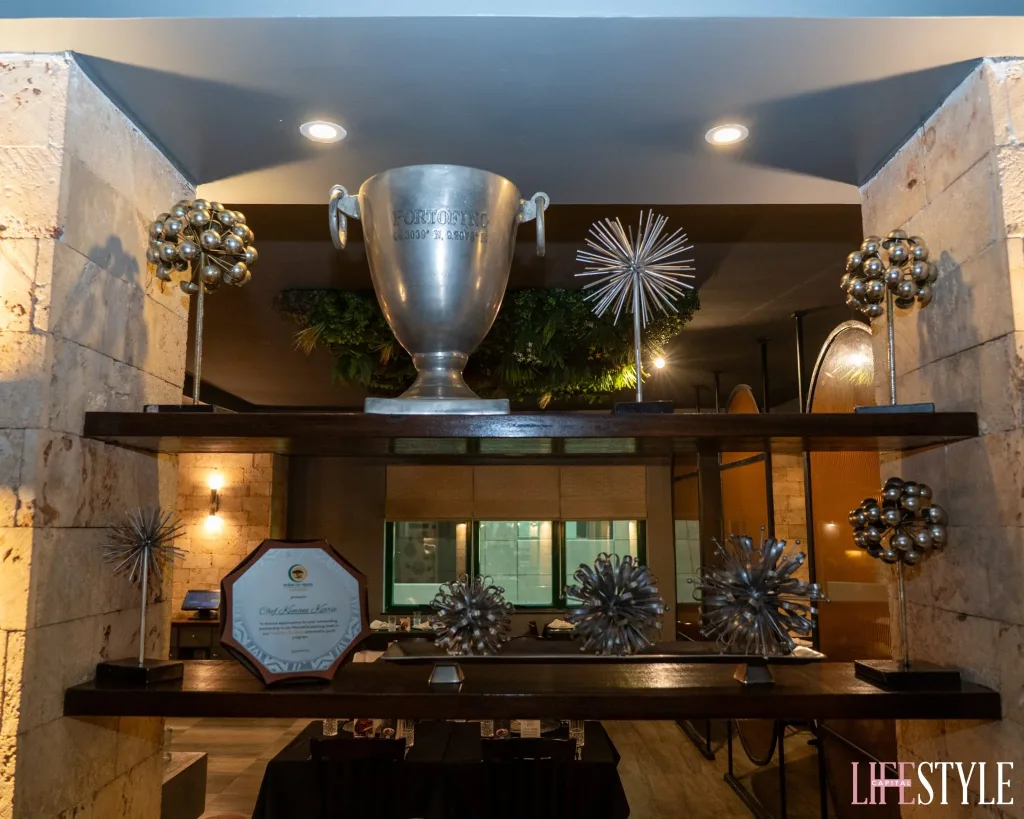
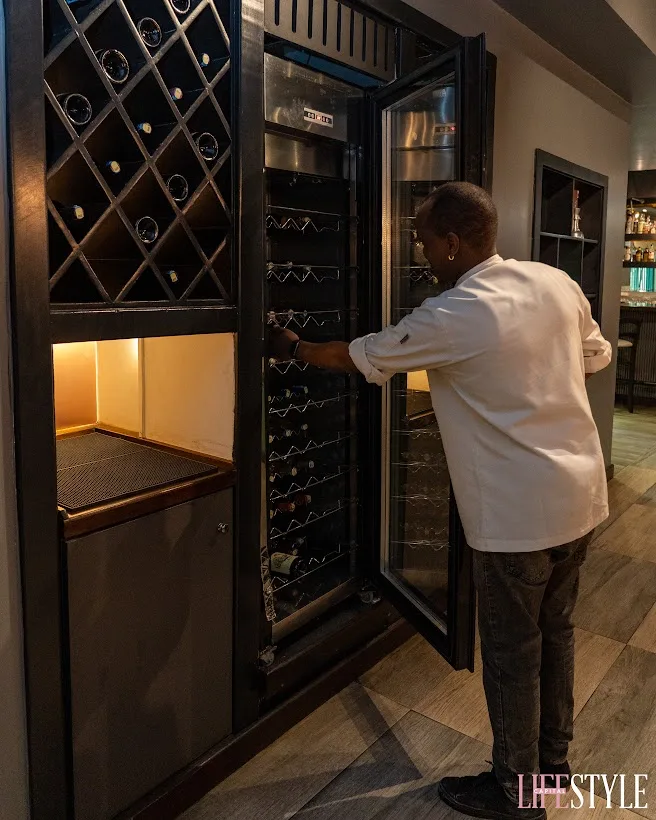
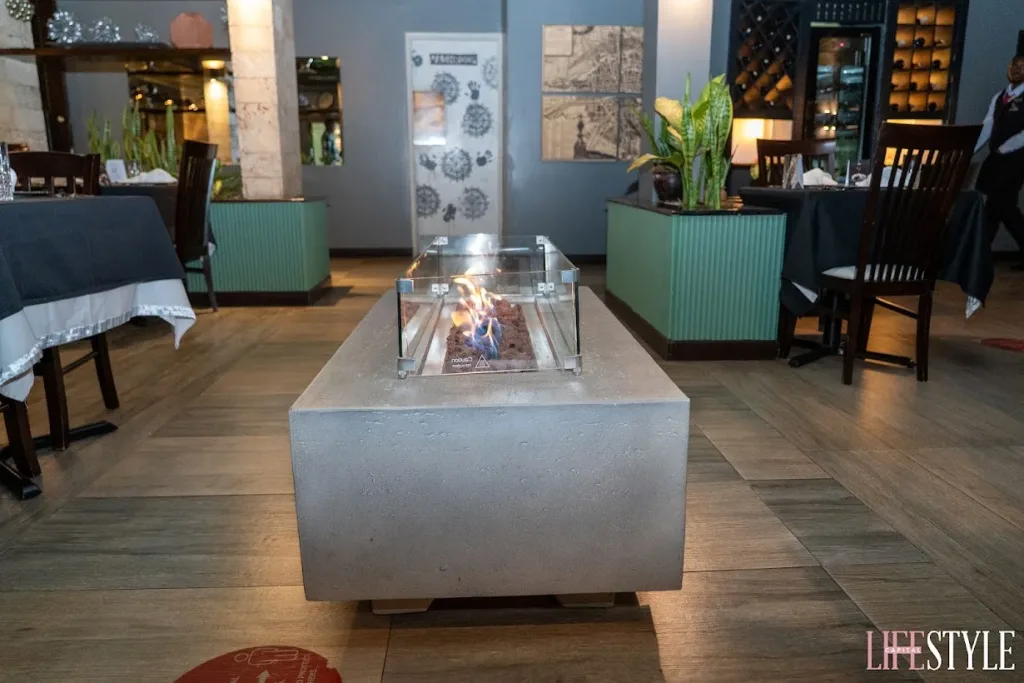
The solution lay in tactile storytelling. Coral stone pillars were introduced to anchor the room with an organic, earthy character, while an indoor pergola creates the illusion of dining within a protected, garden-like enclosure. The interplay of stone, wood, fabric, and glass ensures that guests interact with the restaurant’s philosophy even before the menu arrives.
Acoustics were engineered with equal precision. By balancing table layouts and integrating soft, sound-absorbing materials, the space maintains a buzzing, vibrant atmosphere without sacrificing conversational intimacy.
Kenyan Roots, French Execution
What truly sets the establishment apart is its delicate balancing act between classical discipline and local heritage. Trained in the rigorous traditions of French kitchens, Chef Kim refuses to let classical technique lead to the erasure of local identity.
“My classical training is French, but my memories and ingredients are Kenyan. At Five Senses, you may encounter ugali, matumbo, kienyeji chicken or indigenous vegetables, but presented through a different lens. French cooking gave me discipline: how to build sauces, develop flavour, control temperature and respect ingredients. Kenya gives me the soul of the food.”
“We are also very intentional about storytelling. A dish should not be complicated simply for the sake of looking impressive. It should have a reason for being on the plate, and it should create a feeling or bring back a memory,” he adds.
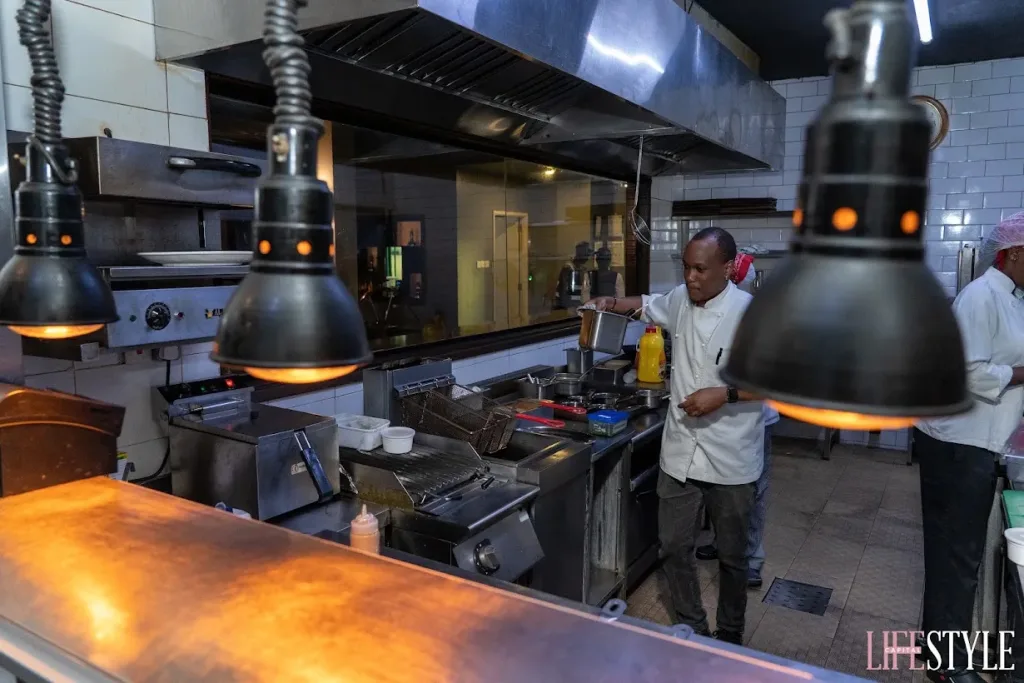
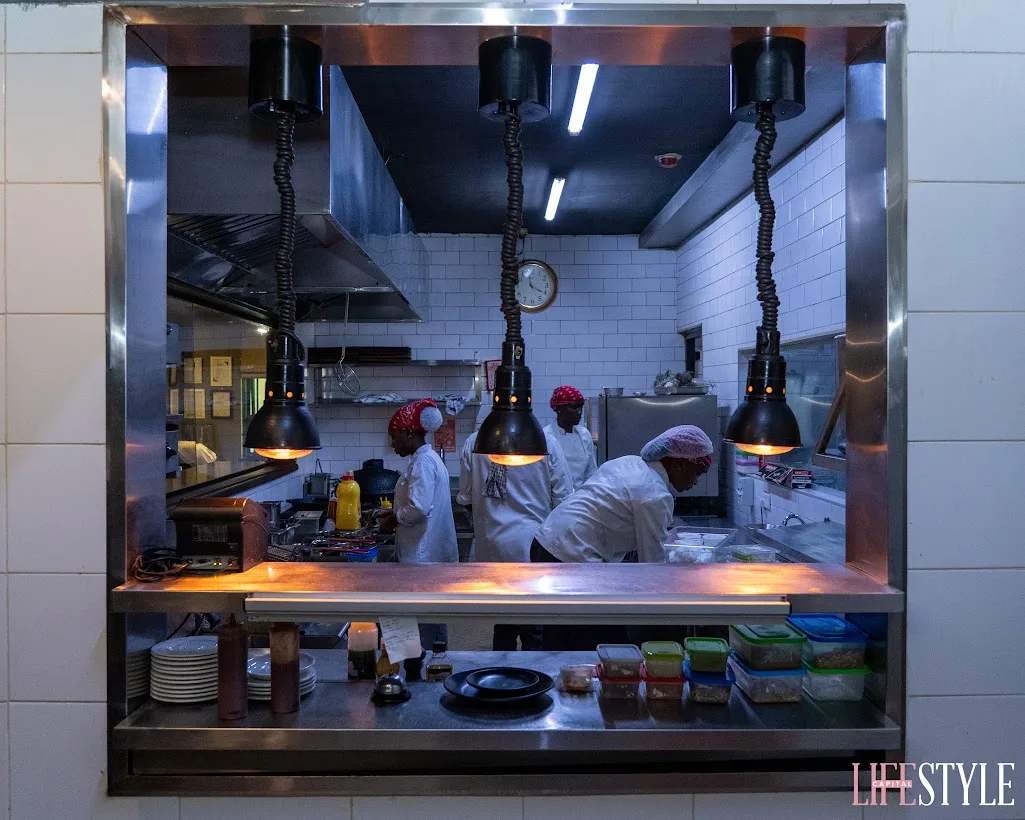
Inset: Chef Kim and his team cooking up a storm
This philosophy breathes new life into everyday ingredients. Familiar staples like matumbo and mayai pasua—long relegated to casual settings—are elevated not to sanitize them, but to honor their emotional weight. Through careful re-engineering of technique and presentation, the kitchen reminds diners that true luxury is deeply intertwined with memory and familiarity.
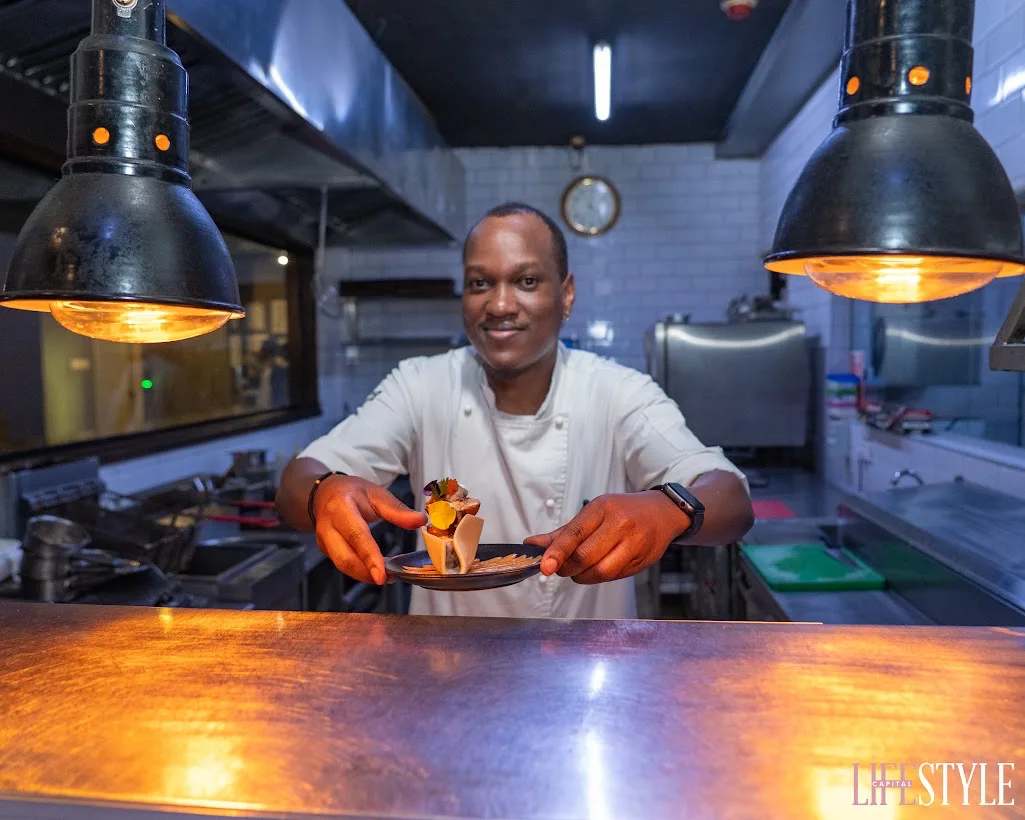
Inset: Chef Kim flaunts one of his freshly made glorious food creations
Menus are never overhauled simply because a calendar page turns. Instead, curation relies on seasonality, supplier relationships, and storytelling.
“A dish should not be complicated simply for the sake of looking impressive. It should have a reason for being on the plate, and it should create a feeling or bring back a memory,” says Chef Kim.
Curating the Rhythm of Hospitality
Running a restaurant of this calibre requires a delicate dance between executive leadership and hands-on artistry. For Chef Kim, a typical day begins well before the doors open—combing through reservations, inspecting produce deliveries, and coordinating with a service team trained to value curiosity and emotional intelligence above all else.
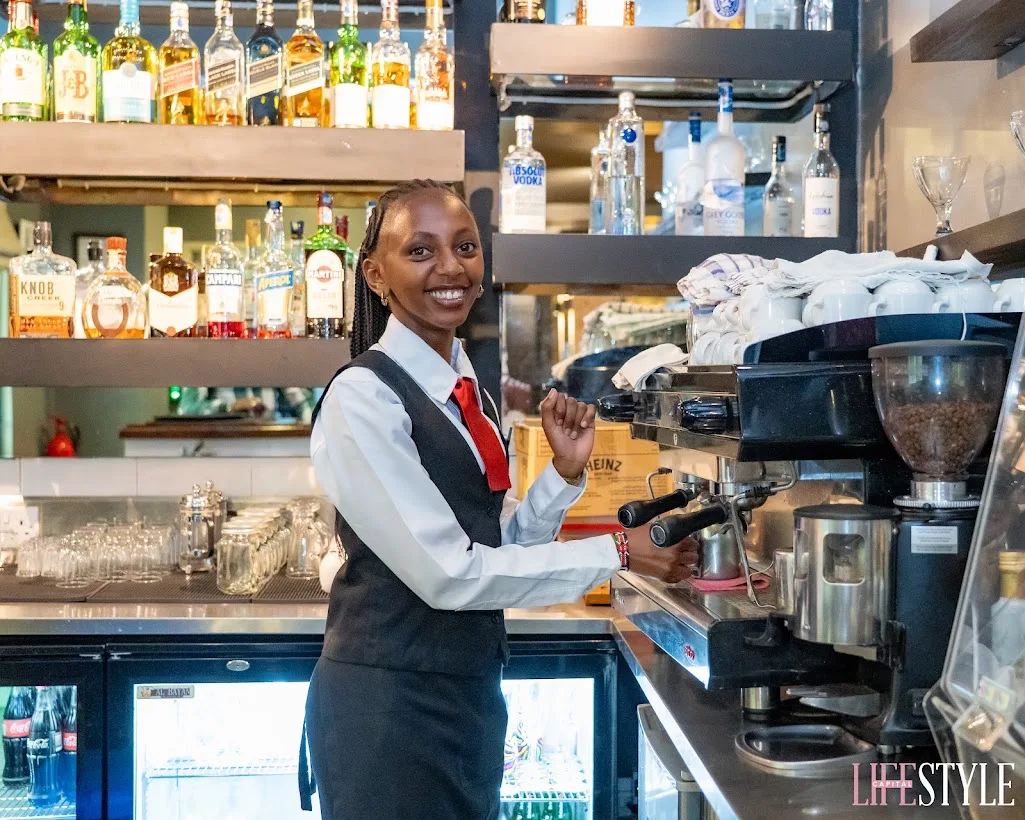
On how he approaches the hiring of his staff, he says: “Skills can be taught, but attitude, warmth and curiosity are much harder to teach. Our service should be knowledgeable without being intimidating. Once they understand why a dish exists, they can communicate it naturally and become part of the experience.”
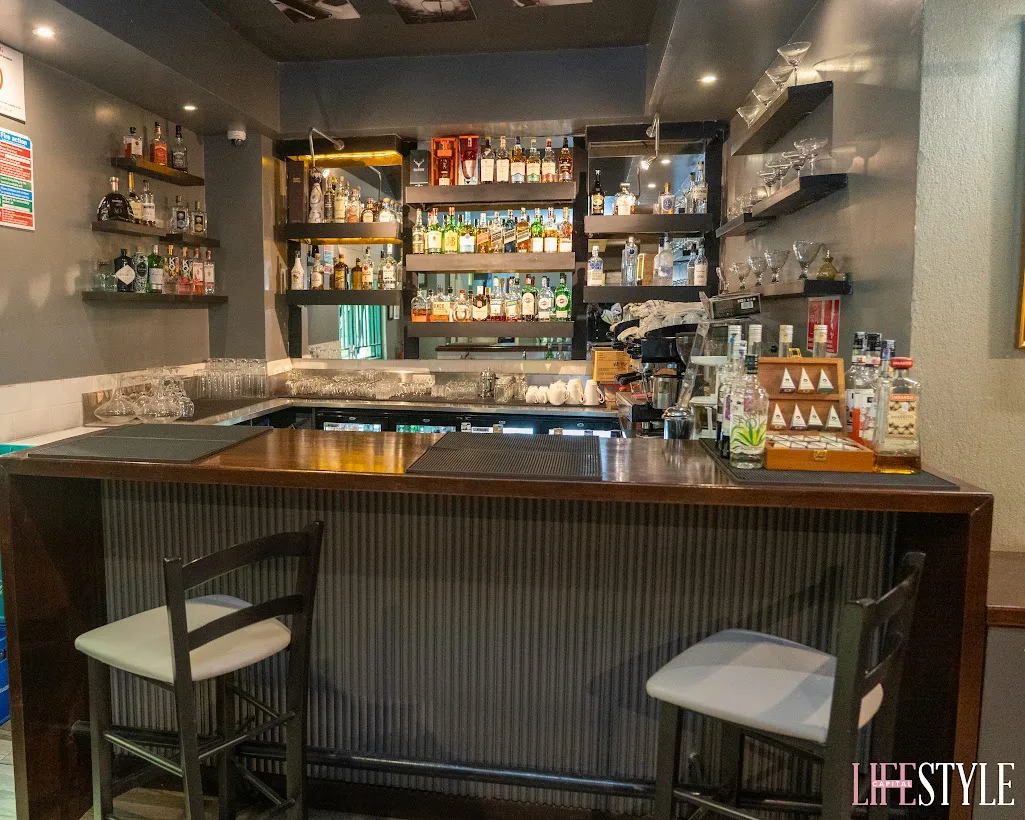
Throughout the week, that experience shifts shape. From business and coffee sessions to wine-pairing evenings, live jazz, meat-focused Fridays, and relaxed Saturday platters, the restaurant evolves alongside its patrons.
Looking Inward, Looking Forward
As the philosophy matures, the focus has shifted from proving technical prowess to deepening identity and meaning. While expansion beyond Kilimani is on the horizon, growth remains secondary to integrity. Through experimental extensions like destination dining and The Nomad Table, the brand is already finding ways to take its ethos into farms, wild spaces, and open air.
Ultimately, the long-term legacy of Five Senses reaches far beyond the walls of a single dining room.
“I would like Five Senses to help change the way we value Kenyan food and ingredients. I want young African chefs to understand that they do not have to abandon their identity to cook at an international level. Our ingredients, childhood memories and traditional foods belong in the finest dining rooms when handled with respect, skill and confidence,” assures Kiarie.
King Bee Kiragu is the quintessential man-about-town and a lifestyle connoisseur. Stylish and tapped in, he stays abreast of all things pop culture and entertainment. He has a keen eye for the good life, high-end aesthetics and travel.