NAIROBI, Kenya Sept 18 – Sector players in the Jua Kali Industry have urged the government to ensure that Technical Vocational Education and Training Institutes (TVETs) are well and technologically equipped with modern equipment to meet international standards.
The stakeholders in the sector stated that the industry should be adequately resourced with cutting-edge technology and staffed by instructors who possess both the technical expertise and the ability to impart relevant, industry-specific knowledge.
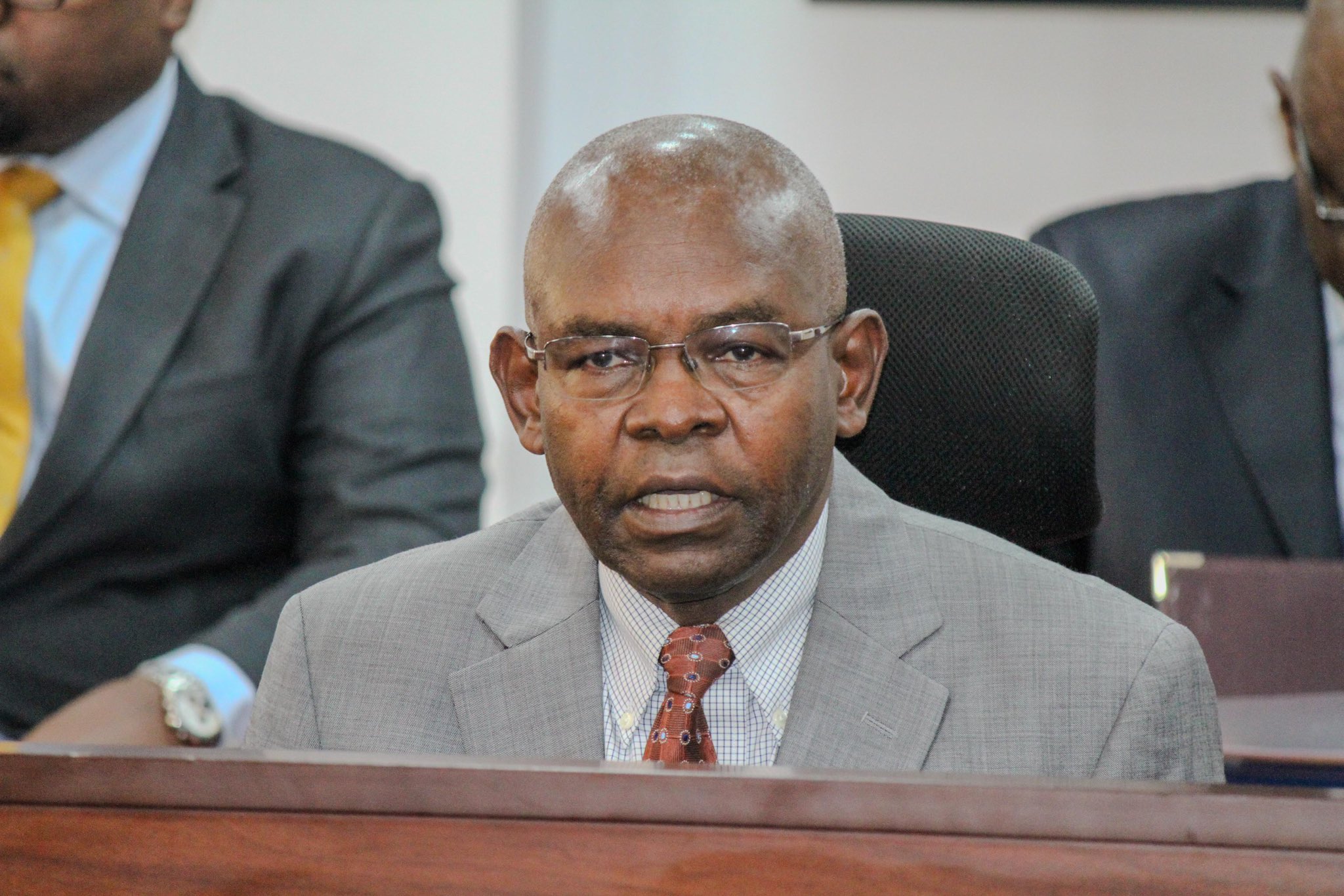
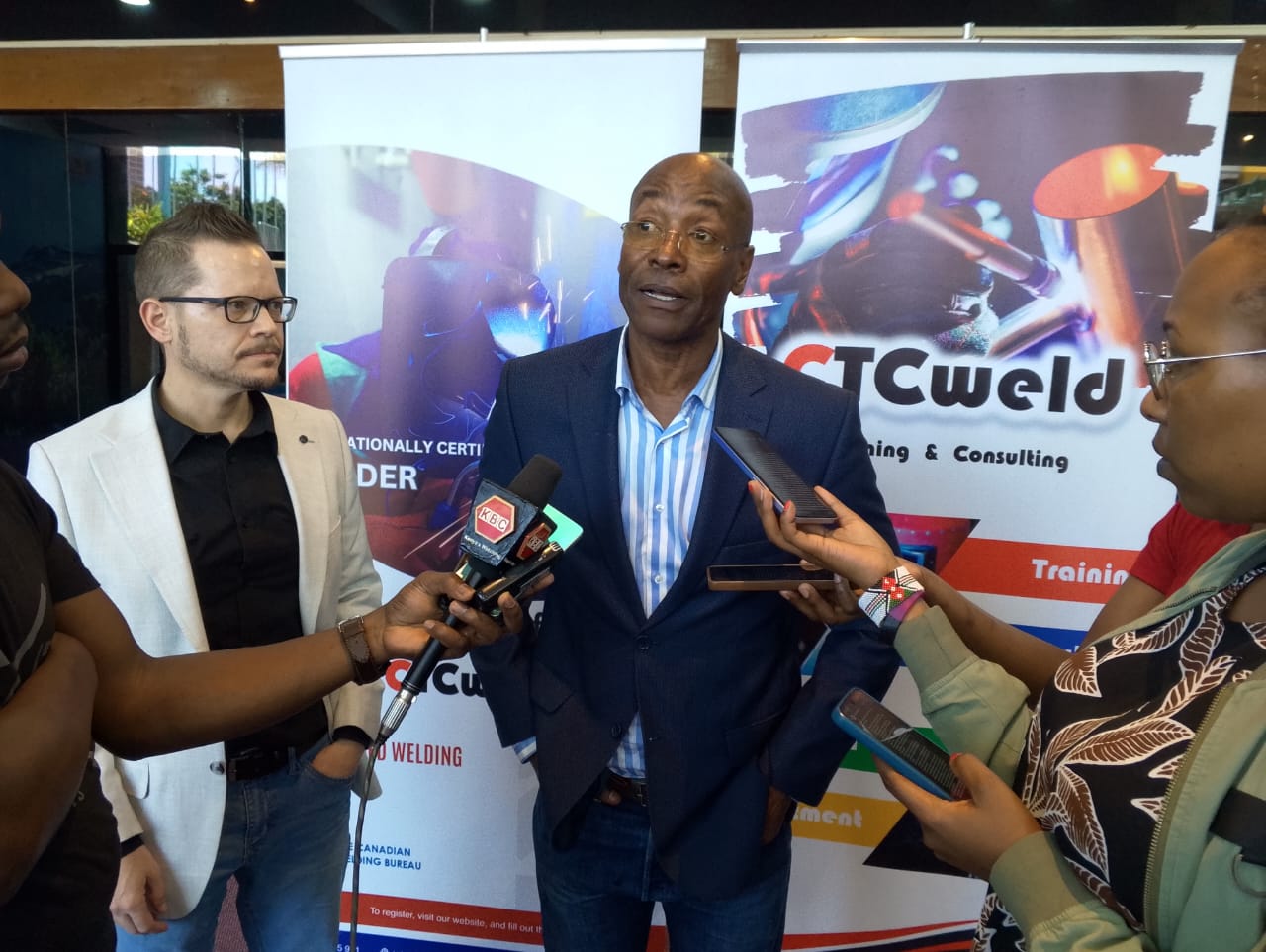
Speaking at the International Job Fair for Welders held at the Kenyatta International Convention Centre (KICC) in Nairobi, Stephen Lyoba, founder and Chief Executive Officer of the East African Institute of Welding, highlighted the financial challenges that plague the industry.
He stated that despite the industry potential for economic growth, the sector is held back by a significant skills gap, limited resources, and the lack of internationally recognised standards that restrict the growth of local welders, creating barriers to their participation in the global workforce.
According to Lyoba, the majority of TVET institutions offering critical courses, including welding, are underequipped and lack the necessary tools needed for training students.
“Welding is very expensive in terms of the cost incurred in procuring equipment. This makes it difficult for many TVET institutions to acquire the necessary tools. As a result, this reflects in students’ performance, leaving many Kenyan welders under-skilled and failing to meet international standards,” said Lyoba.
He highlighted the need for a formalized system of training, certification, and industry standards.
“The welding industry in developing regions, particularly Kenya, faces considerable challenges due to a lack of formal education, standardized training, and proper regulation,” he added.
Lyoba noted that the majority of welding training is offered in the informer sector, where young people often turn to local shops for training, spending only a few months under the guidance of self-taught welders.
Ronny Friedl, CEO of CTCWeld, a global training and consulting company, added that a lack of standardised education results in a significant disparity between local and global qualifications to access the job market.
“You may be a welder here in Kenya, but if you go to countries like Europe or the Middle East, you will not be recognized as a welder. I’ve seen companies that don’t even know how to set a welding machine correctly. The core challenge is knowledge. Without it, you have a quality issue, and when quality is not met, accidents are inevitable,” he stated.
According to the Kenya Economic Survey report 2022, the Jua Kali sector contributed 25 percent of the country’s GDP.