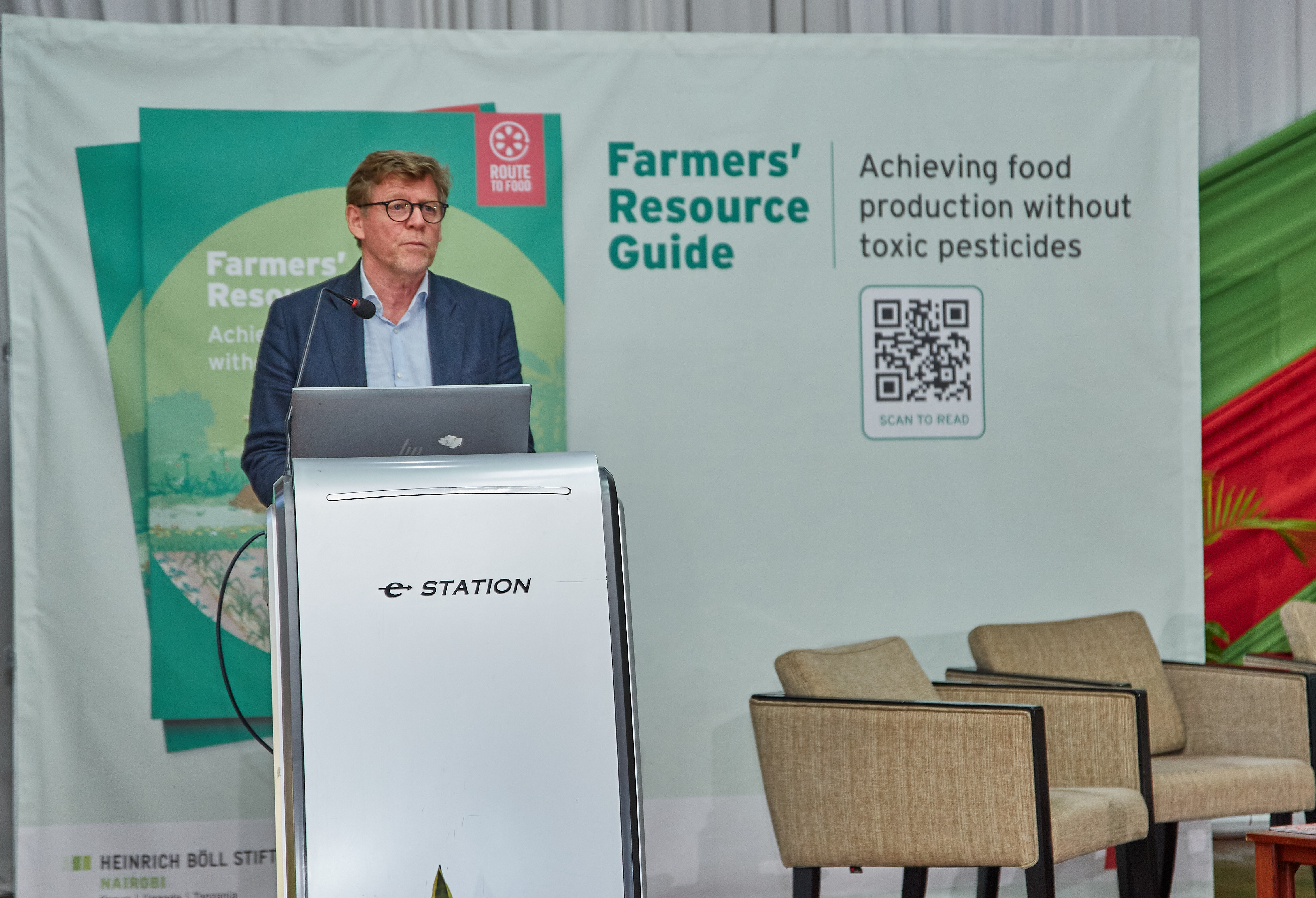
NAIROBI, Kenya, Dec 9 – The Route to Food Initiative (RTFI) has introduced Kenya’s first-ever Farmers Resource Guide on alternatives to Highly Hazardous Pesticides (HHPs) to promote sustainable and pesticide-free farming practices.
This comes after findings from the 2023 report on the Toxic Business of Highly Hazardous Pesticides (HHPs) in Kenya, which revealed that 76 percent of pesticides used in Kenya are classified as highly hazardous, posing severe health and environmental risks.
The guide, developed by the Route to Food Initiative (RTFI) under the Heinrich Boll Foundation, aims to empower farmers of all levels with practical solutions for producing healthy, nutritious food without the use of HHPs.
Joachim Paul, Director of the Heinrich Böll Foundation in Nairobi, highlighted the critical need to transition away from HHPs.
“Food production systems that rely heavily on pesticides harm the environment and pose serious health risks to farmers, their families, and consumers. This guide proves that farming without toxic pesticides is not only possible but practical,” he said.
Dr. Harun Warui, Lead Programme Coordinator for Food Rights and Agroecology at the Heinrich Böll Foundation, lauded the decision made by Kenya’s Pest Control Products Board (PCPB) to ban certain hazardous pesticides by the end of 2024, a move that was supported by many farmers, consumers, and NGOs.
Dr. Silke Bollmohr, co-author and lead scientist of the guide, emphasised the need for a global alignment in pesticide policy.
“Many pesticides banned in their countries of origin are still used in Kenya. This guide shows farmers that safe and effective alternatives are readily available,” Bollmohr noted.
The guide draws from the experiences of local farmers who have successfully adopted agroecological methods. Organic farmer and co-author Sylvia Kuria shared her experience of cultivating without harmful chemicals.
“The notion that farming without pesticides will lead to food shortages is a myth. I’ve farmed organically for years and witnessed firsthand how effective it can be,” she said.
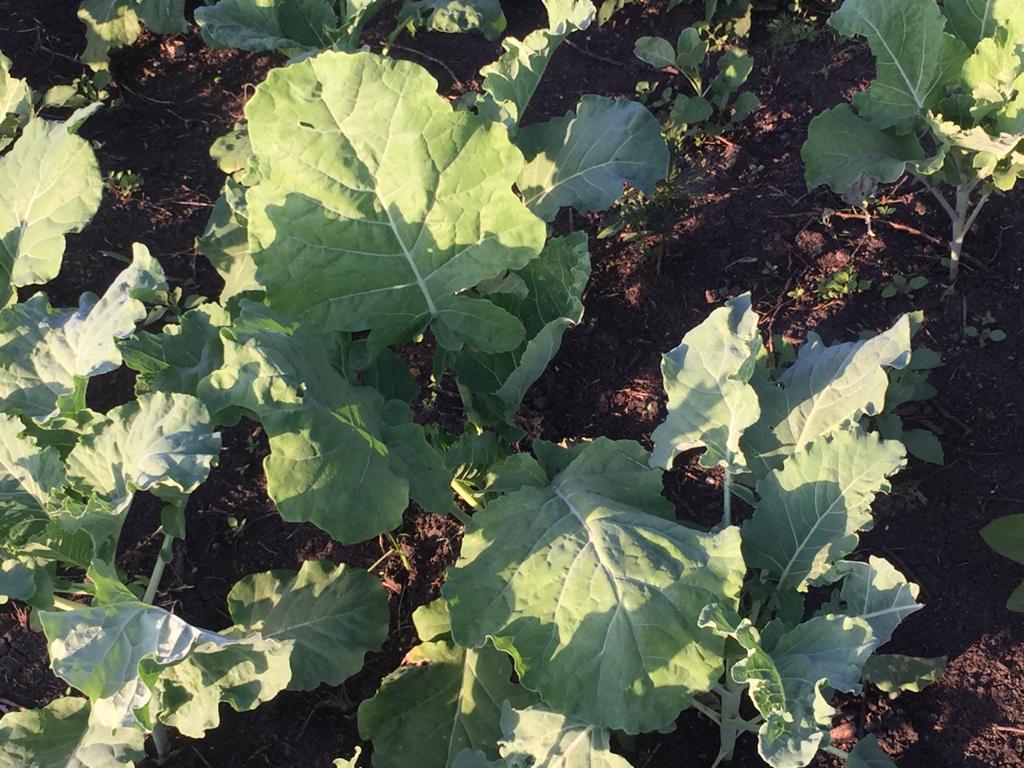
The Farmers Resource Guide offers actionable strategies such as improving soil health, leveraging biodiversity, and using eco-friendly pest control solutions made from natural resources.
It also includes crop-specific approaches for staples like maize and vegetables, providing tools for farmers to enhance productivity sustainably.
The Farmers Resource Guide goes beyond practical advice. It advocates for collaboration among policymakers, civil society organisations, and agrochemical companies to create a resilient and sustainable food system.
By adopting its principles, Kenya is set to redefine its agricultural practices, prioritising health, environmental preservation, and food security.