In the rural reaches of southwestern Kenya lies the heart of Kisii community, where age-old practices intertwine with modern-day struggles. Here, nestled within Kisii and Nyamira counties, over three million souls thrive, their lives intricately woven with the threads of agriculture and tradition.
Yet, beneath the serene surface, a cultural practice casts a shadow on the community’s conscience: Female Genital Mutilation (FGM). Seen as a rite of passage, economic necessity, and a means to control sexual urges, FGM remains deeply entrenched in Kisii’s social fabric.
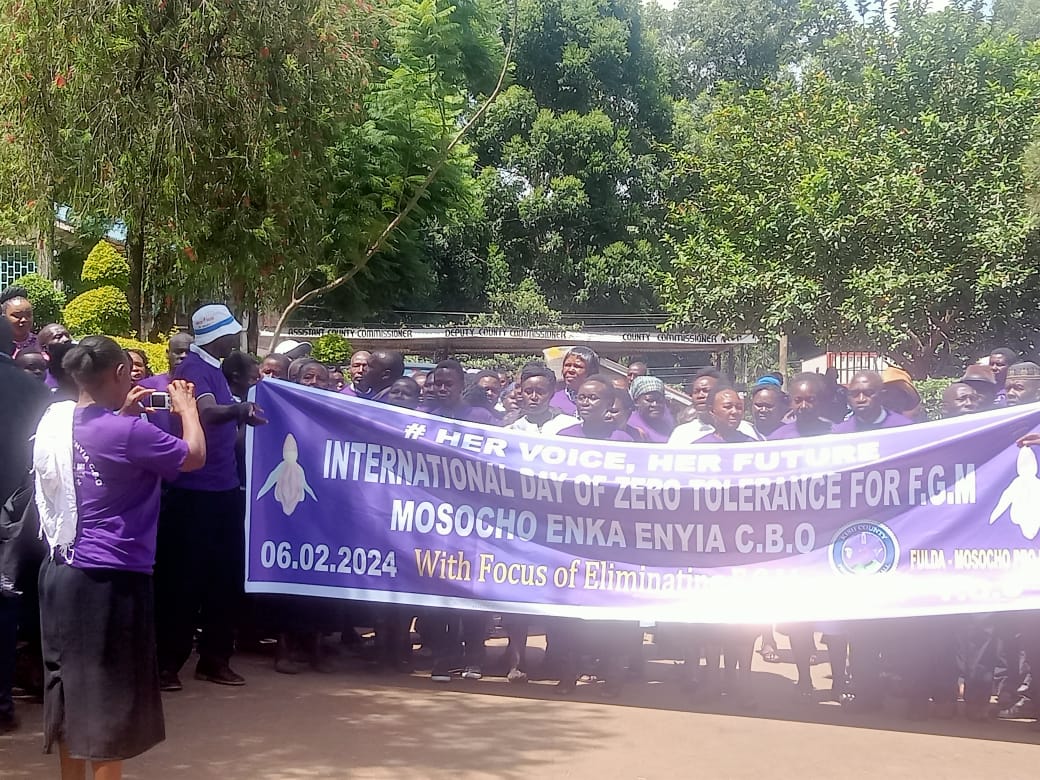
On the International Day of Zero Tolerance for FGM, 96-year-old Esther shares her journey, reflecting on her role in perpetuating this age-old tradition. For over five decades, Esther was a participant and overseer of the painful ritual, watching as thousands of young girls underwent the cut under her care.
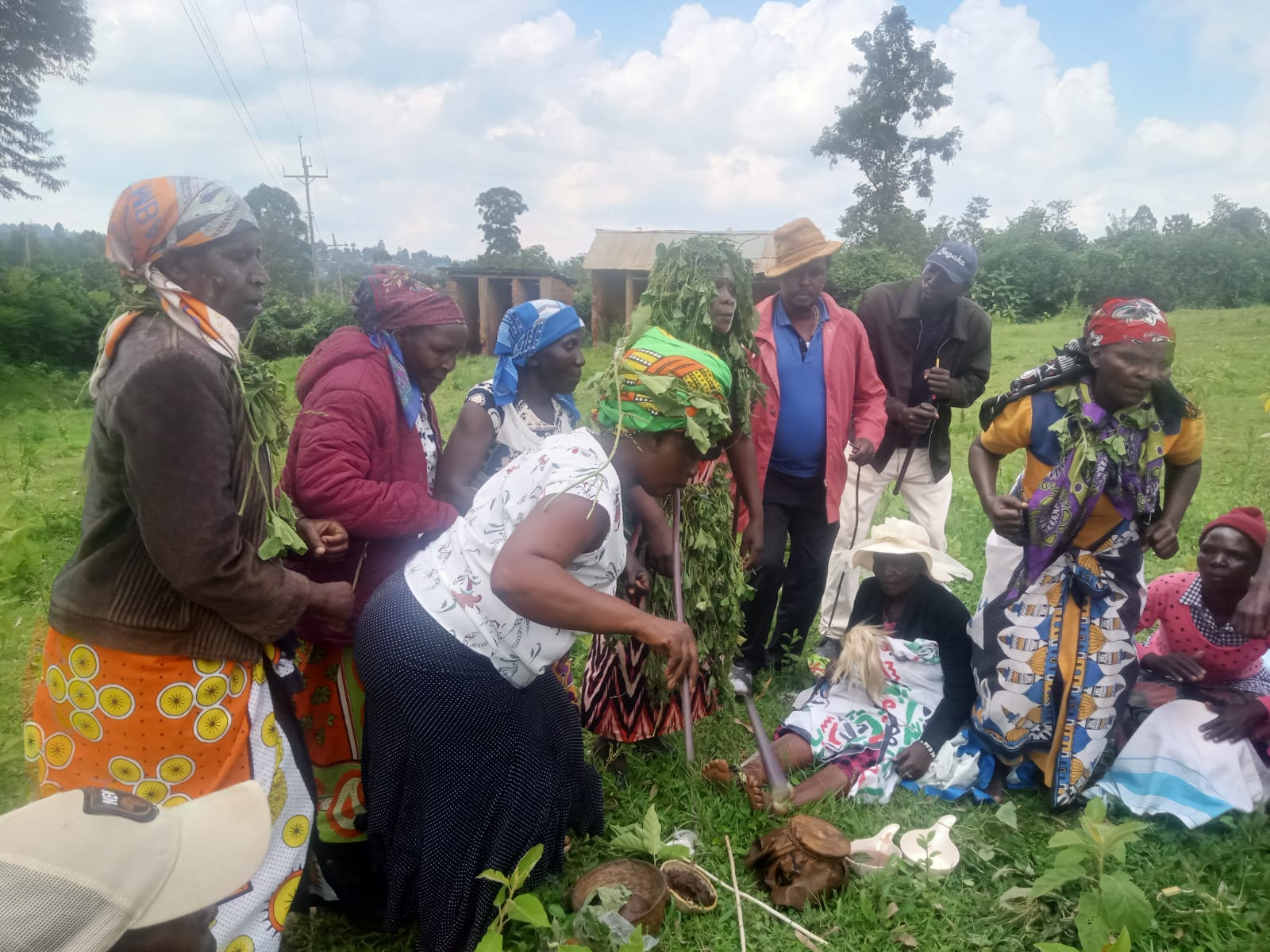
In the quiet village of Kiobegi, Bobasi constituency, Esther and her peers gather, their weathered hands assembling the tools of their trade: a razor blade, a sturdy chair, a drum, a horn, and traditional herbs. As they recount their past deeds, they are haunted by the realization of the physical, mental, and sexual toll their actions took on these innocent girls, all in the name of tradition.
Yet, amidst the shadows of the past, a glimmer of hope emerges. Esther and her fellow women, known as the Nyabubu team, have embarked on a new mission: to end the scourge of FGM in their community. With songs of solidarity and dances steeped in tradition, they gather to denounce the practice, symbolically destroying the tools of their trade and spilling traditional wine as an offering to their ancestors.
For Esther, there is no greater regret than the pain inflicted on countless young girls. Yet, in her twilight years, she finds solace in knowing that her actions have sparked a movement for change. Together with the Nyabubu team, she has rescued over 40,000 girls from the grips of FGM, offering them a chance at a brighter future.
Anita Dominic, an 18-year-old activist and international ambassador, echoes Esther’s sentiments. Raised in the shadow of FGM, Anita has dedicated her life to ending the practice, advocating for girls’ rights and empowering women to know their worth.

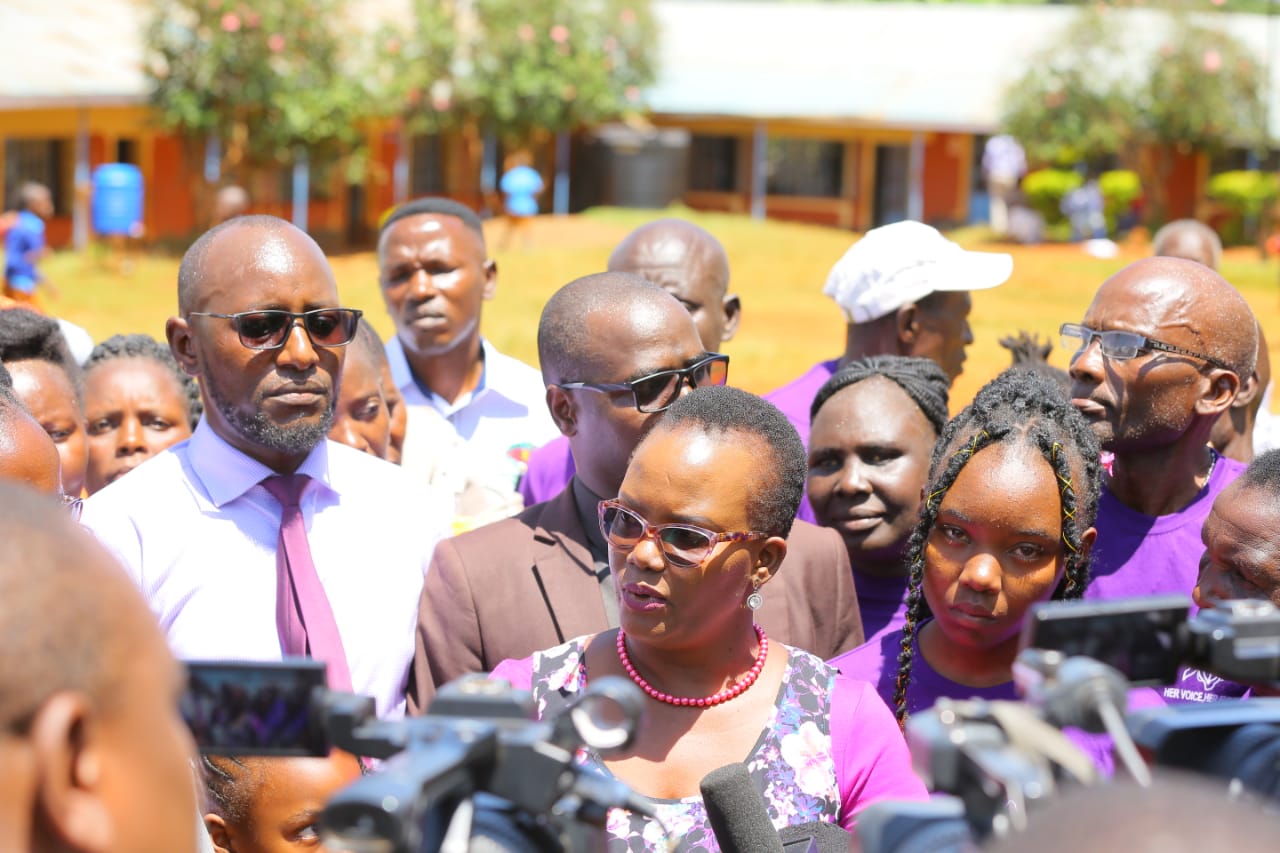
Their efforts have not gone unnoticed. Kisii County’s First Lady, May Arati, recognizes the pivotal role of education and empowerment in eradicating FGM. By empowering parents and communities, she believes we can break the cycle of poverty and tradition that perpetuates this harmful practice.
Dr. Magdaline Magangi, a gender and development expert, sheds light on the progress made in the fight against FGM. Over the years, the prevalence of FGM has declined, thanks to concerted efforts to raise awareness and enact legislation to protect girls’ rights.
Yet, challenges remain. Despite national and international efforts, FGM persists in many communities, its insidious influence reaching even the youngest of girls. The medicalization of FGM poses a new threat, as health care workers succumb to cultural pressures, perpetuating the cycle of abuse.
As we strive to achieve gender equality and end FGM by 2030, let us heed the words of UN Secretary-General Antonio Guterres: “We need urgent investment to reach the target set in the Sustainable Development Goals…and amplify the voices of survivors.” Only then can we reclaim the lives of those affected by this ancient, yet insidious, tradition.