NAIROBI, Kenya, April 1 – Home ownership remains a pain point for many Kenyans as indicated by the relatively low uptake of mortgages in the country. Data from the Housing Ministry shows that there are only about 25,000 mortgage accounts in a country of close to 50 million people.
With affordable housing being part of President William Ruto’s priority agendas with a plan to construct 250,000 units annually, Capital Business spoke to Absa Bank Kenya Head of Mortgages John Kaburu on how mortgages can be a route to affordable homeownership.
What is the bank doing to support the provision of housing to meet the existing demand for housing?
We support homeowners through a range of financial solutions but our starting point is from a mortgage perspective. We have a range of mortgage solutions, with two options which are buying a ready house where we can fund a customer up to 100 per cent for units of below Sh10million, amounts above Sh10 million we do up to 90 per cent financing, payable in 25 years. The loan interest rate is 9 per cent for companies on check off and 9.5 per cent for companies not on check off. We also offer construction loans payable over a period of 20 years.
What should potential homeowners look out for when taking up mortgages?
The starting point is to scope how the mortgage fits into your financial goals because it is both an emotional and financial investment. You also need to look at the point you are in life because that now shows which type of home you need. You also need to weigh the payment plan and tenure of the loan.
Finally, you need to check the loan-to-value numbers, to see for instance if a house is costing Sh10 million how much are you getting, and also how the bank is supporting you in the homeownership journey. This is because some of the costs are not related to the lender.
How is the implementation of risk-based lending likely to affect the mortgage market and uptake?
Previously banks were making a credit decision on a portfolio for example salaried customers, business customers etc. Risk-based lending is introducing a new level where now we are looking at a customer’s credit rating, risk profile of their income among other metrics. With mortgages being a secured product, the risk tends to be lower, therefore with risk-based lending we expect mortgages to have lower interest rates than unsecured products accelerating mortgage uptake.
With the Kenya Mortgage Refinancing Company raising the size of subsidized home loans to Sh8 million how has this affected the uptake of mortgages?
With the increase of the size of home loans from Sh4million to Sh8million, this means more people are eligible to apply for mortgages at a very affordable low rate for instance at Absa we have a 9 per cent to 9.5 per cent interest rate. The amount also allows people to get houses within urban cities such as Nairobi and Mombasa, Sh4milion was on the lower end.
How is affordable housing contributing to inclusive growth and sustainable development?
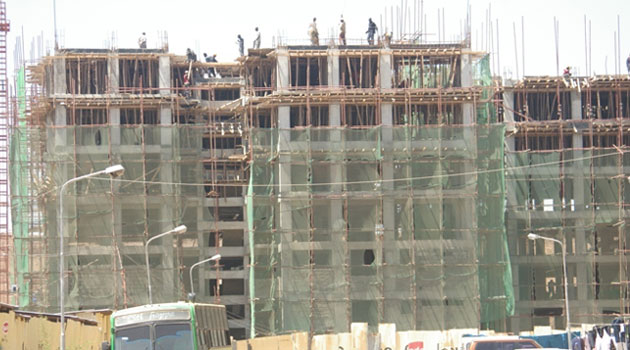
We have seen the projects being commenced by the government such as the 250,000 affordable housing units set to be built, through this there is inclusive growth for different economic players. This is through job creation not just at the work site but also in the supply of materials.
We have also seen jua kali artisans being contracted to supply the building materials, this talks to financial inclusion as with those people being able to earn they can also own homes now and the cycle continues leading to sustainable development.
With the rising inflation leading to high cost of building houses, how are you cushioning your customers from this with your mortgage products?
Those likely to be affected are customers who got mortgages before the Russia-Ukraine war which led to an increase in the cost of construction products. At Absa we went out to those customers and assessed their abilities to complete their projects and went into negotiations to reorganize the loans to accommodate the rising costs.
We have also adjusted the estimates we used to assess the building costs so that when we are doing the assessment for a loan as we arrive at how much you qualify for, we have factored two things, first is that the cost of the home you want to build is reflective to the cost in the market and the second is to assess if we can leave some headroom for you as you finance the loan so that even if there is an escalation in costs you still have some room in your income between the debt you’re servicing and the income that is remaining so that you can cater for the loan.
Despite the government’s affordable housing agenda, mortgage uptake in Kenya remains low and unpopular. Could you debunk some of the misconceptions associated with mortgages?
The biggest one is awareness or illiteracy around the mortgage product. There are many people when we have a conversation about home loans, they are not conversant with how it works and in the end, they realize that they should have considered them before . At Absa bank, we are addressing this by conducting many sessions to create awareness of this product.
The second one is the people’s perception on the apparent high cost of owning homes. Some people look at mortgages and just understand that this is a very big loan to take. The way we have addressed it is you come in and we develop a home ownership plan with a loan repayment plan, so that you have lesser repayments per month.
What are the merits of taking up a mortgage as a route to homeownership?
You shorten the period to own a home. Construction of a home can take nine months, for straight purchases this can take three to six months.
Also, when you take a mortgage, that house can also serve as a base for future investment. If you buy a house over time its value is likely to appreciate, and at the same time, your loan is reducing. So in between, there is equity and some capital being built, so you can use this capital as a remortgage in the future to do another investment. This can be a base for starting your real estate portfolio as part of your financial goals.
Thirdly, you get emotional peace of mind as you know you have shelter for your family.