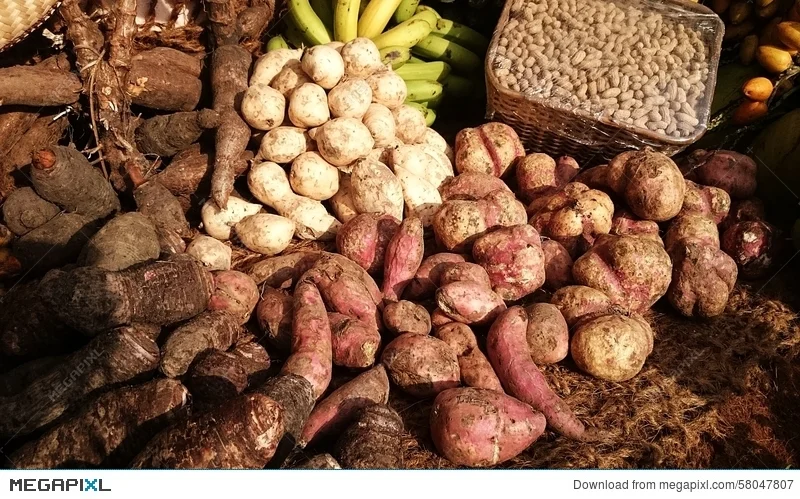
NAIROBI, Kenya Sep 16 – The battle against the rising burden of Non-communicable diseases (NCDs) in Kenya can be won through the adoption and integration of indigenous foods, as affirmed by Dr. Peter Mokaya, a renowned Public Health Physician and Health Development Practitioner.
With over 25 years of experience in healthcare practice and management, specializing in Preventive Health Care and other related fields, Dr. Mokaya emphasized the pivotal role played by indigenous foods, which are often underestimated by the public.
Dr. Mokaya underscored the profound impact of these foods on individuals’ overall well-being and health during the recently concluded inaugural national dialogue on agri-food systems, which aimed at promoting healthier diets.
“These conditions can be mitigated by reverting and mainstreaming the consumption of the indigenous foods. This is a medical fact and if we do not change our lifestyles, especially on what we eat, then we will end up with more NCD cases,” he said.
He described the indigenous foods as “functional medicine” in the fight against diseases that contribute to a significant number of deaths in the country.
NCDs are a group of medical conditions that are not caused by infectious agents and typically have a chronic course.
These diseases encompass conditions such as heart disease, diabetes, cancer, and respiratory illnesses, and are often linked to lifestyle factors like an unhealthy diet, lack of physical activity, tobacco usage, and excessive alcohol consumption.
According to the Ministry of Health, NCDs account for over 50 percent of in-patient hospital admissions and 39 percent of annual deaths, which are staggering.
Dr. Mokaya believes that the adoption of indigenous foods has the potential to reduce these figures.
“Humanity is at a point of crisis where there is a threat to survival and therefore humanity needs to go back and re-evaluate the food systems,” he said.
– Indigenous food magic –
He expressed regret over the surge in NCD cases, attributing it to the poor dietary habits of Kenyans who often overlook the immeasurable nutritional value of indigenous foods.
Nevertheless, he advocated for a more united effort, particularly from the government, to raise awareness among Kenyans about the significance of incorporating indigenous foods into their diets.
This, he asserted, would serve as a long-term strategy to curb the escalating prevalence of NCDs in the country.
“The food systems that are in play are currently failing humanity, climate change, food security, biodiversity and more importantly they are failing human health,” he said.
Dr. Mokaya emphasized that through the sustained incorporation of indigenous foods into one’s diet, certain NCD-related conditions, such as diabetes and various forms of cancer, can potentially be reversed, especially for those who have already received a diagnosis.
To bolster his medical findings regarding indigenous foods, he revealed that these foods played a pivotal role in preventing additional deaths during the COVID-19 pandemic in Kenya.
“During the pandemic, it is these foods that sustained us, not the vaccines. We were denied the vaccines, we were supposed to die,” he said.
– Indigenous foods Vs GMO foods –
In the debate on Genetically Modified (GM) foods versus indigenous ones, Dr. Mokaya urged individuals to make a personal, conscientious decision regarding which of the two options they deem safe for consumption.
“The international precautionary principle is that when you are not sure of the safety use alternative approaches like growing indigenous seeds and consuming their foods whose safety is guaranteed and has been tried over decades and whose effects if any are well known,” he said.
However, he emphasized the importance of individuals recognizing that “food is politics and can serve as a geopolitical tool.”
“He who controls your seed controls your food and he who controls what you eat controls your life and when your life is controlled you are basically dependent on that person. The GMO debate is an endless one,” he said.
While the debate over the safety of GMO foods continues, Dr. Mokaya emphasized the importance of individuals adhering to indigenous foods, citing the complexity of the science behind genetic engineering, which surpasses the comprehension of most people.
“Unless all the other methods have failed, including normal breeding using natural mechanisms of reproduction of both plant seed and human seed, there is no need to go to the next level,” he said.
In October 2022, the government lifted the ban on genetically modified crops, which had been in place for a decade, aiming to tackle the drought crisis in the country.
However, this decision stirred controversy, leading some Kenyans to express anger and others to take legal action to halt its implementation. The matter remains unresolved in the courts.
In general, Dr. Mokaya expressed optimism that over time, indigenous foods, often unfairly stigmatized as “poor man’s cuisine,” will receive wider acceptance among Kenyans as the ongoing trend towards celebrating these traditional foods continues.