
NAIROBI, Kenya, Sep 19 – The Electricity Sector Association of Kenya (ESAK) says pumping investments in the energy sector in the country will contribute to its sustainability while growing the economy which relies heavily on it.
With the sector playing a critical role as it powers manufacturing, the retail sectors as well as different households in the country, the majority of whom rely on electricity for their day-to-day operations, responsible investments will have a ripple effect on them thus contributing to the prosperity of the country’s economy, ESAK notes.
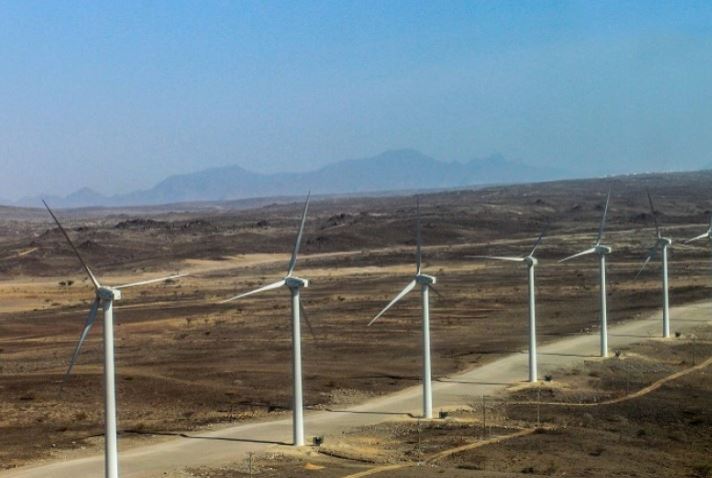
“One of the reasons why investment in the energy sector is viable in Kenya is due to the immense potential in the sector. Kenya is abundantly blessed with natural resources such as wind, abundant supply of rainfall and solar energy. 73 per cent of the country experiences wind speed of at least 6 m/s or higher,” said ESAK Chairperson George Aluru.
With an estimated potential of small hydro at 3,000 MW, the country’s solar energy has a huge potential for investment as the Garissa Solar Power Plant is the largest grid-connected solar plant in East and Central Africa.
ESAK further encourages collaborations both from the private and public sectors to provide a conducive environment for engaging in such partnerships as the country has favourable laws and welcoming policies on doing business.
Moreover, the Energy Act of 2019 also envisions a liberalized energy market in which private companies can also participate in the distribution, transmission and retail of electricity.
The government has also developed the Kenya National Electrification Strategy (KNES) which aims to define a strategy to attain electricity access for all households and businesses in the country.
Such policies are clear evidence that the energy sector in Kenya is accommodative and ripe for further investments, ESAK notes.
The growing demand for electricity in Kenya is also another signal that there is a need for further investment in the sector even as the country recorded a peak electricity demand at 2051 MW, a 15MW surge from the 2036MW it recorded in November 2021.
With a new government in place, ESAK hopes this presents an opportune time to solve challenges the energy sector faces in addition to injecting more funds into it.
The International Energy Agency (IEA) projects that global electricity demand to grow by 2.4 per cent in 2022.