
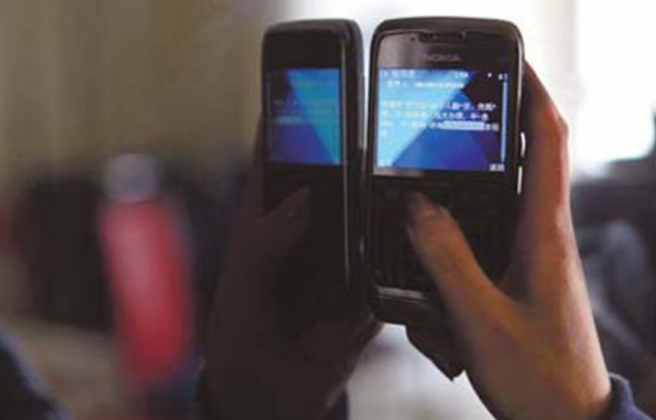
NAIROBI, Kenya, Jan 9 – Jamii Telecommunications customers are the most likely to receive spam or unsolicited messages compared to subscribers of other mobile operators such as Safaricom and Airtel, new data shows.
Figures from the Communications Authority of Kenya (CA) indicate that 19.2 percent of Jamii users reported receiving unsolicited messages more than four times, significantly higher than Safaricom subscribers at 6.2 percent. Airtel users followed at 17.3 percent, while Telkom Kenya stood at 14.9 percent.
According to the CA’s Customer Satisfaction Survey, Safaricom recorded the lowest incidence of unsolicited messages among respondents, although the data is partly limited by a high “Don’t Know” response rate.
“Only 8.5 percent of customers reported receiving unsolicited texts once, 7.3 percent twice, and 7.2 percent three times,” the survey shows. “Smaller shares reported four times (3.0 percent) and more than four times (6.2 percent). These figures suggest that Safaricom customers are least affected by unsolicited SMS.”
Unsolicited promotional messages—often linked to trivia alerts, quizzes, and betting platform notifications—have been on the rise, with telecom operators increasingly blamed for allegedly sharing customer data with third-party firms.
In response to the growing problem, the Office of the Data Protection Commissioner (ODPC) has intensified surveillance, imposing penalties on companies found to have shared user data or sent spam messages without consent.
Under the Data Protection Act, 2019, firms risk fines of up to Sh5 million per violation, or up to one percent of their annual turnover in the preceding financial year, whichever is lower.
Some of the companies recently penalised for breaching data protection rules include Family Bank and SBM Bank Kenya, among others.