NAIROBI, Kenya, Feb 17 – For the longest, golf used to be viewed as a lifestyle sport. But Kenya Vision 2030 is thinking out of the box to make a difference.
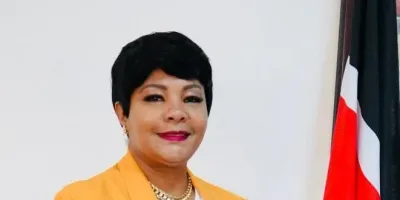
Highlighting the significance of investing in golf players, Kenneth Mwige, Director General of the Kenya Vision 2030 Delivery Secretariat, remarked: “Five years ago, sport sat more on the sidelines of policy. Today, it sits at the table.”
He added, “We’ve come to understand that sport is not just a recreational activity— it’s employment, it’s industry, it’s youth empowerment…it’s a way of life. The Social Pillar has evolved to intentionally structure support systems around athletes, federations, and corporate partnerships. We’re investing in people, not just events.”
Mwige underscored what the Magical Kenya Open meant for tourism, hospitality, broadcasting, and branding — “it’s clear golf is serious business. And when young Kenyans see professionals earning, travelling, and competing globally, the mindset shifts.”
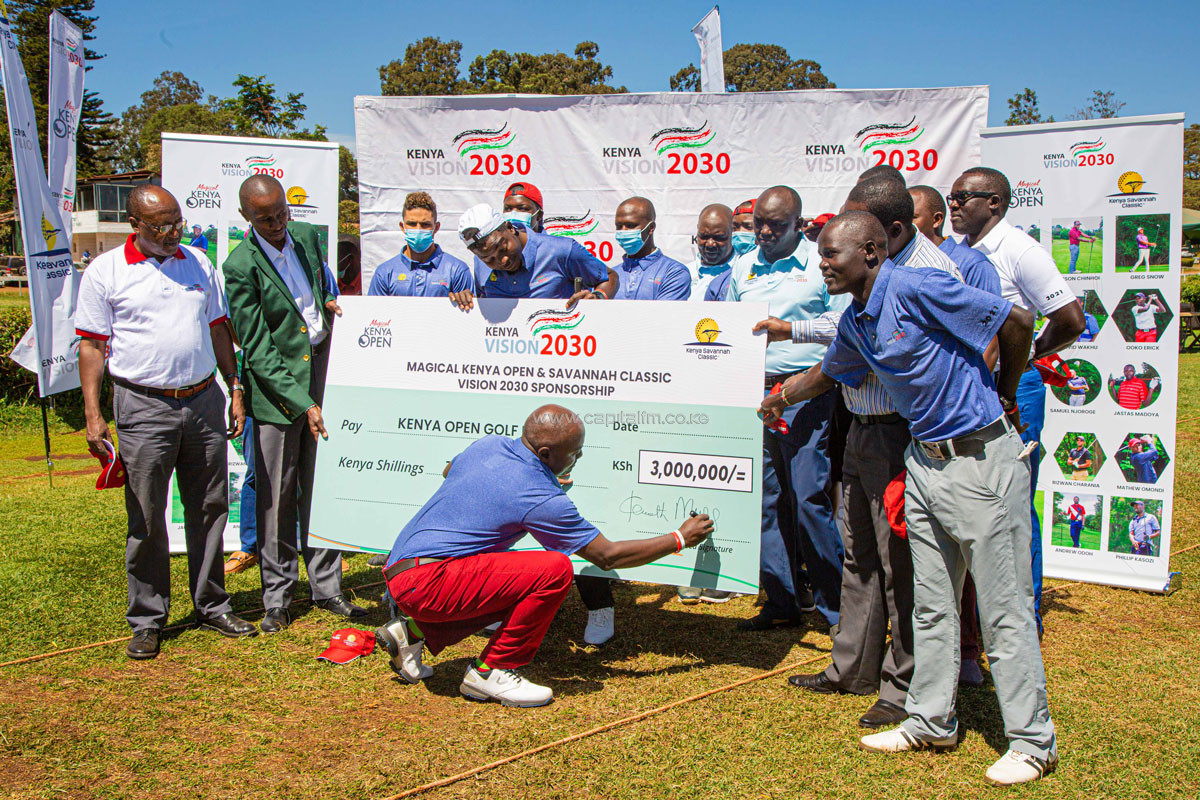
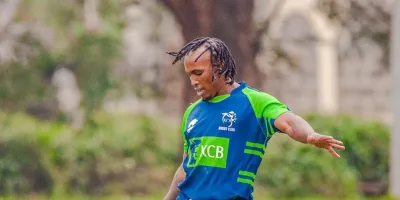
Asked why Vision 2030 decided to sponsor 15 Kenyan and regional golfers back in 2021, Mwige expounded: “We realised that talent without support remains potential. In 2021, we took a deliberate step to back 15 Kenyan and regional golfers because we wanted to build depth — not just showcase one or two stars. The key lesson has been simple: When you invest directly in athletes, you see confidence grow, performance improve, and belief spread across the ecosystem.”
One would argue that events deserve more funding than individual athletes. Commenting on why focus on stipends, caddie support, and bonuses are key, Mwige continued: “Events create moments. Athletes create a legacy. If a player is worried about travel costs or paying a caddie, his accommodation or other logistics, they can’t focus on performance. By providing stipends and structured bonuses, we allow them to think long term. Hosting tournaments is important — but producing champions is transformative.”
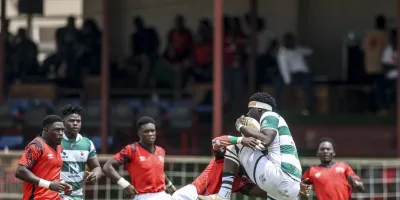
Kenya is hosting a major global sporting extravaganza in close succession, including the HSBC Sevens, Magical Kenya Open and WRC Safari Rally, and Mwige is overly excited with what the investment presents, by and large.
“Sports is part of our national economic strategy. Whether it’s golf, motorsport through the Safari Rally, or rugby, we are positioning Kenya as Africa’s sporting capital. These events are connected by a long-term vision, not coincidence,” added Mwige.
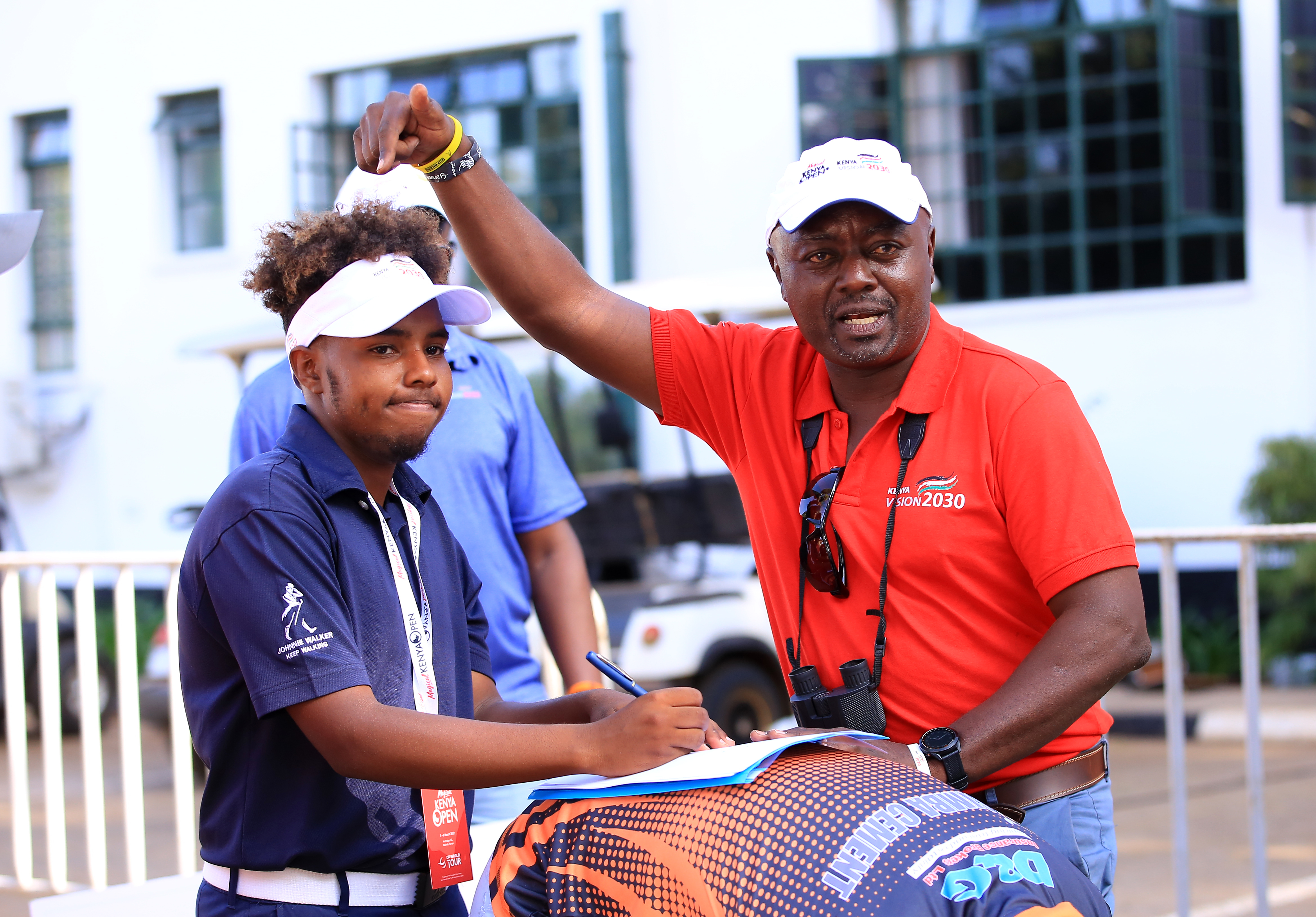
Commenting on Kenya Vision 2030’s auction-based advertising model on player apparel and how it panned out, Mwige highlighted: “It has worked because it puts athletes at the centre. Companies bid for branding space, and the proceeds go directly to the players. It creates transparency, ownership, and pride. More importantly, it shifts sponsorship from charity to partnership. This process also allows those who do not have huge marketing budgets to grab some prime space on the players merchandise. “
Mwige is calling on other corporates to adopt this athlete-first model, adding that investing in athletes directly, “you create accountability and measurable performance outcomes. It builds a healthier sports economy. We’re already seeing interest beyond golf.”
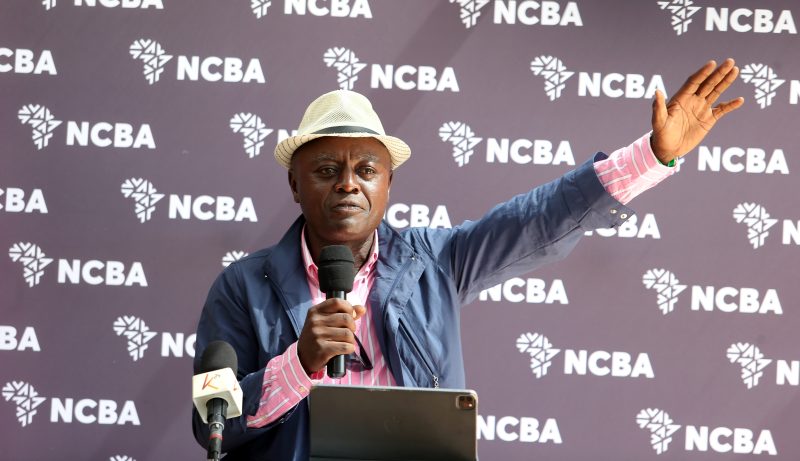
Commenting on how important golf partnerships with institutions like NCBA Group and IMG have been, Mwige: “They’ve been critical. The government cannot do this alone. NCBA has strengthened domestic competition through its golf series, and IMG brings international credibility and global networks. Our role has been to align everyone around one goal: sustainable growth.”
And asked what sustainability looks like for golf beyond the Magical Kenya Open, Mwige continued: “It looks like junior academies, structured regional tours, sports science integration, and predictable funding cycles. It means a 14-year-old today can see a clear pathway to becoming a professional in 10 years. That’s sustainability.”
Five years into this athlete-focused approach, Kenya Vision 20230 Secretariat has witnessed immense progress, and it goes without saying.
Mwige explains that Kenyan golfers compete with belief, seeing consistency in performance, and indeed seeing more young players entering the sport because they now see opportunity.
“That cultural shift is powerful,” he quipped.
Mwige is also excited to witness measurable improvements linked to this support.
“We have witnessed regional finishes, improved scoring averages, and more Kenyan representation in international tournaments. Stability breeds performance — and we are seeing that connection clearly.”
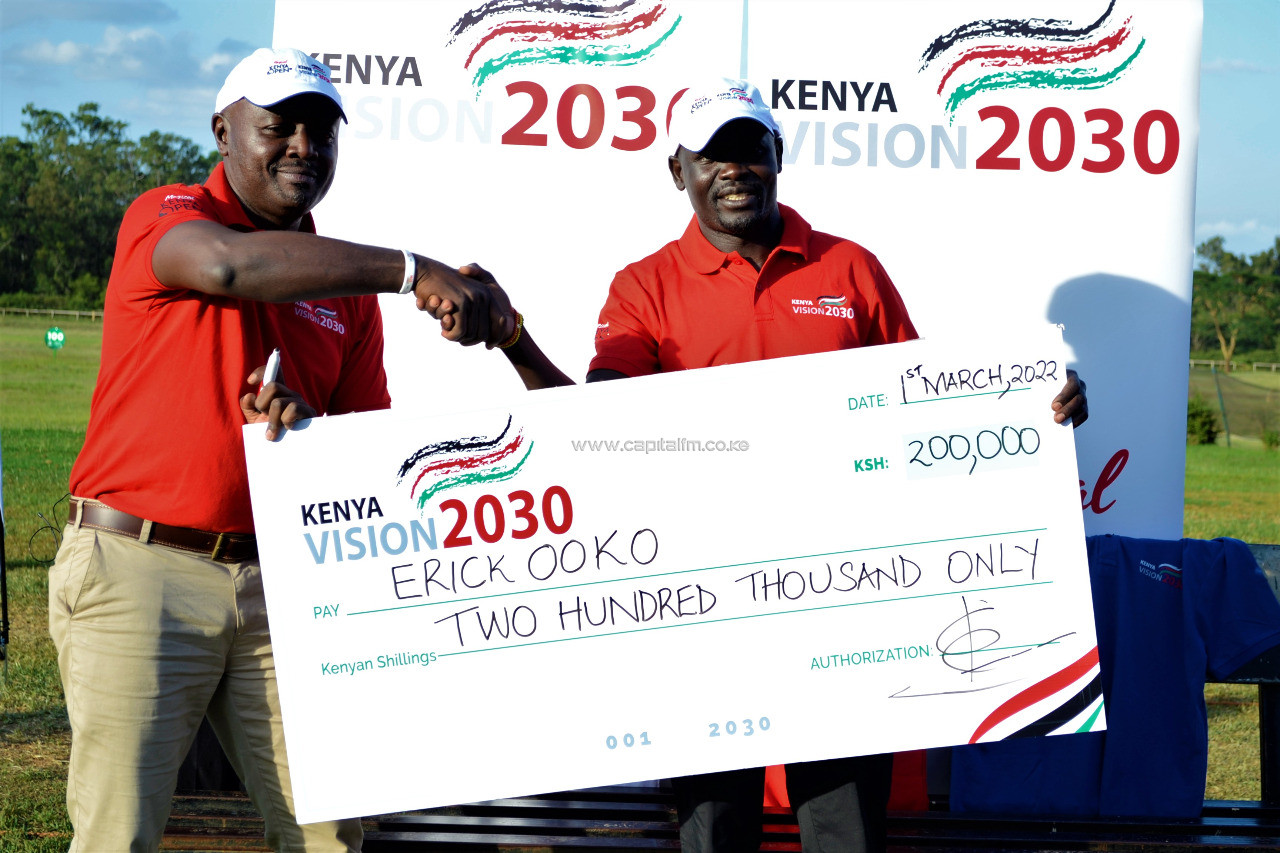
The country’s investment has worked out well to strengthen the Magical Kenya Open’s place on the DP World Tour, and Kenya is no longer just a host.
“We are contributors to the tour’s competitive depth. When local players can realistically contend, the tournament gains authenticity and continental pride,” Mwige explained.
Asked why it is paramount to include African professionals in the Vision 2030 programme, Mwige said in finality:
“Because leadership means lifting others. Strengthening African participation raises the competitive bar and builds continental unity. Kenya grows when Africa grows. The 2026 Magical Kenya Open will definitely leave a lasting legacy. A self-sustaining ecosystem — where Kenyan professionals are globally competitive, corporates see sport as an investment, and young players are securing structured pathways. The tournament should be a milestone, not a peak.”