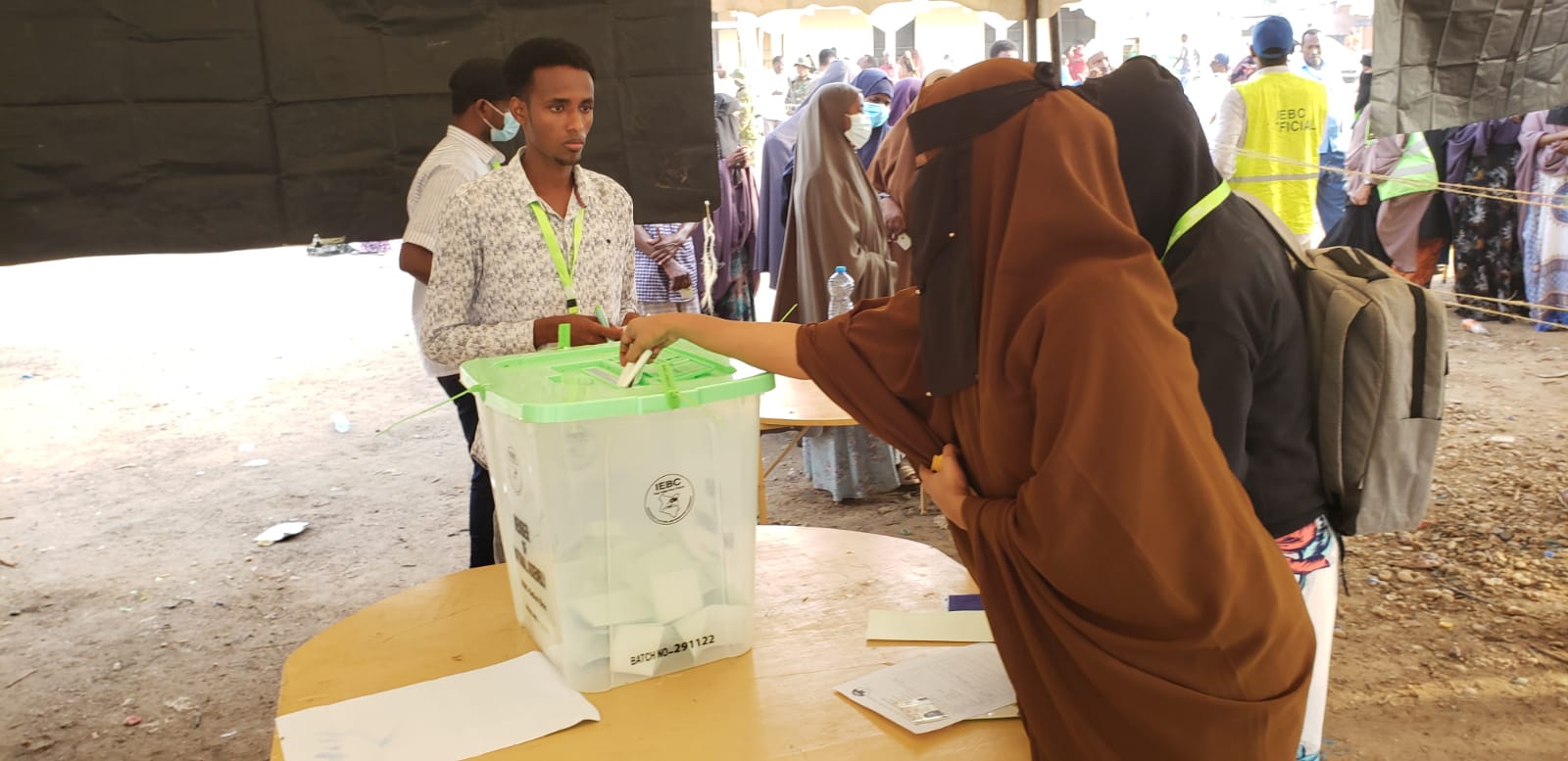
Feb 5 – The killing of a 27-year-old Hindu garment worker has intensified concerns over the safety of minority communities in Bangladesh, as the country prepares for national elections on February 12.
Dipu Chandra Das was accused in December by several Muslim colleagues of making derogatory remarks about the Prophet Muhammad. The allegations drew a violent mob to his workplace. He was beaten to death, his body later hung from a tree and set on fire, according to local reports.
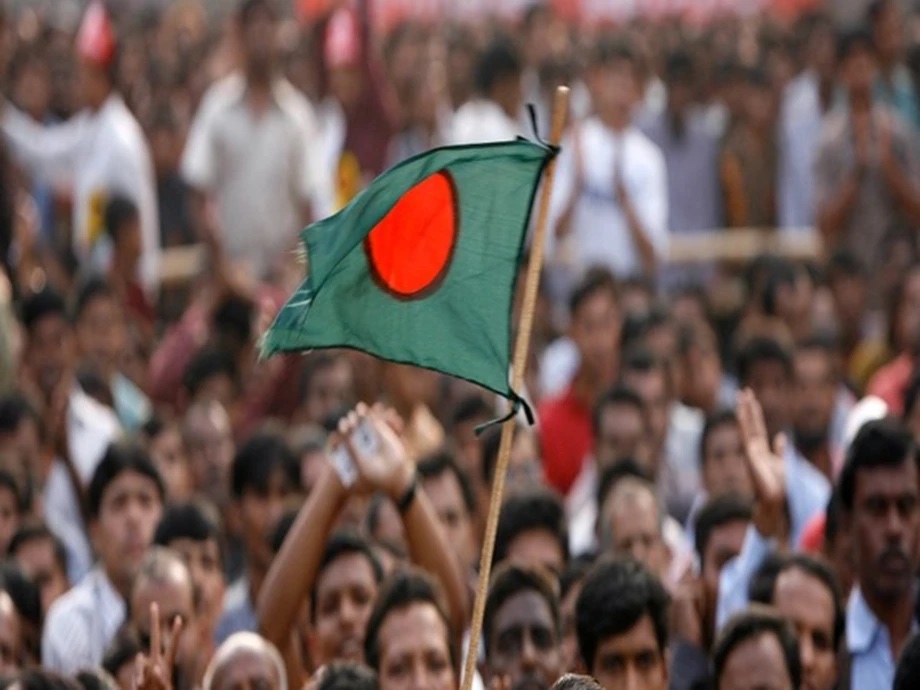
Images of the killing circulated widely on social media, prompting outrage and fear among members of the Hindu community. Protests erupted in Dhaka and other cities, with demonstrators demanding justice and stronger protections for minorities.
The interim government led by Nobel laureate Muhammad Yunus ordered an investigation. Police said about a dozen people had been arrested in connection with the attack.
However, human rights organisations and Hindu community leaders argue that the killing reflects a broader pattern of escalating violence against minorities, amid deepening political polarisation and the resurgence of Islamist groups following the ouster of former Prime Minister Sheikh Hasina in August 2024.
Among Bangladesh’s 170 million people, Hindus constitute roughly 13.1 million — about 8 percent of the population — while Muslims account for approximately 91 percent.
The Bangladesh Hindu Buddhist Christian Unity Council, an umbrella body representing minority communities, says it has documented more than 2,000 incidents of communal violence since Hasina’s removal from office.
According to the group, at least 61 people have been killed, 28 women subjected to sexual violence — including rape and gang rape — and 95 places of worship attacked through vandalism, looting or arson. The organisation has accused the Yunus-led administration of downplaying or dismissing reports of communal violence.
When contacted for comment, an official from Yunus’ press team declined to respond. The interim administration has consistently rejected allegations that it has failed to protect minority communities, maintaining that most reported incidents are not motivated by religious hostility.
As Bangladesh heads toward elections, minority leaders say fear has become more pervasive.
“No one feels safe anymore,” said Ranjan Karmaker, a Dhaka-based Hindu human rights activist. “Everyone is terrified.”