NAIROBI, Kenya, June 10 – The rate at which Kenyans are migrating out of the country continues to grow year on year with many, especially young people seeking jobs and education abroad in a bid to better their living standards.
The sharp increase has had an immediate effect on the diaspora inflows which have hit a record high every year since 2016.
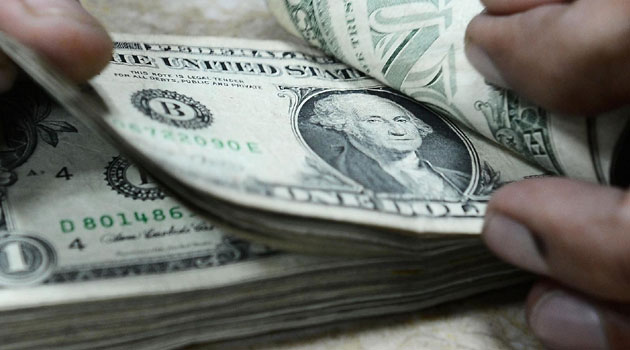
Data from the Central Bank of Kenya (CBK) shows that inflows reached USD 3.71 billion (Sh421.98 billion) in 2021, up 20.2 percent from USD 3.09 billion (sh351.46 billion)a year earlier.
Polls conducted by CBK have found that Kenyans in the diaspora send more money back home to support families and friends at the expense of investments and savings.
The findings mirrored those of WorldRemit which noted that the main uses of remittances are to pay for education, healthcare, and household needs.
“Remittance flows also provide livelihoods to vulnerable households by contributing to basic needs such as food, education, healthcare and housing. In this context, there is need to better understand diaspora remittances and mainstream them into the country’s development process,” CBK indicated.
This highlights the increased money flows between Kenyans abroad and within, an issue that calls for increased vigilance for Kenyans in diaspora when sending funds back home.
The article below, therefore, highlights some of the must-have tips for recipients and senders to ensure safer international money transfers.
In order to get started, one must ensure that the provider chosen to send money should be approved, licensed, and regulated by the relevant authorities in Kenya, this will give the user enough confidence to send money.
In Kenya, some of the approved services include, WorldRemit, Western Union, MoneyGram, Ria, Transfast, Small world, Dahabshiil, TerraPay and Thunes, and MFS Africa.
While ensuring the authenticity of the provider, a user should also be diligent about their personal safety, the safety of the device, bank account, and funds.
Countercheck ratings, reviews
Before using a service, check their ratings on neutral customer review sites like trustpilot.com.
A 4-star rating and above is a good sign. Choosing a trusted and global brand is also helpful since they typically have more customer reviews than newer market entrants.
Global money transfer service WorldRemit for example, which was named by Investopedia as the best for International Transfers as part of its ‘Best Money Transfer Apps of 2021 awards’ has close to 60,000 reviews on Trustpilot and a 4-star rating.
A customer should opt for services that gives the receiver a variety of options to choose from when receiving their money is also important.
The firm allows receivers to receive their funds as a bank transfer, on M-PESA and other mobile wallets, as cash pick up in selected banks and financial institutions, and as airtime top-up on their phone.
Identity theft and fraud
Also, while the provider may be authentic, one should be wary of identity theft and fraud. One should not give information to anyone purporting to be from your money transfer provider and always opt for platforms that have measures like session time-outs and a two-step verification process.
Insecure Platforms
When sending money online, there is a high risk of information being intercepted and captured due to insecure websites. Therefore, users should ensure that the website is secure and has a security layer such as verified by Visa, and Mastercard SecureCode when making payments.
Don’t fall for money transfer scams
The majority of scammers are usually individuals who have details about you and may disguise themselves as individuals to who are close. Others may call as representatives from your providers. Bottom line is that one should NEVER give bank account details to people you don’t know.
PS. While you may observe all these details, there is a high accidental risk of entering the wrong beneficiary information. Therefore, always countercheck any information before completing the transfer.