This year, 19 African countries are set to hold elections. However, a recurring issue that plagues African electoral systems is the presence of 50+1 clauses, which often lead to violence and instability after elections.
One of the fundamental problems we face with our African electoral systems is that many of them were imposed upon us without careful consideration. Why did Africa adopt a 50+1 election system that frequently results in violence after universal suffrage?
The truth is that we, as Africans, have cultivated a culture of constitutionalism that has led us to incorporate the 50+1 clause into most African state Constitutions. This clause has contributed to bloodshed in nearly all countries that have implemented it.
The leaders we have in power today are a product of this self-inflicted issue. The dangerous 50+1 clause encourages a culture of violence by empowering politicians through this very clause.
In many African countries, the legalization of violence is embedded in the electoral process through the 50+1 system, often leading to fraudulent elections. Leaders fiercely compete for the presidency because we have legalized this under the 50+1 system.
Why should voters in a country like Comoros, which has little more than tourism and faces natural challenges like deadly winds, be subjected to a 50+1 system? Look at the turmoil in Comoros caused by-elections.
Similarly, why does Uganda have a 50+1 clause in its constitution when it consistently results in violence every five years during elections? I participated in the 1980 elections, which marked a turning point for our country due to irregularities. Why should Ugandans continue to endure violence when our roads in Kampala are in deplorable condition?
In the recently concluded elections in Zimbabwe, violence erupted again due to the 50+1 colonial clause. This clause has fueled violence in 2019 and 2022, with threats of further demonstrations from the opposition, which seeks to destabilize Zimbabwe.
In West Africa, the 50+1 clause is a primary cause of electoral violence. In countries like Nigeria, it has led to violence and electoral body manipulation of results. The Chairman of INEC has sometimes used probability rather than truth to determine winners or has been influenced by the ruling party to select winners.
Across West Africa, most coups have occurred as a result of 50+1-style elections. This has driven the opposition to take to the streets, prompting military interventions to oust leaders elected through such a system. Mali, Guinea Conakry, Niger, and Burkina Faso, among others, have experienced chaos due to the 50+1 clause.
Many African leaders who are elected under the 50+1 constitution do not view themselves as servants of the people but rather as rulers who oppress and subjugate their subjects. It is up to us to dismantle the 50+1 system we have built and the ineffective leadership it has engendered.
The 50+1 clause is a significant driver of the culture of corruption in many African countries, as leadership is often put into power by powerful cartels.
Two African countries, South Africa and Tanzania, have held presidential elections without violence precisely because they have different constitutional arrangements that do not include the 50+1 clause. These countries serve as examples that peaceful elections are possible without this clause.
While it is possible that my perspective may not align with everyone’s, it is essential to recognize that the impediments to Africa’s progress often lie in flawed elections that breed violence. Furthermore, when courts are used to undermine universal suffrage, they can also contribute to conflict.
Thank you, God bless Africa.
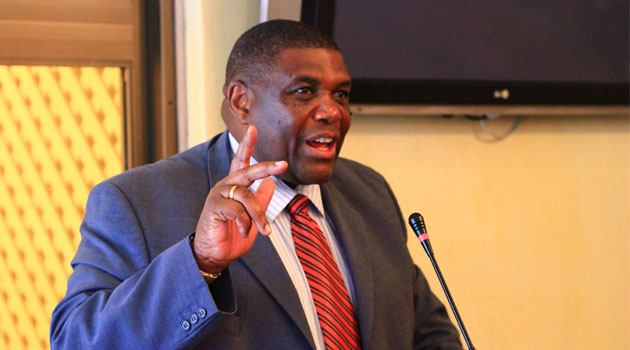
David Matsanga is the Chairman of the Pan African Forum.