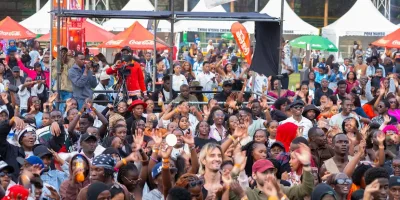
For generations, Uhuru Park has been a cherished retreat for many Nairobians, a green oasis offering respite from the urban hustle and stress. It earned its place as Nairobi’s most iconic recreational space, where countless memories were made and cherished. My fondest recollections are of leisurely boat rides on the lake, gently gliding across the waters while taking in the stunning view of the city’s tall buildings. I vividly remember the sight of countless couples, hand in hand, making their way to the park for a date, sitting on the grass, times when love dates were simple and true. Thank goodness for the dozens of photographers who were always stationed all over the park, capturing such precious moments long before the age of digital photography.


(Old Uhuru park pictures)
However, Uhuru Park is more than just a place for recreation. Over the years, it has witnessed numerous events that have shaped our nation’s history—peaceful protests, cultural celebrations, and moments of national unity.
Within the history of this park lies a tale of courage and resilience, embodied by the late Wangari Maathai, the esteemed Kenyan environmentalist and Nobel Peace Laureate. Under the late President Daniel arap Moi’s autocratic regime, the government sought to carve out a portion of Uhuru (“Freedom”) Park for a grandiose project—a 62-story skyscraper complex to serve as the headquarters for Moi’s ruling party, KANU. Wangari Maathai, undaunted, raised her voice in defense of preservation, rallying the people through the Green Belt Movement to protect their beloved park from encroaching development. The victory was not merely the preservation of a physical space; it was a triumph of spirit over tyranny, of community over conformity. Uhuru Park remained unscathed, a testament to the power of grassroots activism and the enduring legacy of those who stand for what is right.
Unfortunately, over the years, neglect took its toll, and by 2021, the park had deteriorated significantly. The Nairobi County Assembly passed a motion paving the way for the park’s refurbishment through Nairobi Metropolitan Services. Initially closed for a brief hiatus, the park remained shut for three years as the Kenya Defence Forces undertook the monumental task of restoration.
Finally, on a Thursday in April 2024, the newly refurbished 12.9-hectare park reopened its doors to the public. At a ceremony within the park, the Kenya Defence Forces officially handed it back to Nairobi City County, an event attended by both national and county government dignitaries and officials. Nairobi Governor H.E. Sakaja Johnson declared the park open, saying, “Many have asked when it will be opened; it is now opened. Today is a momentous day as we receive back Uhuru Park. This park, with its lush greenery and serene ambiance, holds a special place in the hearts of Nairobians and visitors alike.”
Step into the Refreshed Uhuru Park: Exclusive Images Inside!


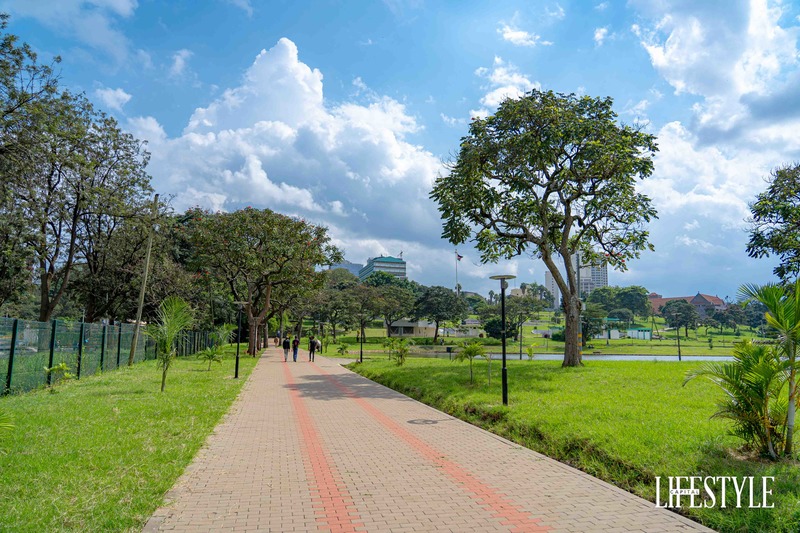
The new look Uhuru Park is gorgeous and breathtaking, a transformation that would make the late Wangari Maathai proud. The park is now flourishing with amenities designed to delight and inspire. Beautiful indigenous plants and vibrant flowers adorn the landscape, inviting visitors to wander and wonder. Manicured lawns stretch like emerald carpets, beckoning picnickers and dreamers alike.


Nestled within the revitalized expanse of Uhuru Park lies a unique attraction that captivates the imagination of visitors—a retired aircraft soon to be transformed into a restaurant. This intriguing addition has quickly become one of the park’s biggest draws. It’s not difficult to imagine the buzz that will reverberate across social media platforms as enthusiasts eagerly share their experiences of dining in this remarkable facility, once its fully operational within the next few months.


Uhuru Park is also a symbol of our city’s resilience, unity, and commitment to preserving our natural heritage. The park remains a custodian of history and culture. The famous Mau Mau freedom fighters’ monument has been renovated. This monument at one corner of the park pays homage to health workers and freedom fighters, standing as silent sentinels, reminders of the past woven into the fabric of the present.


Security measures, including perimeter walls and a state-of-the-art visitor management system, ensures safety without compromising accessibility. The introduction of skating parks, and container restaurants, breathes new life into the park’s communal spirit.


Future plans by the Nairobi County Government include a couple of terraced seating areas with a biosphere look, a dancing fountain, several eateries, shelter gardens, the creation of water cascades, and the construction of ablution facilities and more walkways.
In addition, there will be a basketball court in Central Park. For now, Central Park remains closed for a few more weeks as renovation works continue and are expected to be completed soon.
Hawking and preaching are both prohibited in the park.


To access the park, all you need is your National ID or passport. Entry is free and the park is open every day of the week. Professional photographers with equipment intending to do a shoot inside the park must obtain a permit from the County Government Office.
(Special thanks to Wangui Maina- Director, Governor’s Communication · Nairobi City County for assisting us during the photo shoot)