
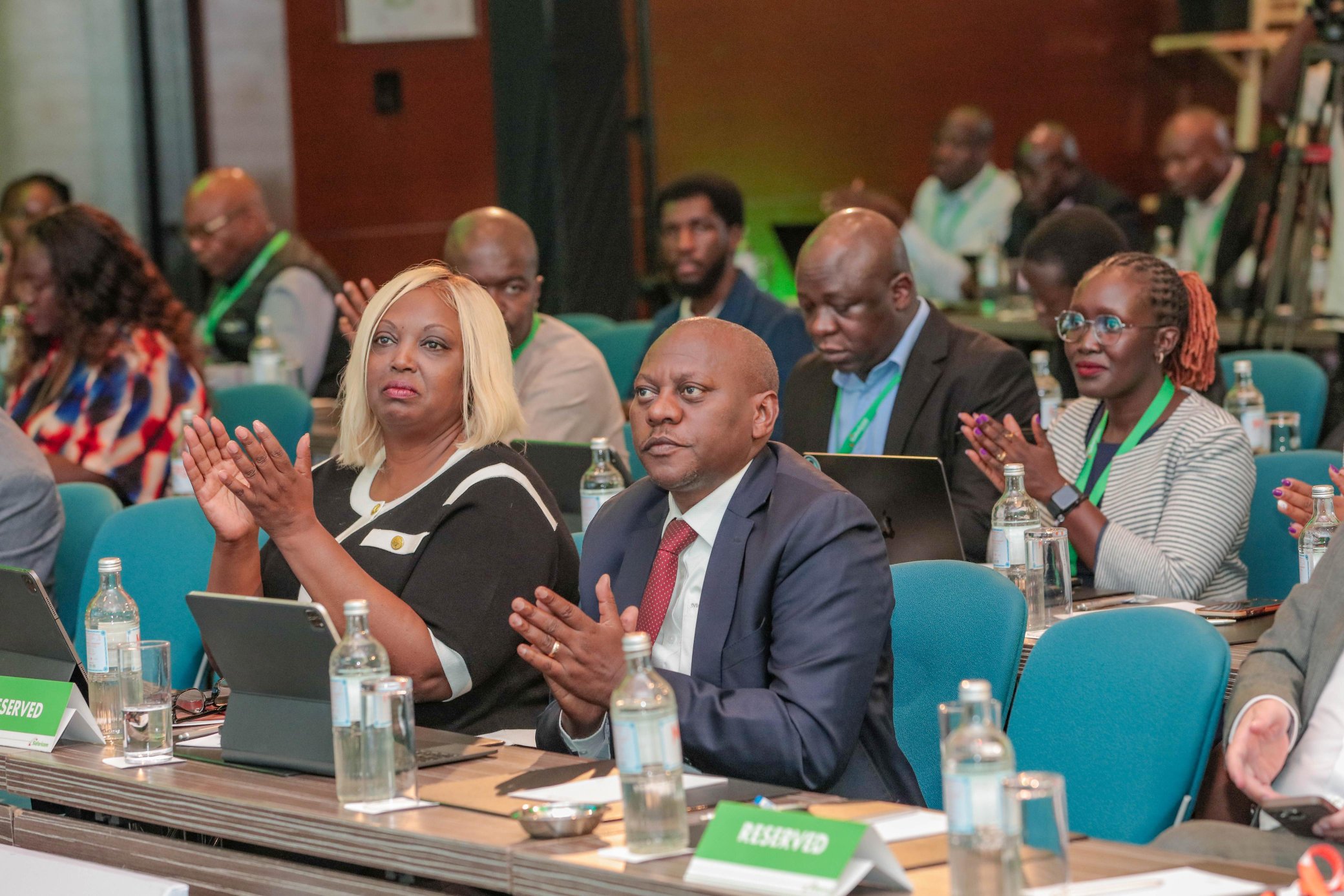
NAIROBI, Kenya, Oct 30 – Safaricom has rolled out a two-day Cybersecurity Summit to raise awareness among businesses, governments, and individuals about the importance of investing in technology to safeguard sensitive information and critical systems.
Themed ‘Secure Innovation, Unstoppable Growth for Kenyan Financial Services’, the summit has drawn nearly 500 industry leaders and professionals eager to explore the latest trends in cybersecurity and the evolving landscape of enterprise networks.
Safaricom CEO Peter Ndegwa highlighted the company’s commitment to enhancing cybersecurity.
“At Safaricom, we provide solutions that connect, protect, enable, and transform businesses, ensuring continuity even in the face of cyberattacks,” he said.
Ramakrishna Balagopa, Vice President Business – EMEA at SISA, noted the rise in sophisticated cyber threats, such as ransomware and phishing, which increasingly target financial systems.
“These attacks are becoming more personalized and targeted, aiming to compromise sensitive data and financial assets. It is imperative for organizations to leverage emerging technologies to enhance cybersecurity resilience,” he said.
Cynthia Kropac, Safaricom’s Chief Enterprise Business Officer, pointed out the vulnerabilities faced by micro, small, and medium enterprises (MSMEs).
“With global digitalization, MSMEs remain particularly vulnerable due to limited awareness of security risks and restricted capital allocation for cybersecurity measures,” she said.
According to Interpol’s 2024 African Cyberthreat Assessment, Africa faces the highest average weekly cyber attacks per organization, largely due to inadequate cybersecurity infrastructure.
In Kenya, the situation is critical, with over 1.1 billion cyber threat events detected between April and June 2024, as reported by the Communications Authority of Kenya.
The surge is driven by the rise in Internet of Things devices, insecure system configurations, outdated software, and advancements in technologies like artificial intelligence.