NAIROBI, Kenya, Jan 12 — East African Community (EAC) Secretariat has added its voice to the unfolding diplomatic spat between Burundi and Rwanda calling for peaceful resolution of the dispute.
EAC Secretary General Peter Mathuki issued the appeal on Friday without mentioning the two EAC States, instead urging all Partner State to restrain from acts of confrontation.
“I therefore, encourage our esteemed Partner States to deploy peaceful settlement of any disputes and restrain, strictly observing the spirit of our Treaty and particularly on peaceful co-existence and good neighborliness,” Mathuki said.
The Secretary General said the regional bloc through the leadership of Summit Chairperson was willing to mediate the settlement of the escalating dispute between Kigali and Bujumbura.
He underscored the importance of harmonious cooperation among Member States as critical to furthering regional integration.
The tiff between Rwanda and Burundi exploded on Thursday after Burundi’s Interior Minister announced the indefinite closure of its the country’s border with Rwanda.
“Today we closed the borders, and someone who will go there will not pass,” local media quoted Martin Niteretse as saying.
Rwanda termed the move as unfortunate.
“This unfortunate decision will restrict the free movement of people and goods between the two countries and violates the principles of regional cooperation and integration of the East African Community,” Government Spokesperson Yolande Makolo said.
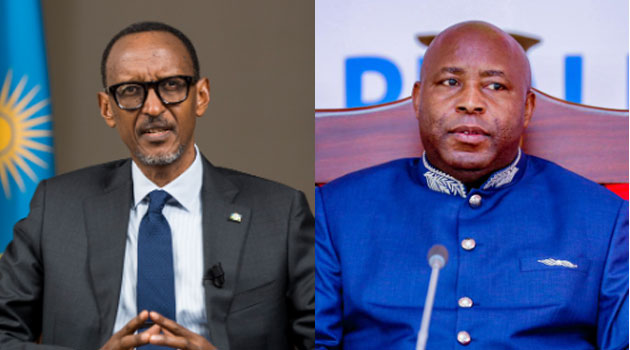
The border closure came after weeks of escalating exchanges between the two countries with President Evariste Ndayishimiye of Burundi accusing Kigali of training rebels.
Hosting rebels
Ndayishimiye accused Rwanda of hosting the Red Tabara rebel group which claimed responsibility for an attack near Burundi’s western border with the Democratic Republic of the Congo (DRC).
The Burundi-Rwanda row threatens to destabilize EAC which has been on a quest to expand having onboarded Somalia and DRC as its newest members.
The bloc which started with Kenya, Uganda and Tanzania in November 1999.
Rwanda and Burundi joined the bloc in 2007 while South Sudan became a member in 2016.
DRC became the seventh member in 2022, Somalia becoming the eighth in 2023.
Frosty relations
Despite the ambitious expansion of the bloc, relations between Partner States have been frosty amid accusations of destabilization and meddling among Member States.
Uganda and Rwanda for instance only reopened their borders in January 2022 after a three-year closure. Kigali closed border posts after accusing Kigali of supporting dissidents keen to unseat President Paul Kagame.
Rwanda has also been engaged in a protracted battled with DRC with Kinshasa accusing Kigali of backing the M23 rebel group in Eastern Congo.
An EAC Regional Force deployed to the volatile region in 2022 ended its mission later in 2023 after the bloc’s Summit approved the termination of the mission.
DRC repeatedly accused the EAC Regional Force of siding with M23 rebels, impeding the mission.
DRC President Felic Tshisekedi recently vowed to declare a war on Rwanda.
“I will request parliament and Congress to authorize a declaration of war. We will march on Kigali. Tell Kagame those days of playing games with Congolese leaders are over,” he said during campaigns leading to the 2023 presidential election.
The Rwanda-DRC row remains unresolved with mediation efforts by Angola bearing little results.