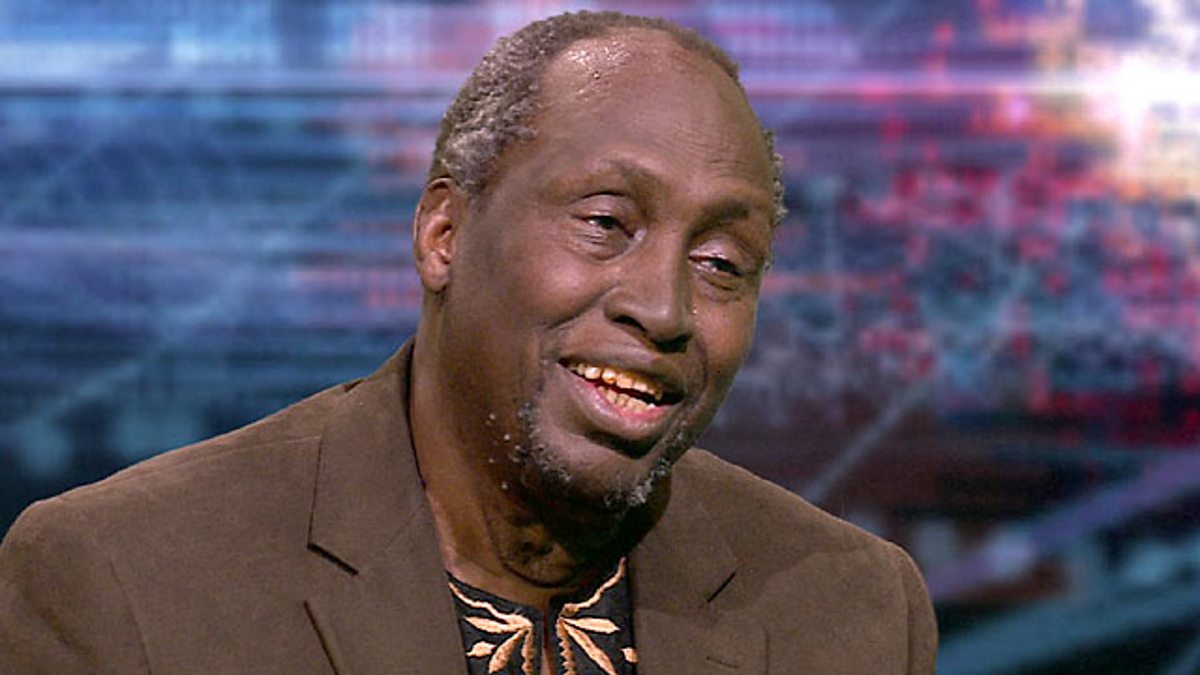
Micere Mugo and Ngugi wa Thiongo in Kenya and Dennis Brutus in South Africa remain the foremost inspirational writers of all time who wrote from the African consciousness with profound effect. In fact, anything they wrote, and I’ve read everything they wrote, was drawn from the consciousness of their realities with a stark touch spirit of stoic determination.
At the dawn of nationhood, Micere and Ngugi not only captured the essence of disenchantment but also aroused the spirit of stoic determination and the culture of never resigning to fate against the yoke of post-independence disillusionment. In Ngugi’s A Grain of Wheat Gikonyo comes back from incarceration with great expectation – to be with Mumbi, the wife he left just after their love story had blossomed to marriage. His hope of a happy reunion with his beautiful wife turns to utter disillusionment when he finds his wife is expecting the child of another man. The crestfallen Gikonyo just like the mother to the small kid in Micere Mugo’s seminal poem, I Took My Son by the Hand, does not fall for long. He picks up and as Ngugis seminal novel comes to an end we see Gikonyo is being productive, he is engaged, and he is determined. In Micere Mugo’s poem, while the small boy’s question on whether they have matunda ya Uhuru in their hut get an affirmative response, his plea to eat matunda, even though there was none at home, is not met with a negative response. The mum is not resigned to the disillusionment of a nationhood celebration without the fruits of nationhood, she is actually determined to get the best for her son as she tells her they need to get home before it is dark. Her response evokes the spirit of Kenyans captured in these greats works of art that were built on the Kenyan conscious back then that is lacking today. But the son is also a great hero, a hero who is not only perceptive, but also inquisitive and interrogative, a trait that is lacking among many of us today.
It does appear that instead of asking tough questions on matunda of economic liberation, of robustly door stepping on the establishment to keep our collective agenda after the elections going, we are conceited. We are comfortable with little glimmers of home. We celebrate tokens in the name of you cannot be out of government for five years. We are happy with the statistics that tell us the numbers of Kenyans who have borrowed and paid the hustlers’ fund. We are not asking tough questions on the savings on the borrowings from the hustlers’ fund and where savings are deposited and how we will access the savings. Probably we don’t even know the right questions to answer. Because how do these numbers peddled on social media add to our economic growth? In our hut called Kenya, we need to know whether the disbursement of the hustlers’ fund has some matunda for us. We don’t interrogate why we lose the control to our mpesa pin for as long as we still owe the fund management that is somewhere we don’t know. We are comfortable because there is the second phase, and we have something to look forward to so much so that we see no reason to interrogate the present.
We are banking on hope rather than resilience and today we need to be reminded of Ngugi wa Thiongo, Micere Mugo and Dennis Brutus works that should push as to the edge to ask for more. To keep asking those difficult questions and ask the president and his deputy remind us, they need a strong oversight. Like the prisoners in Dennis Brutus poem Today in Prison, we may need to dispense with hope as a strategy, but with tears close and sharp brace ourselves for a tough 2023 with resilience. The prisoners in this poem, under the yoke of the injustices of the apartheid regime, were “tacit (in) agreement” – they sang the ANC freedom song now the South Africa national anthem Nkosi Sikelel’ iAfrika. We need an expressive culture as espoused by the characters in Ngugi, Micere and Brutus’ works of art. A culture that will question where the subsidies to fuel, school fees in high school and the programmes such as Kazi Kwa Vijana have gone to. An expressive culture that will keep the establishment on toes, because keeping them on toes will not only disrupt any potential mischief but guarantee that the people benefit from the many promises that the establishment made as they were seeking for power. There is nothing to lose in being expressive and stepping on those lanes that the establishment would rather we don’t. A government that rides on promises is only as good as the extent to which there is a vibrant and self-regenerating expressive culture that calls it out and holds it accountable.