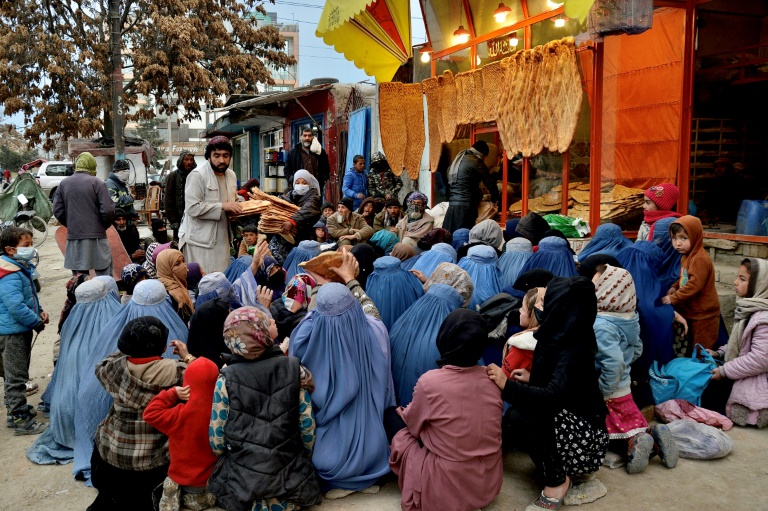
KABUL: Due to decades of conflict, little rainfall, drought conditions, and a donation-based economy, among other things, two-thirds of the population of Afghanistan is in urgent need of humanitarian aid, Khaama Press reported.
A senior UNICEF official stated on Thursday that inadequate financing had negatively impacted food relief efforts in Afghanistan. According to the report, the nation’s access to international humanitarian aid has declined.
In comparison to the severe humanitarian crisis that the majority of the Afghan population is currently experiencing, the UN’s Afghanistan humanitarian response plan for this year is only 7 per cent financed, according to Khaama Press.
The most recent report from the World Health Organisation estimated that 6 million people are at risk of famine and that approximately 20 million people are suffering from extreme hunger in Afghanistan under Taliban rule. According to several media reports, the humanitarian crisis has gotten worse since the Taliban took back control of Afghanistan in 2021.
Earlier today, Khaama Press reported that the Moroccan locust, one of the most economically destructive agricultural pests in the world, has been spotted in numerous provinces of Afghanistan, mostly in the north and northeast, at various stages of development.
Apparently, it can destroy wheat fields in the country, resulting in an upsurge in the food crisis. The Food and Agriculture Organisation reported that this spring’s locust outbreak in northern Afghanistan was caused by inadequate rainfall, a drought, and overgrazing.
The economic and political situation of Afghanistan has only gone worse since the Taliban took control of the country in mid-August of 2021.
Afghanistan is currently grappling with a serious humanitarian crisis as according to international assessments, the country now has the highest number of people in emergency food insecurity in the world.