
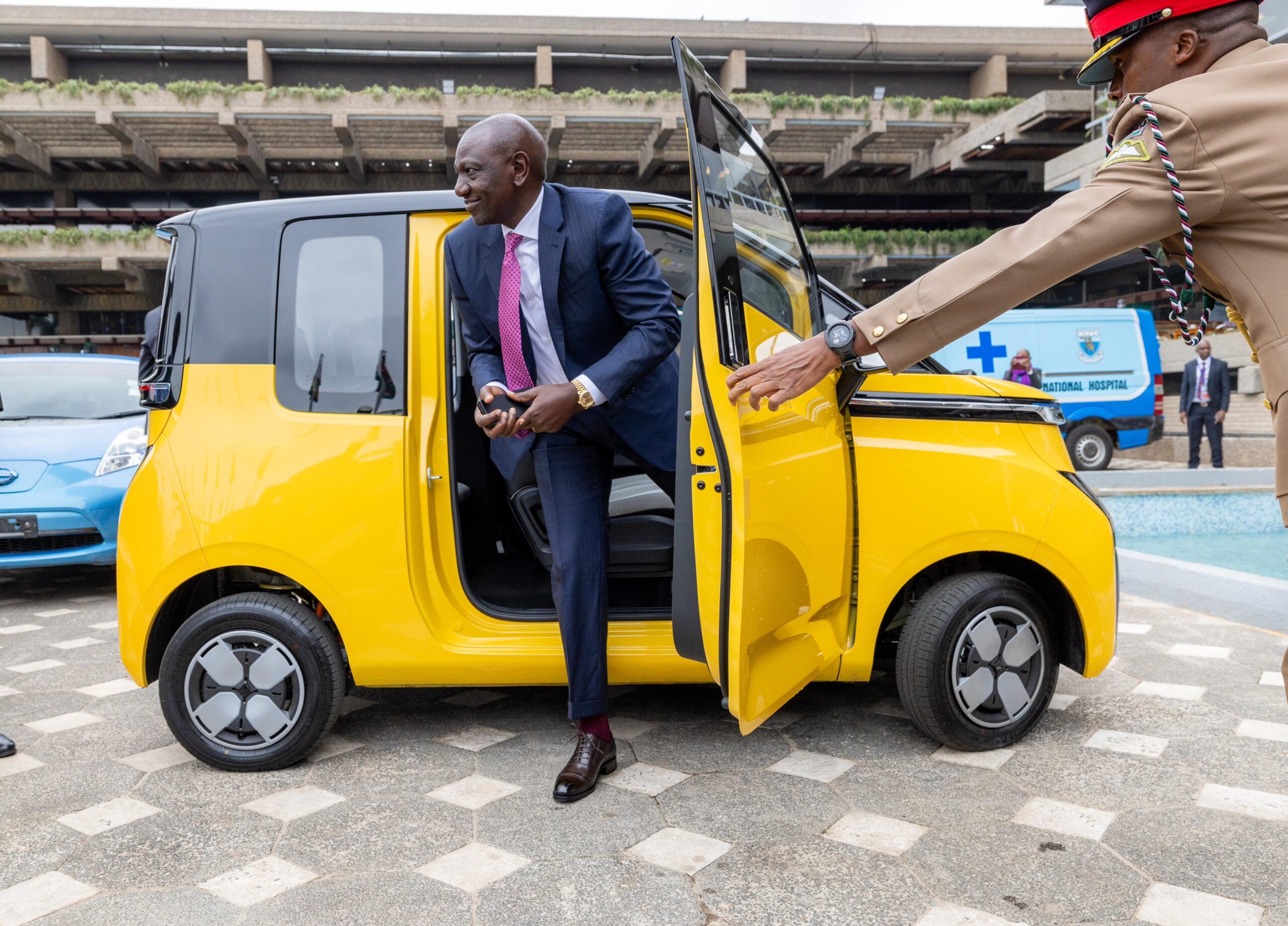
Hey! The future of transportation is electric, and China is playing a leading role in shaping that future.
I hardly write on technology, but because this has to do with Electric Vehicles, I have taken time to grasp it well because we are living in the ‘future’.
In the rapidly evolving landscape of the global electric vehicle (EV) market, China stands out as a shining beacon of growth, innovation, and unrelenting commitment to sustainable transportation.
As the European Union contemplates measures to curtail the rapid introduction of Chinese cars and technology, it is essential to recognize that China’s EV industry is on an unstoppable trajectory, poised to become the market leader. Attempts to restrict its progress not only hinder technological advancement but also curtail the immense opportunities for cooperation in a rapidly changing industry.
China’s electric vehicle market is experiencing explosive growth, with an estimated revenue of $292.1 billion in 2023, if latest statistics is anything to go by. The market is expected to continue its upward trajectory, with a projected compound annual growth rate (CAGR) of 6.38% from 2023 to 2028. Several factors are propelling this remarkable growth, chief among them being China’s commitment to the 2060 carbon neutrality plan. As a result, the government’s generous subsidies and incentives are instrumental in encouraging consumers and manufacturers to embrace electric mobility and contribute to the expansion of the EV market.
It’s essential to recognize that technology knows no boundaries. Attempts to stifle its progress or limit its reach are ultimately futile. The global automotive industry is a testament to this. In its journey to becoming a dominant force in the auto industry, China is displaying the same trajectory that Japanese and South Korean automakers followed. These countries initially introduced less impressive cars but progressively improved their offerings, leading to widespread popularity.
What the European Union needs to grasp is that the automotive industry is a complex, interdependent ecosystem that thrives on cooperation. Instead of curtailing the advancement of Chinese-developed technologies, the EU should seek collaborative opportunities that benefit all parties. Oliver Zipse, the Chairman of the Board of Management of BMW AG, aptly states that it’s impossible to decouple from China. China’s significance in terms of raw materials, manufacturing competence, and economic size makes it a critical player in the global auto industry.
China’s electric vehicle industry is setting the pace at both the European and global levels, driven by its cutting-edge technology, innovative marketing models, and competitive pricing. Brands like BYD, NIO, Xpeng, Hongqi, and Lynk & Co are making significant inroads into the European market. According to auto consultancy Inovev, Chinese EVs accounted for 8% of new EVs sold in Europe in the current year, up from 6% in 2022 and 4% in 2021. This rapid growth is not solely attributable to competitive pricing but is a testament to the quality and appeal of Chinese EVs.
This year’s International Motor Show (IAA) in Munich, Germany, witnessed a strong Chinese presence, with over 70 Chinese carmakers and suppliers showcasing their products and services. This impressive showing underscored China’s global ambitions in the EV market and highlighted the growing acceptance of Chinese EVs on the international stage.
China’s ascendancy in the EV sector is not an isolated phenomenon. It is part of a broader trend in the global automotive industry’s transformation. As the world moves toward sustainable transportation, cooperation and collaboration between regions and nations become imperative. China’s progress should be seen as an opportunity for mutual cooperation, learning, and growth. The European Union should leverage China’s experience to further accelerate its own electric vehicle transition, making it a win-win situation for both.
It is therefore, imperative for the world to recognize that China’s electric vehicle market is unstoppable, driven by innovation, government support, and an unyielding commitment to sustainability. Attempts to restrict or slow down its growth will not deter China’s rise to becoming a global leader in the EV industry.
Instead, a cooperative approach, with a focus on shared learning and growth, can benefit not only China and the European Union but the entire world as we collectively strive for a greener and more sustainable automotive future.
Elijah Mwangi is a scholar based in Nairobi; he comments on local and global matters.