One of the most important elements in a democracy is independent and plural media. In fact, in the US democracy the media technically calls the elections. They feed the nation with information that is verified and accurate and probably go the extra mile to interrogate the electoral process. Well, the US media like media in many parts of the world has been accused of commercialization and corporatization with claims that the citizenry is sold to the highest bidder. But it does seem that the corporate muscles of the US media have benefited the citizenry because they seem to have some trust in the media when it comes to the elections.
Today in Kenya, there is an amendment bill that is raising some critical questions around the intentions behind the amendments, but politics aside the pertinent issues indict the media. The history of the media and the elections in Kenya is fairly checkered and of significance is what live transmission is and the extent to which the media, though plural and fairly dynamic has the wherewithal to say that the coverage they give any elections in Kenya is representative of the country.
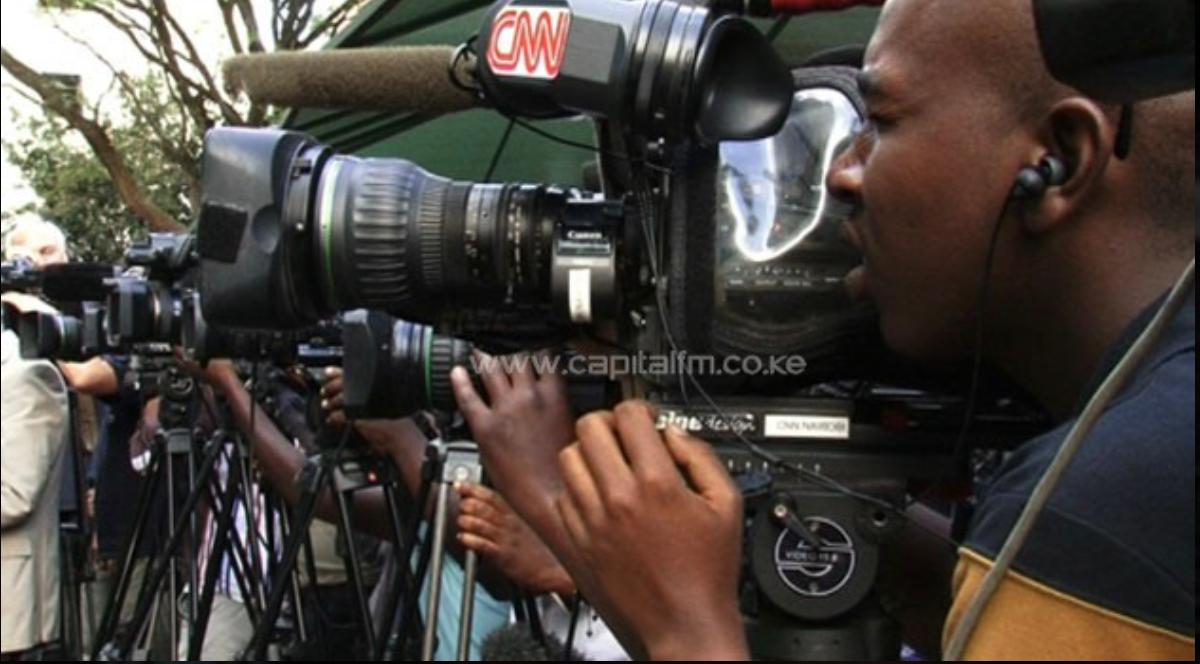
You see, as results trickle in and there happens to be glaring disparities, would the media interrogate and give us behind the scenes happenings and act on any intended or unintended electoral injustice through disclosure? The truth of the matter is that media houses in Kenya would be hard stretched to even say that they have the infrastructure to cover the elections, especially voting and tallying in all the polling stations comprehensively.
Interesting and unbeknown to Kenya, even your favourite vernacular radio station might not be having even a single correspondent in your county. It is probably broadcasting from Nairobi, and making money by selling your attention to the highest bidder. The same outlet will be bringing you news about voting in your hamlet, probably as reported by the electoral body. The pertinent question herein lies in the fact that often the public has had this belief that the media is giving a wall to wall coverage of the voting and tallying and the risk of in the current mediatized world is the possibility of creating false perceptions that can arouse unnecessary emotions.
A recent study that mapped the broadcast media and news bureaus in Kenya established that the major news media organisations have their news bureaus established in only nine counties: Nairobi, Mombasa, Kisumu, Nyeri, Eldoret (Uasin Gishu), Nakuru, Kakamega, Kisii and Meru. The study also established that there is a positive and direct correlation between the establishment of news bureaus and the number of journalists and correspondents in a county. These nine counties can be said to be in an elite cluster and the media not only has presence, but consider news in these areas as critical to the public.
The second cluster of 24 counties do not have media establishment or news centres but are less than 200Km from a news bureau. They include Kwale, Kilifi, Tharaka-Nithi, Embu, Machakos, Nyandarua, Kirinyaga, Murang’a, Kiambu, Trans-Nzoia, Elgeyo-Marakwet, Nandi, Baringo, Laikipia, Kajiado, Kericho, Bomet, Vihiga, Bungoma, Busia, Siaya, Homa Bay, Migori and Nyamira.
The third cluster of 14 counties are 200Km far off from a media establishement or a news bureau and the counties in this cluster are Narok, West Pokot, Samburu, Isiolo, Kitui, Makueni, Taita Taveta, Tana River, Garissa, Lamu, Turkana, Marsabit, Wajir and Mandera. The last three are technically in news deserts as they are more than 400 KM away from the nearest news bureaus.
As politics of succession and double-speak take centre stage the media should strive not to play to the gallery and holler about freedom media, but introspect. Nevertheless, as citizens we need to wake up and smell the coffee. We must interrogate the amendments and call out any attempts to claw back on legislations that have contributed to free, fair, transparent and verifiable elections. But even as we do that we need of necessity ask of the media whether democracy is just about coverage of elections and voting. You see, the guy in the counties that are far removed from news bureaus and news media establishments is poorly informed throughout the five-year cycle yet the continuous supply of information throughout the term of a leader seeking re-elections is part of what makes a democracy solid.
Therefore, we may want to use this time to call on the media to think of coverage, not just of the elections but our democracy and the institutions that support democracy. We may want to interrogate why there is a call to allow the media to set up tallying centres yet the reality on the ground is that they hardly have reporters, sometimes rely on social media and third parties and often they cause confusion.
Probably the question should be, why a media system characterised by hyper-commercialised media outlets that rarely covers the far-flung regions want to outdo itself on the voting? When you have tallying that is driven by media houses that choose where to send their reporters you run the risk of having skewed relay of the votes as they come in and in this era of misinformation and alternative facts, we need to guard against laws that claw back on the gains we have made in our democracy, but also interrogate the growth of the critical institutions that are critical in nurturing democracy.
The author is a PhD Candidate in Media Studies and Political communication.