
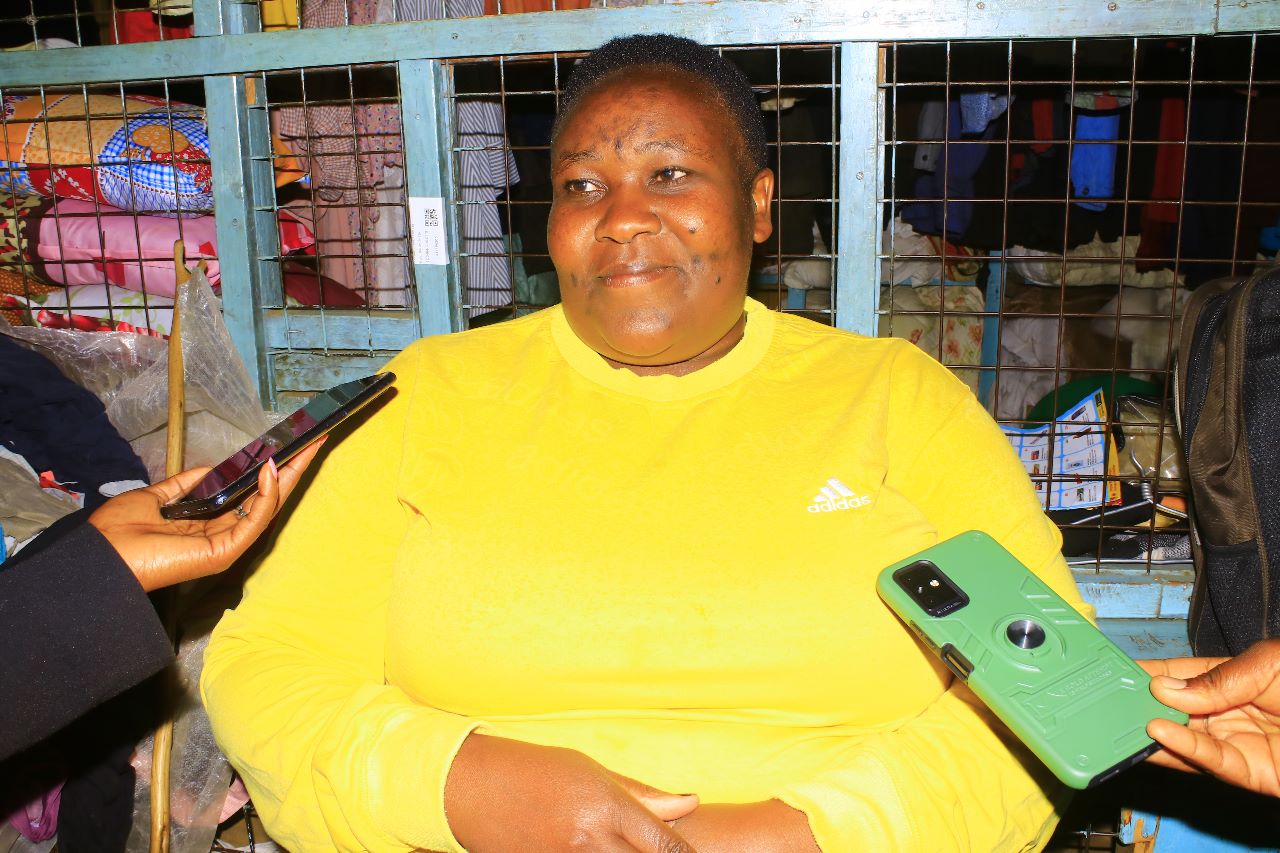
KISII, Kenya, Apr 13 – Digital technology is a powerful drive of gender equality in the sub-Saharan Africa, by providing women and girls with access to new information, opportunities, and resources that were previously unavailable to them.
Women especially in the rural parts of Kenya were forced to make baby steps in using technology tools during the onset of Covid19 in 2021 and many have perfected the art of making use of their phones to access information on health, education, job opportunities and legal rights.
They actively trade in online business by purchasing different products at their convenient times and this helps them make informed decisions about their lives saving them time and money.
Post Covid19, women in rural Kenya have adjusted to undisputable transformation of a new world of digital technology which has since made their lives comfortable and easy especially when doing online shopping which has been in existence for decades in larger cities in the world.
Before COVID-19, Digital technology was already the world’s fastest-growing sector, spurred by the Fourth Industrial Revolution. stay-at-home orders required most of the world to shift to virtually-enabled work, school, healthcare, shopping, and social events.
A Mastercard study reveals that about 79 percent of Kenyan consumers shop online since the onset of Covid19 pandemic.
40-year-old Judy Wairimu from Masimba location in Nyaribari Masaba Constituency in Kisii County narrates that during the Covid19 pandemic, shopping on market days in their small shopping center became difficult with the country’s guidelines of lockdowns and stay at home orders to contain the virus and adjusting to the new way of living was so challenging forcing many people to go for days without some household products they needed.
“Covid19 came with anxiety, I remember my family going for weeks without household commodities such as cooking oil and sugar because the small kiosks in the village closed down in fear of contracting the virus,” said Wairimu.
A few months later, her close friend who owns a Mutumba shop contacted and informed her that she has found a side hustle opportunity to work with Copia Global, a retail distributor as an agent and those around her would shop online and pick their products from her Mutumba shop as an agent.
Wairimu visited Njeri in her house which is located at Masimba shopping center, here Njeri took her through on a few steps downloading the Copia app and taught her how to place orders using her phone and later receive her shopping from the agent.
She was the first client to Wairimu and the two had given it a benefit of doubt, here she shopped for products worthy Sh500 while Wairimu shopped for products worthy Sh800 to give it a trial, they were able to receive their products the following day.
“Since then life became easy, sitting in my house and shopping online, I realized how much time I wasted setting a whole day a side to travel to Kisii town shop and also on market days have to get some two hours to visit and buy some household products,” said Wairimu.
After shopping for several times she educated a group of women in their merry-go-round savings group who were always on hurry or late during their meeting for having time to go and shop, she became their teacher and helped them follow steps of using the Copia app and shop online.
For those who didn’t have smart phones, she referred them to her argent and whenever they would like to shop at their convenient times, they would place orders and pick their products a day after and spend wasted time of travelling to shop in other activities in taking care of their families.
Njeri who is their agent says her customers increased gradually though referrals from her customers and most of her clients are women who are between 25 to 60 years.
She stated that one of the biggest challenge she is currently facing is impatience from some of the customers who demand delivery immediately, she has to take time and explain to them to do the pick up only when they receive messages indicating their products have been delivered at my door step.
Copia’s Vice President Marketing East Africa Catherine Mudachi says they are committed in Making life easy for their customers, customers can browse on their website or use the Copia app and purchase from a portfolio of over 5,000 products.
Mudachi says this online shop gives Women access to digital technology and have access to essential quality products saving them with time and money, these agents and customers can place orders pay with mobile money and get update about their products.
“Our online platform allows residents in rural areas such as Kisii, Migori and Nyamira counties to place orders and get them delivered for free,” says Mudachi.
Kisii County Women Representative Dorice Aburi says Women have great potential in online entrepreneurship which is an avenue for women’s inclusion in the digital economy with access to a better market and make informed decisions when trading.
However, the digital market, Aburi says women drag behind in the digital economy than men despite being the biggest consumers aggravating to existing gender inequalities.
“We need to increase women’s participation in e-commerce and digital economy by understanding the needs women entrepreneurs and customers face and provide permanent solutions to them,” says Aburi.
She recommended that stakeholders in the digital economy industry should bring the voices of women players and also have more women in leadership roles, involve them policy making for effective policies to address obstacles women face in the digital economy.
Statista Digital Market outlook indicates Online retail in African countries has grown fast in the recent years and this trend is likely to increase due to its youngest and largest population globally thus increasing the digital audience.
Mobile e-commerce dominated in African countries, as at 2021 whereby Morocco recorded the highest share online shopping accounting to 59 percent of the total e-commerce while Kenya and Nigeria recorded 55 percent and 49 percent respectively.