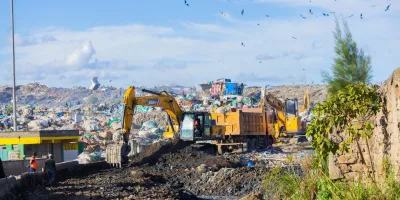
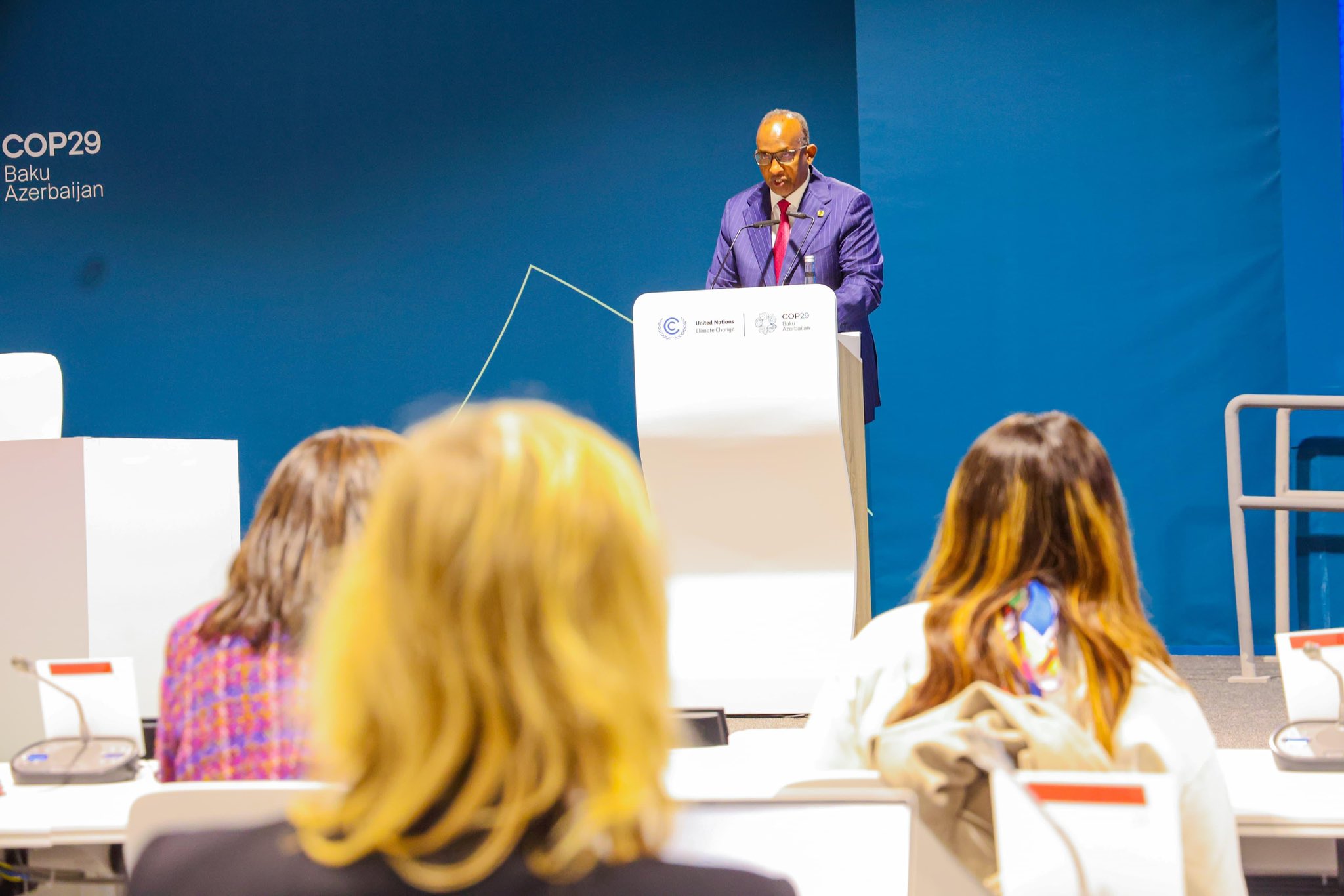
BAKU, Azerbaijan Nov 13 – Kenya is taking bold steps towards sustainable waste management, with new measures introduced under the National Sustainable Waste Management Act 2022.
Environment Cabinet Secretary Aden Duale, who is taking part in the COP29 Climate Conference said the new law mandates that households separate their waste into three categories: organic waste, dry recyclables, and hazardous items.
“Households will be provided with green bags for organic waste, blue bags for dry recyclables, and red bags for hazardous materials,” Duale said.
Under the new regulations, waste collection trucks will transport these separated items to a Material Recovery Facility.
“At the facility, we will have two main chambers: one for sorting wet waste and the other for dry waste,” explained Duale. “Hazardous red-bagged waste will be sent directly for incineration.”
And to ensure full traceability, Duale emphasized that trucks will carry NEMA-issued tracking documents and follow designated routes to certified disposal sites. “This will allow us to track waste from homes to the final disposal points,” Duale added.
NEMA has already issued closure notices to 145 industrial facilities along the Nairobi River basin if they fail to comply after they were identified as worst polluters.
“These facilities have malfunctioning Effluent Treatment Plants (ETPs) and are responsible for a significant portion of the pollution,” he noted. NEMA has issued restoration orders to these facilities, with the possibility of closure if they fail to comply.
Contrary to popular belief, Duale said informal settlements contribute to just 1 per cent pollution of the river.
“Waste from informal settlements contributes less than 1% to the pollution of Nairobi’s rivers, and can be managed effectively using these eco-friendly technologies,” Duale said.