As we embrace the dawn of a new year, the world’s fastest-growing major economy, China, ushers in a profound and vibrant celebration known as Lunar New Year, or Spring Festival. This ancient festival, deeply rooted in Chinese culture and tradition, holds a special place in the hearts of billions around the globe.
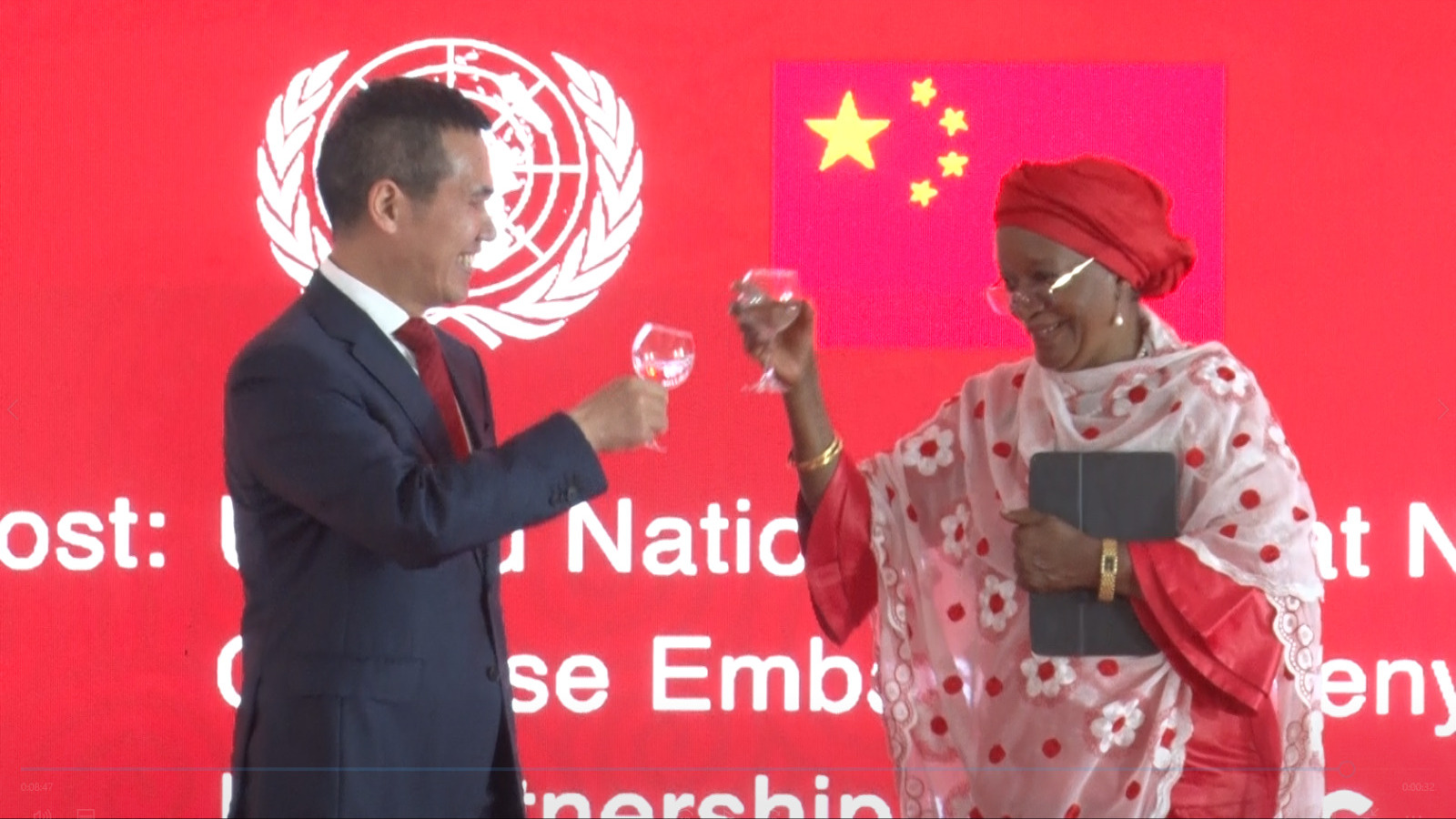
In recent years, it has transcended national boundaries, resonating even at the United Nations Headquarters in Nairobi, Kenya, where the Chinese Ambassador to Kenya, Zhou Pingjian, led a remarkable celebration last week.
The celebration of Lunar New Year at the United Nations Headquarters in Nairobi takes on special significance, following the UN’s official recognition of the holiday as a floating holiday. This recognition underscores the global importance of the festival and its role in promoting cultural exchange and understanding among nations.
The Lunar New Year, often characterized by the world’s largest human migration, symbolizes more than just a calendar event; it represents the essence of China’s rich heritage and the unity of its people.
Lunar New Year, also known as the Spring Festival, marks the beginning of the lunar calendar and typically falls between January 21 and February 20. For China, this festival holds unparalleled cultural significance. It is a time when families come together, irrespective of geographical distances, to celebrate their shared heritage and values. The festivities include vibrant parades, traditional dances, beautiful lantern displays, and, of course, sumptuous feasts.
At the heart of these celebrations is the idea of paying homage to one’s ancestors and ensuring good fortune and prosperity for the year ahead. Homes are adorned with red decorations, symbolizing good luck among other traditions.
I am told that the Lunar New Year transcends ethnic, regional, and linguistic differences within China. It serves as a unifying force that brings together people from various backgrounds and traditions. In a nation as vast and diverse as China, this festival embodies the spirit of unity and solidarity.
Therefore, Ambassador Zhou’s leadership in celebrating the Lunar New Year at the United Nations Headquarters in Nairobi is a testament to China’s commitment to sharing its culture and values with the world. It highlights the importance of cultural diplomacy in fostering international understanding and cooperation. By extending the festivities to a global platform, China promotes unity and harmony among nations, transcending cultural boundaries.
One of the most remarkable aspects of the Lunar New Year is the immense travel undertaken by hundreds of millions of people. This annual migration, often referred to as the world’s largest human migration, sees Chinese citizens returning to their hometowns to celebrate the festival with their families. The sheer scale of this migration is awe-inspiring, with the Chinese Ministry of Transport estimating that over three billion trips, or more, are made during this period.
The reasons for this mass movement are deeply ingrained in Chinese culture. It reflects the strong bonds of family and the importance of being together during this auspicious time. It is a testament to the enduring values of filial piety and unity that continue to shape Chinese society.
The Lunar New Year also has a profound impact on China’s economy. The tradition of giving and receiving gifts, coupled with increased consumer spending on travel and entertainment, boosts various sectors of the economy. As families prepare elaborate feasts and purchase new clothes for the occasion, businesses experience a surge in demand, contributing significantly to the country’s economic growth. No wonder it leads the pack.
In recent years, the Lunar New Year has gained global recognition and celebration. Cities worldwide host events and festivals to mark the occasion, allowing people of diverse backgrounds to experience and appreciate Chinese culture. This global reach underscores the festival’s ability to foster cross-cultural understanding and promote unity among different communities.
That is why the celebration of the Lunar New Year at the UN Headquarter is an embodiment of China’s commitment to international cooperation and cultural exchange. It is a reminder that the world is becoming increasingly interconnected, and celebrating diverse cultural traditions can pave the way for a more harmonious global community.
In a rapidly changing world, the Lunar New Year serves as a touchstone to China’s enduring traditions and values. It reminds us of the importance of preserving cultural heritage while embracing progress and modernity. As China continues to grow as a global leader, it carries with it the rich tapestry of its cultural heritage, which is woven into the fabric of its modern identity.
Looking at the events lined up for the Lunar New Year, it is clear this is a celebration that transcends time and space, binding generations of Chinese people and connecting them with the world.
It is a testament to the enduring power of culture to unite people, foster understanding, and promote unity.
The recent Lunar New Year event at the UN Headquarters in Nairobi exemplifies the spirit of cultural diplomacy and underscores the importance of celebrating diversity in our increasingly interconnected world.
And so as the Chinese people welcome the Year of the Dragon, may we all find inspiration in the values and traditions that Lunar New Year represents – family, unity, and the pursuit of a brighter future. Gong Xi Fa cai.
Elijah Mwangi is a scholar based in Nairobi; he comments on local and global matters.