
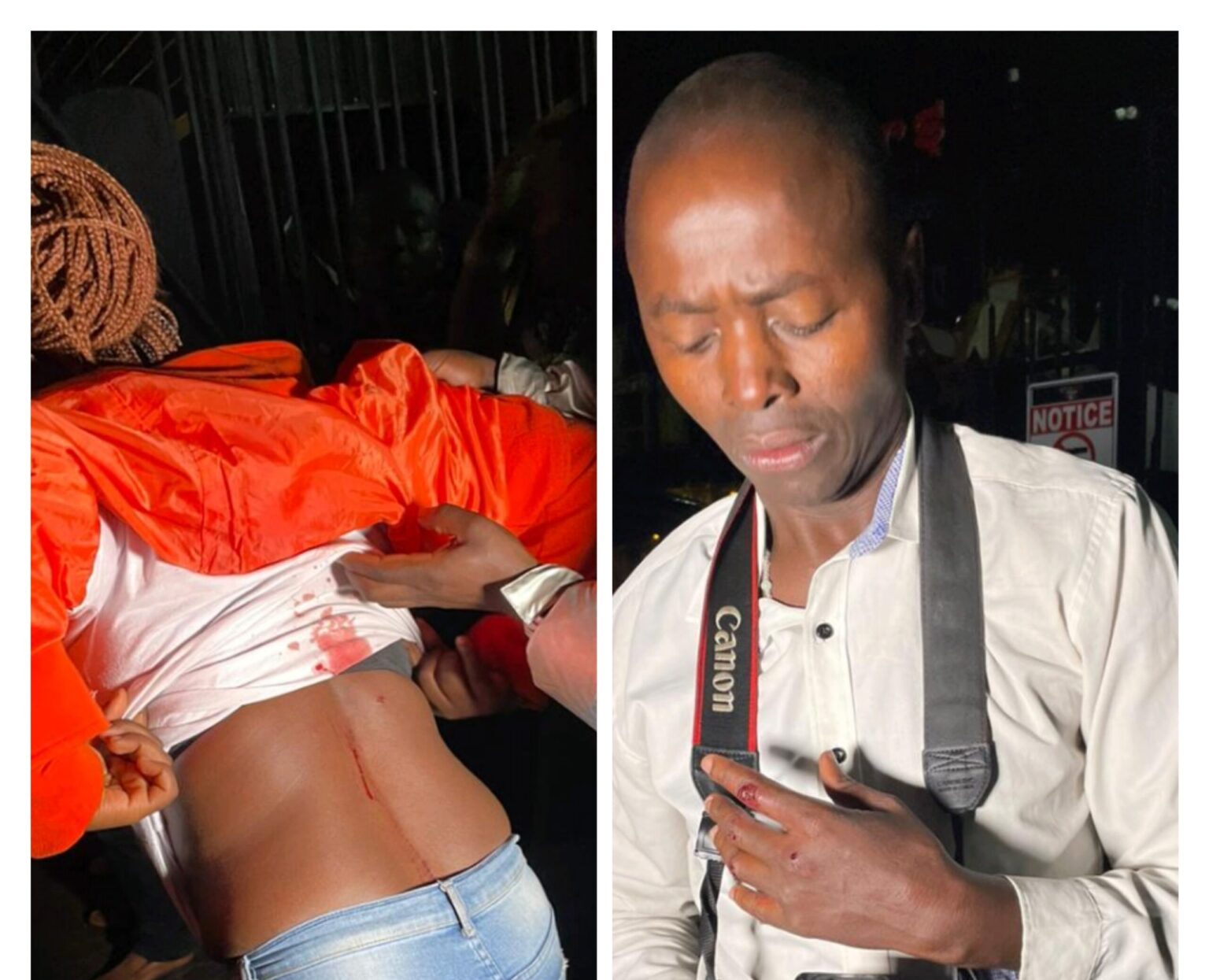
NAIROBI, Kenya, Jan 12 – The Media Council of Kenya has moved to court to demand compensation for journalists attacked by security guard at the Kettle House bar in Nairobi during an operation by the National Authority for the Campaign Against Alcohol and Drug Abuse (NACADA).
According to the organization’s Chief Executive Officer David Omwoyo, this will deter further attacks on journalists while on duty.
“If you own a premise or a space and within your space, journalists or the media get attacked, you will be held responsible for compensating people for injuries and trauma caused and all the equipment,” he stated.
“We are getting into spaces where people are taking it for granted, attacking journalists, stopping them from accessing places, destroying their equipment, cameras and so on. We have instructed our lawyers to demand compensation for the trauma and injuries on the journalists.”
The operation was specifically targeted at the establishment due to reports of it allowing patrons to smoke shisha within the club, which has ties to politician Millicent Omanga.
The incident left several journalists from different media outlets with severe injuries and provoked strong condemnation from various quarters across the country with the Kenya Union of Journalists branding it as barbaric and unjustifiable.
Among the injured journalists, Nation Media photographer Boniface Bogita was stabbed twice in the ribs but is now reported to be in stable condition.
Kenya Broadcasting Corporation journalist Jane Kibira was also stabbed in the back, while Boniface Okendo and Francis Odee from the Standard Media Group were physically assaulted, and their cameras were damaged.
Police eventually restored order and arrested the bouncers, who had tried to evade capture by changing their attire and hiding in the bar’s toilets.
The incident has highlighted concerns from local residents who have complained about the club’s excessive noise levels and apparent disregard for complaints.
The crackdown on shisha was led by NACADA Chief Executive Officer Antony Omerikwa and Head of Enforcement Nicholas Kosgei. Kosgei reported the successful arrest of multiple suspects and the confiscation of shisha pots during the operation.
Kenya banned shisha in 2017, prohibiting all aspects of its use, import, manufacture, sale, promotion, and distribution, with penalties starting at Sh50,000 in fines or a minimum jail term of six months. Kenya joined neighboring East African countries Uganda, Tanzania, and Rwanda in outlawing shisha use.