NAIROBI, Kenya, Aug 14 – There has been a significant shortage of rice available in the country following the destruction of hundreds of paddy rice fields in Mwea Rice Scheme by an allien snail.
Farmers in Kirinyaga County say the snail is destroying their crop in Tembere and Ndekei scheme’s at an early stage, this lowering production of rice by 20 to 30 percent per acre.
Experts from the National Irrigation Board and Kenya plant health inspectorate teams are already working round the clock to develop a pesticide to control the snail Christenised dinnosour by farmers.
The Mwea Rice Scheme has over thirty thousand acres of rice under cultivation and accounts for most of the rice produced in the country.
Farmers who spoke to Capital Business said their woes start while transplanting their rice from nurseries to farm.
“When we remove our crop from nurseries, that is when our problems start. This snail immediately strikes, cutting down our rice production by half. This has resulted to massive reduction,” said Jeremiah Mungai, a rice farmer at the Scheme said.
He says that the snail, which was introduced by a local Univesirty in 2018, was meant to control weed but has now turned to a bitter pill for them.
“We as farmers are losing a lot, currently we are producing twenty-five bags of one thousand kilogramme per acre this is lower than our usual production of thirty bags ” said Mungai.
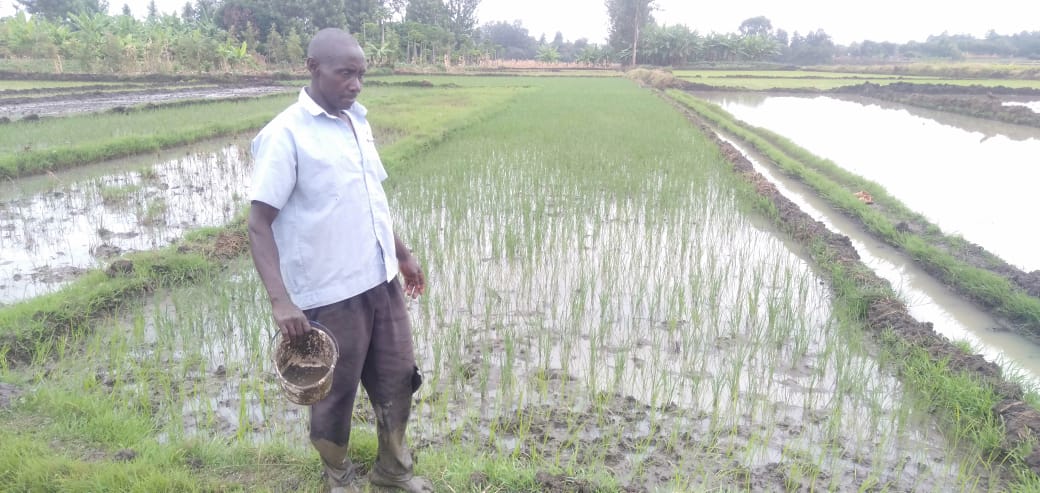
A spot check revealed that farmers in the paddy fields have resulted to removing the snail manually and disposing them by the roadside in order to save their crop.
National Irrrigation Board Manger incharge of Mwea Rice scheme Innocent Aliemba confirmed the existence of the allien snail saying that it is true farmers are losing due to the amount of destruction caused.
“We as a board are collaborating with Kenya plant health inspectorate and other teams to ensure we get the correct pesticide to contain this pest. At the moment, we have a team on the ground to ensure the work is being done” said Aliemba.