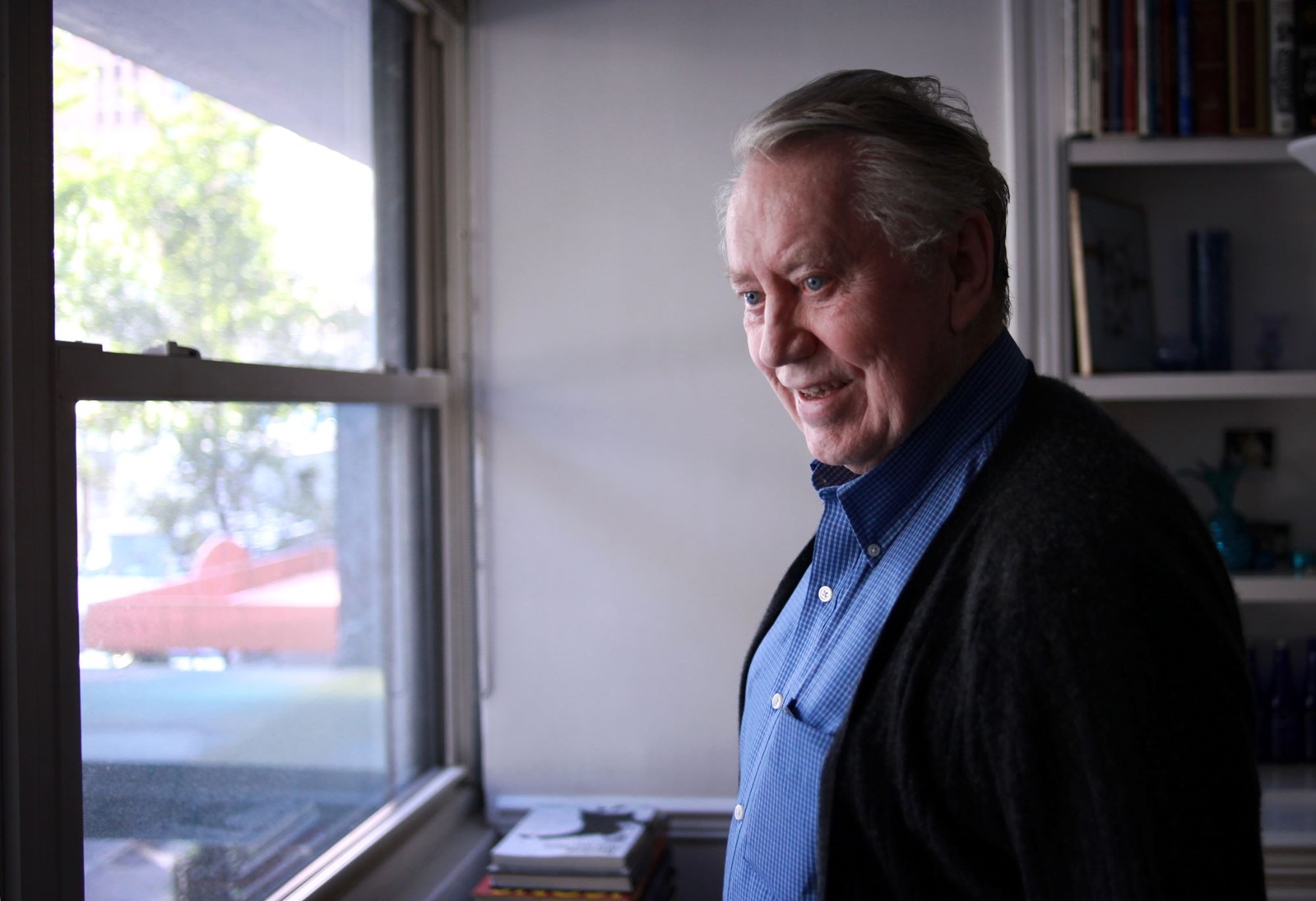
NAIROBI, Kenya Jan 25 – In his annual letter, Mark Suzman, CEO of the Bill & Melinda Gates Foundation, reflects on the remarkable legacy of Chuck Feeney, a billionaire philanthropist who passed away last year at the age of 92.
Despite his low-profile lifestyle, Feeney’s commitment to giving during his lifetime left an indelible mark on the world. Feeney’s actions resonated deeply with global philanthropists, including Warren Buffett and the foundation’s co-chairs, Bill Gates and Melinda French Gates.
Feeney’s philanthropy was not just about what he said; it was about how he executed his vision. He joined the Giving Pledge in 2011, a movement of wealthy individuals pledging to donate the majority of their wealth to charitable causes during their lifetimes or in their wills. Feeney, however, stood out because he gave away almost all of his wealth while still alive, supporting a wide range of causes worldwide, from public health in Vietnam to HIV clinics in South Africa and grassroots health care campaigns for low-income individuals.
Feeney’s humility and impactful giving inspired many, showcasing how one generous individual can initiate progress that spans generations. This spirit aligns closely with the Bill & Melinda Gates Foundation’s mission, which focuses on enabling everyone to lead a healthy and productive life, regardless of their background or location.
Suzman emphasizes that the foundation is committed to addressing urgent problems and establishing sustainable systems. The board has pledged to increase the annual payout to $9 billion by 2026, with an approved 2024 budget of $8.6 billion allocated for innovative initiatives to enhance and save lives.
Suzman says that philanthropists worldwide are stepping up to address critical global challenges, giving him hope for the future. Despite the significant challenges presented by the resurgence of extreme poverty, deadly infectious diseases, climate disasters, and conflicts, philanthropy remains a powerful force for positive change.
The Gates Foundation believes in leveraging its resources to address market failures, where neither the public nor private sectors provide sufficient incentives. They also work to catalyze action among various stakeholders to scale life-saving innovations and empower problem solvers. Suzman emphasizes that the foundation’s work is always in partnership with governments, local experts, and communities to drive progress toward mutually agreed-upon goals.
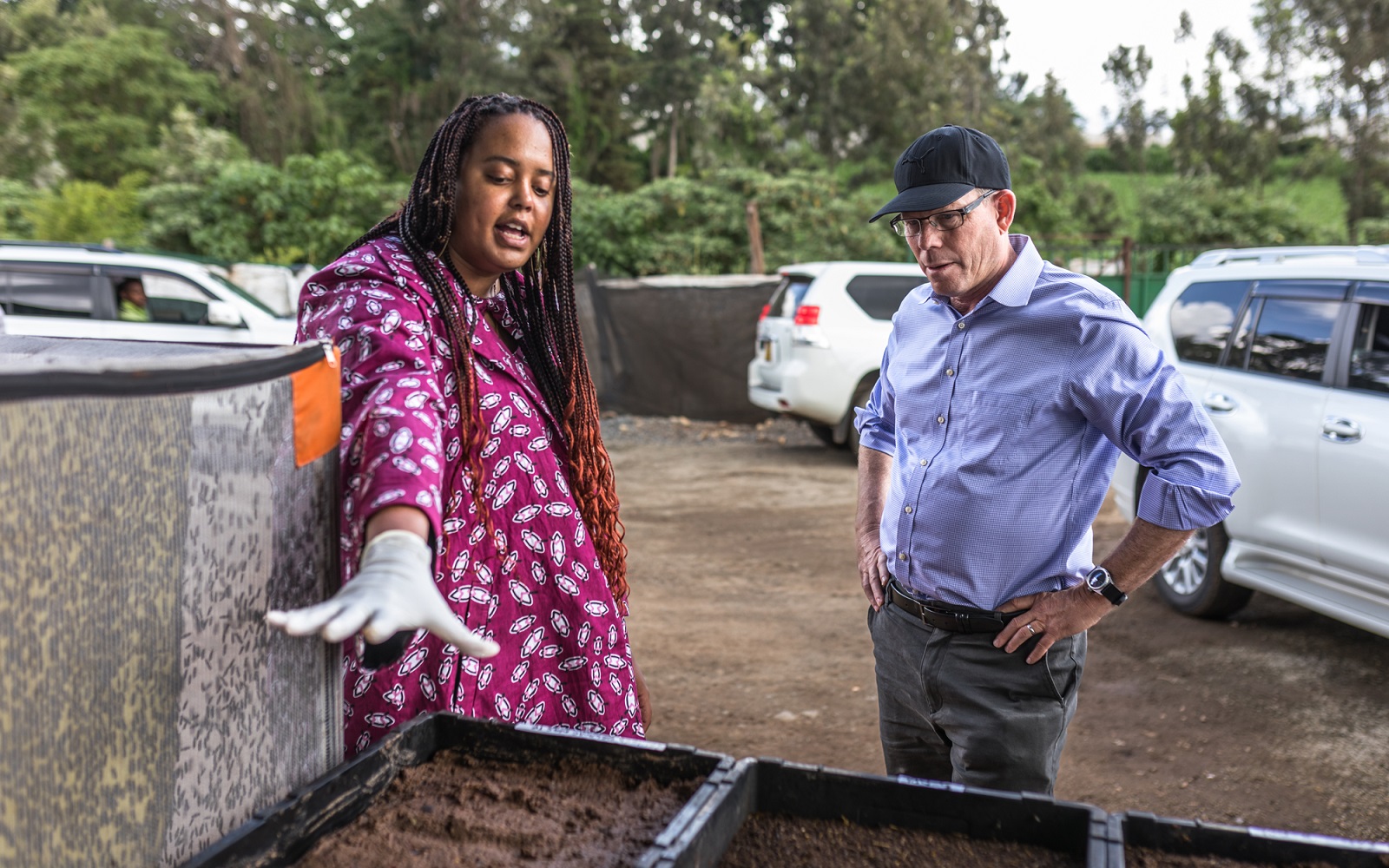
Suzman highlights two specific areas of focus for the foundation: climate change and artificial intelligence. In addressing climate change, they recognize the need to not only reduce carbon emissions but also mitigate the effects already harming communities. The Gates Foundation supports research and development of solutions for smallholder farmers in sub-Saharan Africa, where climate change disproportionately affects the most vulnerable.
Artificial intelligence is another area of interest, where the foundation is seeking equitable solutions for global health and development. They have called for proposals from researchers, with a significant focus on contributions from low- and middle-income countries. These proposals aim to use AI to advance equity in health and development, addressing critical issues like women’s economic opportunities and personalized STEM education for children.
Suzman concludes by acknowledging the growing diversity in philanthropy worldwide, with donors bringing unique expertise and innovative approaches to complex challenges. He highlights the importance of starting philanthropic efforts early, emphasizing the rewards of witnessing the impact firsthand, building strong partnerships, and gaining momentum to address long-term challenges.
Philanthropy, in its many forms, continues to play a crucial role in addressing global issues, making the world a fairer, healthier place for all.