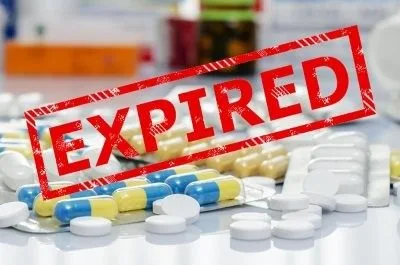
NAIROBI,Kenya Sep 18 – Taxpayers are set to lose Sh1 billion in medicines that have expired, with the Senate Health Committee demanding answers from the Pharmacy and Poisons Board (PPB) over what it termed serious gaps in the management, inspection and disposal of pharmaceutical products.
The committee raised the alarm after a Kenya Medical Supplies Authority (KEMSA) report showed that medicines worth approximately Sh1 billion had expired, prompting senators to question how such a large stock of essential drugs could go to waste.
The issue was raised during a meeting with PPB chief executive Dr Ahmed Mohamed on Thursday, as the committee chaired by Senator Jackson Mandago assessed the implementation of recommendations arising from its county oversight visits.
The Senate had earlier flagged the expiry of medicines and medical supplies worth about Sh1 billion, including commodities used in managing conditions such as cancer, HIV and malaria.
Senators questioned whether weak inspection capacity, poor stock management, procurement decisions and delays in distribution and disposal were contributing to the losses.
Mohamed told the committee that the regulator had been seeking additional funding and staff to expand its inspection capacity, saying most of its regulatory work happens before products reach the inspection stage.
“Actually, 90 per cent of the regulatory work is behind the scenes. People mostly see the 10 per cent of inspection activity, which is also the face of the institution today to the public,”he stated.
He said the Board had requested funding to recruit about 120 additional staff, amid a shortage of inspectors.
“The issue is why we pushed this budget. We wanted to employ around 120 people. We are very much short of staff,”Mohammed explained.
Mohamed said the number of inspectors was inadequate compared with the growing number of health facilities requiring oversight.
He said the Board had been allocated 45 positions in the previous financial year and had started filling them, but more staff were needed.
“Without inspectors, much more than what we can do, we cannot do anything about it.”
The staffing concerns came under sharp scrutiny from senators, who questioned how the PPB could effectively monitor thousands of health facilities with limited personnel.
Mohamed said the Board had also strengthened other regulatory functions, including product registration and post-market surveillance.
Donations blamed
The committee also questioned whether medicines donated to Kenya were contributing to the growing volume of expired stocks.
Mohamed said some of the medicines that had expired were donations.
“KEMSA has submitted to this committee that most of those expired drugs are donations from donors, and that is contributing a bulk of the expiries,”he explained.
Senators demanded to know why donated medicines nearing expiry were being allowed into the country.
Mohamed said the PPB had strict requirements on donated pharmaceutical products.
“We do not allow any product which has less than two-thirds of its shelf life.”
He said the regulator also advised government institutions and county governments against accepting pharmaceutical donations that did not meet the required guidelines.
“What usually happens is not a donation. It is dumping in most cases. So I think it is the responsibility of the institutions to follow the guidelines.”
The senators also questioned whether medicines were being manufactured or procured without sufficient regard to demand, leaving them in warehouses until they expired.
Disposable process
The Board was further questioned over the disposal of expired medicines and whether delays in obtaining approvals from other agencies were contributing to accumulation of pharmaceutical waste.
Mohamed explained that the responsibility for expired medicines begins with the institution generating the waste.
He said once medicines expire, the facility is required to notify the PPB, list the products and quantities involved and set them aside in a designated pharmaceutical-waste storage area.
PPB officers then inspect and verify the stock before the facility engages an approved waste-disposal company.
“Once we are known on site, you contact the waste generator, contact the incinerator, and the named approved site gives you a date,”he expressed.
He said PPB officers attend the destruction exercise and verify the medicines item by item to prevent expired products from being diverted back into the market.
“Our officer is usually stationed on the site from the time they begin until they finish. After that, he signs off that I have witnessed the destruction of these medicines.”
The regulator then issues a certificate confirming safe disposal.
The explanation, however, did not satisfy senators who wanted to know why such a large quantity of medicines had been allowed to expire in the first place.
Nominated Senator Tabitha Mutinda questioned why regular inspections had failed to identify the problem earlier, particularly at KEMSA, which is responsible for supplying medicines to public health facilities.
“If you do your regular inspections in KEMSA and we find ourselves in a situation where we have to dispose of drugs worth Sh1 billion, what have been your recommendations in your regular inspections for KEMSA?”she posed.
The senator said the value of the expired medicines pointed to a possible breakdown somewhere in the supply chain.
“From my seat, I would not expect, if there is regular inspection, to have such high-value drugs being destroyed.”
Unlicensed facilities
The committee also turned its attention to the licensing of health facilities and the dispensing of medicines by unqualified personnel.
Dr Mohamed acknowledged that some county governments had failed to employ qualified pharmaceutical personnel.
“To be honest with you, we have issues. A lot of county governments do not employ qualified people to dispense.”
He said the PPB had been engaging county governments and that there had been improvement.
The senators, however, demanded that all facilities dispensing medicines be properly licensed and staffed by qualified personnel.
Senator Mandago told the PPB that the regulator could no longer use staffing shortages as an excuse for failing to enforce the law.
“All facilities must have licences give them enough notice and proceed to ensure they have licenses ,”he directed.
He directed the regulator to ensure that facilities comply with licensing requirements within a reasonable period.
“Now we have no excuse. We must ensure that every facility has the capacity to operate, even if it is under control.”
The committee also questioned how facilities that are not licensed could be allowed to operate as Continuing Professional Development centres for pharmacy professionals.
Senators argued that allowing unlicensed facilities to provide professional training could undermine regulatory standards.
With the PPB facing a shortage of inspectors, senators proposed that qualified county pharmacists be trained and authorised to assist with inspections, particularly of private pharmaceutical facilities.
The committee argued that this would increase the number of facilities covered without compromising regulatory oversight.
The proposal would involve county pharmacists assisting the PPB with inspections of private facilities, while maintaining appropriate safeguards against conflicts of interest.
The committee also questioned whether pharmacists employed by public facilities were operating private businesses or leasing their professional licences.
Senators urged the PPB to use its digital licensing system to identify such conflicts and prevent public-sector professionals from improperly using their licences in private facilities.
The committee directed the PPB to implement its recommendations and submit a report to the Senate by October 8, 2026.
The inquiry comes against a wider backdrop of concerns over expired medicines in public health facilities. A Senate report earlier this year noted that accumulation of expired drugs was widespread in counties visited by the Health Committee and linked the problem to weak stock management and inadequate disposal procedures.