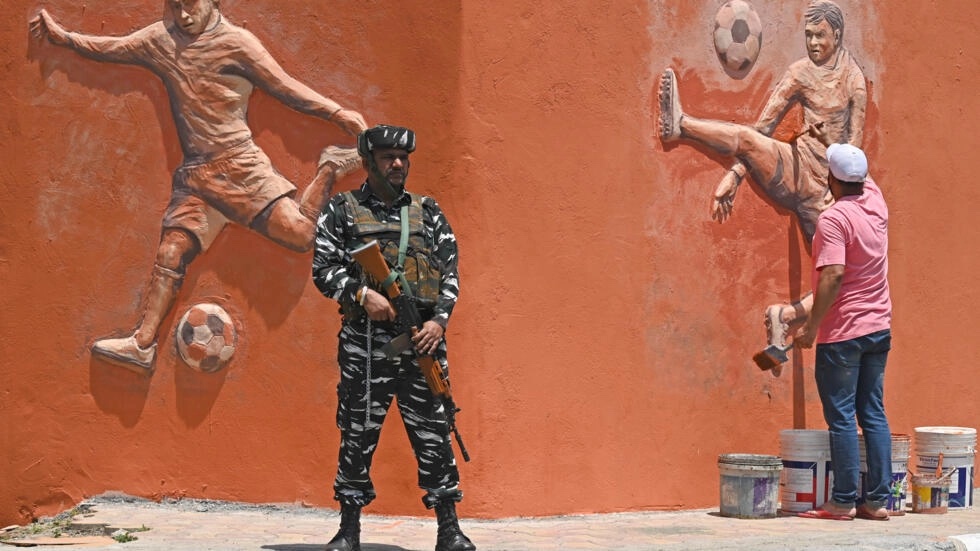
The G-20 delegates could see for themselves what Jammu and Kashmir have been through because of the conflict which was primarily being ignited, coordinated and sustained from somewhere else. Blaming someone for its dirty intrigues and machinations (cross-border terrorism) is one thing, but presenting documentary evidence of that complicity as is available in ground zero, is lending credibility to the charge.
“Conflict is development in reverse.” This finding of the World Bank makes a very strong case for development itself also being a very potent antidote to conflict. So, G20 is again a platform to present to the world how developmental processes and welfare initiatives are being used to negotiate and overcome hardships created and sustained by a prolonged conflict in the region.
All these suggestions no doubt sound quite simple and rudimentary; but it is also true that in international politics, people, sometimes, by thinking and aiming for big goals and outcomes, tend to lose sight of some of the very basic possibilities with far greater potential and promise.
Sharing these unpretentious ideas is a modest attempt to nudge some very fertile brains in the country towards thinking that G20-related events and activities, as also the profiles and clout of the participating delegates could actually be, and should be used to, create and harness their potential as “witness, referee and peacekeepers” with reference to certain aspects Jammu and Kashmir without compromising on our sovereignty in the region.
With a focus on minimising environmental damage, the government of Jammu and Kashmir is leading the way in developing environmentally friendly tourism practices that benefit both tourists and the local community.
For all parties concerned, sustainable tourism is a win-win situation. It entails promoting tourism-related activities that respect the environment, maintain cultural heritage, and support regional economic growth. Visitors may encounter a distinctive and genuine travel experience thanks to sustainable tourism, which also benefits the area and the businesses involved.