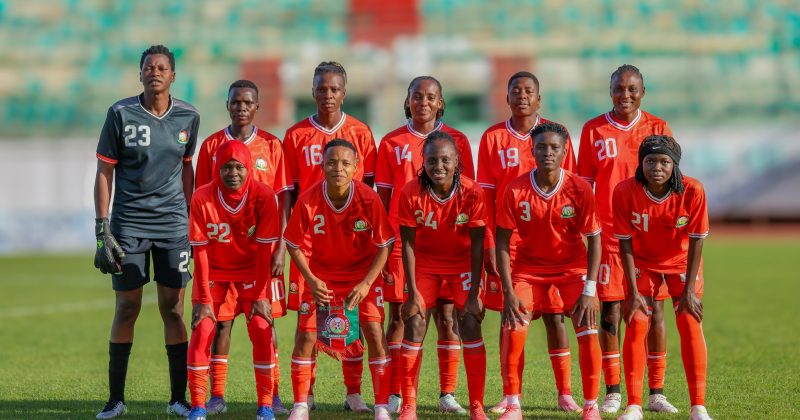
NAIROBI, Kenya, February 26, 2026 — In 2016, the Harambee Starlets arrived in Limbe, Cameroon, for the Women’s Africa Cup of Nations (WAFCON) as the “new kids on the block”.
It was a historic debut, but one defined by the harsh reality of the continental stage, three matches, three losses, and a quick exit.
Ten years later, as the Starlets prepare to head to Morocco for the 2026 WAFCON, the narrative has shifted.
This isn’t just a return; it’s a revival and it is clear that their theme for 2026 is ‘Progress, not perfection.’
Squad Evolution: From Local Heroes to Global Pros

In 2016, the squad was almost entirely home-grown, drawn from a local league that was still finding its feet. Today, the composition of the team tells a different story.
The current provisional squad named by head coach Beldine Odemba is a sophisticated blend of battle-hardened veterans and rising starlets graduates. We’ve seen the emergence of a “pro-abroad” contingent that didn’t exist a decade ago.
Players like goalkeeper Lilian Awuor (Farul Constanta, Romania), Vivian Nasaka (Turkey), and Mwanahalima “Dogo” Adam (HB Koge, Denmark) bring a level of tactical exposure that was the missing ingredient in 2016.
The most significant “Now” vs. “Then” factor is the infrastructure supporting the team. In 2016, preparations were often frantic and underfunded. In 2026, the road to Morocco has been paved with intent.
There has been elite preparation as the team is set to undergo a high-performance residential camp in Miramas, France, following crucial friendlies against Benin and Ivory Coast in Abidjan.
Unlike the shoestring budgets of the past, the government has stepped up with significant financial packages, including a recent Ksh 5 million morale booster from President William Ruto after their qualification to the WAFCON.
Coach Odemba, a CAF ‘A’ licensed coach, alongside brilliant technical staff, has successfully integrated eight players from the U20 national team, ensuring that succession planning is no longer just a buzzword but a reality.
Lessons Learned: Progress, Not Perfection
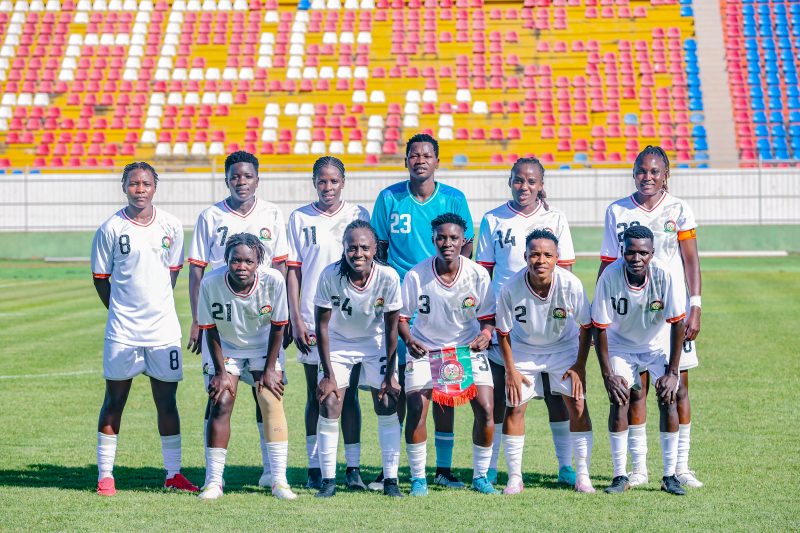
If 2016 taught the Starlets anything, it was that talent alone isn’t enough to beat the likes of Nigeria or Morocco; you need game management. In the qualifiers against Tunisia and The Gambia, we saw a more disciplined Kenyan side.
When they conceded early against Gambia in Nairobi, they didn’t panic; instead, they regrouped and won 3–1. When they went to the “hostile” environment in Senegal, they held their nerve to win 1–0. This mental toughness, the ability to suffer through a match and still get the result, is the emblem of their growth.
Is the team perfect? No. Finishing remains an area of concern, and the “Group of Death” (Morocco, Senegal, and Algeria) will be an unforgiving test. But the progress is undeniable.
The Harambee Starlets of 2026 are no longer just happy to be there. They are a team that has morphed from the shadows of a ten-year absence into the bright lights of continental contenders.
They aren’t just playing for 90 minutes; they are playing for the next generation of girls watching from the Trade Fair Grounds in Ndola to the primary school pitches in Butere.