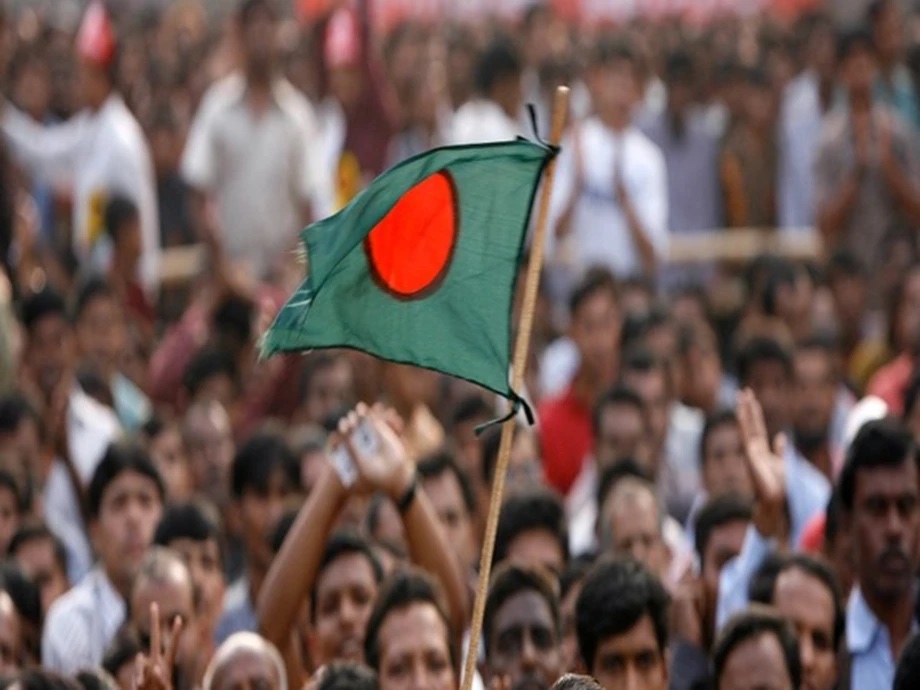
Feb 10 – Unless there is a dramatic political shift in the coming days, Bangladesh is set to hold national elections on February 12 under the interim administration led by Muhammad Yunus.
Yet even before ballots are cast, questions are mounting about what happens next — and whether the outcome will carry meaningful credibility.
The vote will mark the first election in Bangladesh’s history without the participation of the Awami League, the country’s largest political party and the force that led the Liberation War in 1971. Its exclusion has cast a long shadow over the electoral process and raised concerns about inclusivity and legitimacy.
Critics argue that the absence of the Awami League undermines the representative character of the election, while the interim authorities maintain that the process remains constitutional and necessary to restore stability following the political upheaval that led to the fall of the previous government.
In recent months, Bangladesh’s political landscape has been marked by deep polarization. Supporters of the Awami League describe the current situation as a breakdown of constitutional order, while rival parties accuse the former ruling establishment of eroding democratic institutions during its time in power.
The Bangladesh Nationalist Party (BNP) and Jamaat-e-Islami are among the key parties contesting the vote. Both parties have long-standing ideological differences rooted in interpretations of the country’s Liberation War history — an issue that has resurfaced in unexpected ways during the campaign.
A recent controversy emerged after statements attributed to Jamaat leaders suggested that Oli Ahmed — a former military officer and later political figure — declared Bangladesh’s independence in March 1971, rather than the widely debated historical claims involving Sheikh Mujibur Rahman and Ziaur Rahman. The remarks have triggered public debate and social media satire, while also exposing historical fault lines between the BNP and Jamaat over the narrative of independence.
Political analysts suggest the controversy could strain relations between opposition groups even before the polls are held.
Beyond the campaign rhetoric, the broader concern centres on what February 13 might look like. If voter turnout is low — particularly in areas where Awami League support has traditionally been strong — the results may face challenges in terms of public acceptance.
There is also apprehension about post-election stability. Some observers warn that demonstrations could follow the announcement of results, especially if losing parties contest the outcome.
Another unresolved question relates to the transition of power. Should a new government be formed, its durability and authority could be tested by questions of legitimacy and inclusivity. At the same time, attention has turned to the role of the interim leadership beyond the election date, particularly as Yunus is reportedly scheduled for official engagements abroad in March.
Whether the February 12 vote stabilises Bangladesh’s political trajectory or deepens existing divisions remains uncertain.
For many citizens, the central issue is not simply who wins the election, but whether the process can produce a government that commands broad-based legitimacy and restores confidence in democratic governance.
As the country approaches polling day, one reality is clear: the day after the election may prove just as consequential as the vote itself.