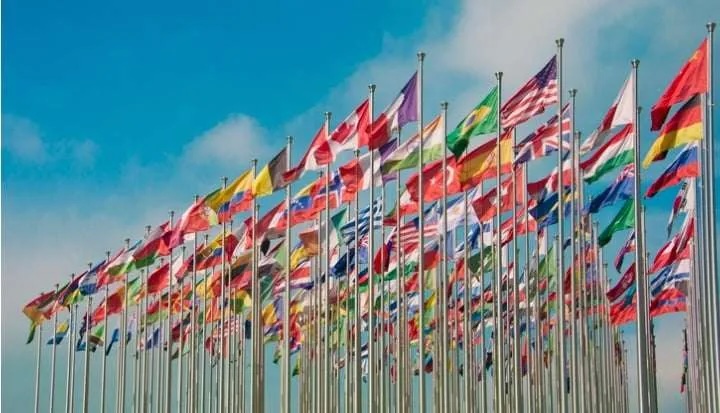
NEW YORK, Sep 22 — The Israel–Palestine question is once again centre stage at the United Nations. As world leaders converge for high-level General Assembly debates, a rush of recognitions, resolutions and vetoes has laid bare deepening diplomatic rifts.
Just days ago the General Assembly voted overwhelmingly — 145 in favour, 5 against — to let Palestinian President Mahmoud Abbas address delegates by video after he was denied a U.S. visa. In his prerecorded remarks, Abbas appealed for renewed international support for Palestinian rights and statehood.
Recognitions and backlash
Ahead of UNGA, close U.S. allies including the U.K., Canada and Australia formally recognised the State of Palestine. British Prime Minister Keir Starmer said the move was aimed at “reviving the hope of peace and a two-state solution.”
Israel reacted angrily. Prime Minister Benjamin Netanyahu called the recognitions “a prize for terrorism” and declared, “A Palestinian state will not be established west of the Jordan River.”
Votes without teeth, vetoes with bite
Weeks earlier, the Assembly adopted a non-binding resolution reaffirming support for a two-state solution, with 142 votes in favour, 10 against and 12 abstentions. While largely symbolic, the vote underscored global frustration with the status quo.
At the Security Council, however, the familiar stalemate held. The United States vetoed a draft resolution demanding a permanent Gaza ceasefire and unrestricted humanitarian access — a text supported by the other 14 members. Washington argued it failed to condemn Hamas and did not guarantee Israel’s security.
Rising toll and a genocide finding
While speeches echo in New York, the reality on the ground in Gaza grows grimmer. According to Gaza health authorities, the Palestinian death toll has passed 65,000 since Israel’s military campaign began in response to the October 7, 2023 Hamas attack, which killed about 1,200 people in Israel and saw 251 hostages taken.
A UN Human Rights Council Commission of Inquiry has concluded that Israel’s conduct meets the legal threshold for genocide — a charge Israel rejects as biased and politically motivated — adding another explosive layer to this week’s debates.
What this means at UNGA
Expect duelling narratives in the Assembly Hall: Israel defending its war as a fight for survival after October 7, and a wide coalition of member states highlighting civilian suffering, blocked aid and the need for a political horizon.
General Assembly votes are non-binding but shape diplomatic pressure, legal accountability and public opinion. Recognitions by close U.S. allies, combined with a high-profile genocide finding, give new weight to the Palestinian cause even as the Security Council remains paralysed by vetoes.
What happens in New York this week won’t end the war. But it is exposing a profound shift in how the world talks about Israel–Palestine. Broad General Assembly majorities are calling for Palestinian participation, recognition and ceasefire, while the Security Council stands frozen. Against a backdrop of tens of thousands of deaths in Gaza, this year’s UNGA debate is shaping up to be one of the most consequential — and contentious — in years.