2023 marks a significant milestone in the evolution of the Belt and Road Initiative (BRI) and China’s Africa policy, as we commemorate a decade of transformative cooperation. The spirit of “sincerity, real results, amity, and good faith” has underpinned China’s engagement with Africa for 60 years, and the BRI exemplifies this enduring commitment.
The BRI, which President Xi Jinping unveiled in 2013, has experienced remarkable growth and diversification. Initially comprising four pillars – policy connectivity, infrastructure development, trade facilitation, and financial integration – the BRI’s scope has expanded beyond recognition. What started as a vision to enhance roads, railways, and ports now encompasses digital infrastructure, pipelines, and an array of financial mechanisms, including the Asian Infrastructure Investment Bank and the Silk Road Fund. Indeed, this initiative has grown to encompass the Digital Silk Road, the Polar Silk Road, the Health Silk Road, the Space Silk Road, and the Green Silk Road. The BRI is not just about roads and railways; it’s a global collaborative framework.
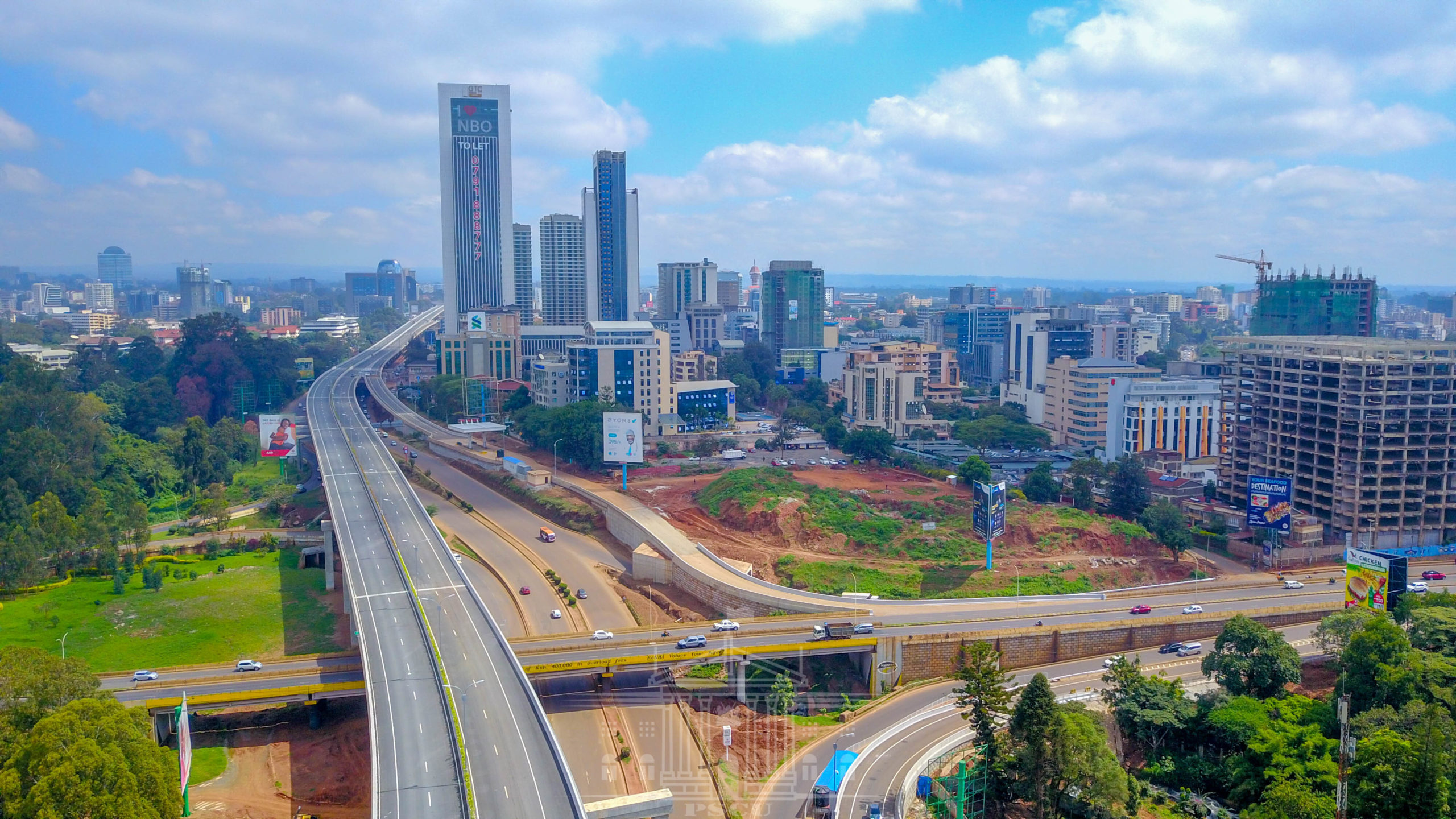
Kenya for instance which is East Africa’s gateway, BRI has significantly transformed the capital Nairobi, and the rest of the country, bringing along new and modern infrastructure that has propelled the country to another level.
Talk of the Standard Gauge Railway that connects Nairobi to Mombasa, Thika superhighway, and the new Expressway that has cut the time between the main airport, JKIA to the city to just minutes from the hours motorists used to spend.
Today, the city boasts of new modern skyscrapers that have defined the skyline, like the Global Trade Centre (GTC)–all part of the BRI initiatives.
Amid the BRI’s remarkable growth, it is pertinent to examine its reach and impact worldwide. However, beyond assessing the BRI’s vast global footprint, we should also consider the significant role it plays in addressing critical challenges facing the African continent.
Africa’s Complex Health Landscape
African nations grapple with a myriad of challenges, some of which have been exacerbated by the COVID-19 pandemic. The economic impact of the pandemic has pushed African economies into their most severe recession in half a century. Although there have been signs of recovery, the process remains sluggish. Governments, already burdened by rising debts, are compelled to reduce domestic health budgets, heavily relying on external health assistance funds.
Additionally, Africa has had to contend with various epidemics throughout the COVID-19 crisis, including monkeypox, Ebola, plague, yellow fever, and Lassa fever. This is in addition to the long-standing threats posed by HIV/AIDS, tuberculosis, and malaria, which have persisted and continue to endanger the continent’s population.
The WHO has reported that the COVID-19 pandemic led to a 4.3% decrease in malaria case detection rates in Africa, accompanied by a 13% increase in malaria-related deaths in sub-Saharan African countries. Such developments have not only exacerbated global health disparities but have also significantly impeded the realization of the United Nations’ 2030 Agenda for Sustainable Development.
The latest annual report from the Bill & Melinda Gates Foundation underscores the gravity of the situation, stating that “nearly every indicator of the UN Sustainable Development Goals is off track at the halfway point for achieving them by 2030.” A WHO report from May highlights how “the toll of the COVID-19 pandemic on global health contributes to the ongoing decline in progress towards the SDGs.”
China’s Unwavering Support for African Health
China has consistently been a staunch supporter and a key partner in Africa’s development, with medical and health cooperation standing out as a testament to this enduring alliance. Since 1963, China has continually dispatched medical teams to African nations. These teams, comprising nearly 1,000 medical professionals from 46 medical units, have provided medical care to over 230 million local patients across 45 African countries.
In 2015, China initiated partnerships with 46 hospitals in 41 African countries, aiming to enhance local medical specialization and specialized medical services through training programs. Moreover, short-term medical expert groups have been dispatched to over 40 African countries to offer free clinic services.
China’s commitment extends to upgrading modern medical and healthcare infrastructure. It has launched maternal and child health demonstration projects by leveraging Chinese medical teams and China-aided hospitals, promoting the wellbeing of mothers and children across the continent.
In the realm of public health, China has actively supported African nations in addressing infectious diseases and major public health crises. The COVID-19 pandemic, in particular, witnessed continued mutual support between China and Africa, setting a commendable example of international cooperation.
China’s health assistance and cooperation with African countries revolve around three core objectives: enhancing the provision of medical services, fostering health workforce cooperation, and improving access to essential medicines.
The Belt and Road Initiative, celebrating a decade of progress, extends its influence to address Africa’s multifaceted challenges, forging a path toward a healthier, more sustainable future for the continent and strengthening China’s partnership with Africa. As we reflect on these achievements, it’s evident that the BRI is not just a bridge between nations; it’s a lifeline, propelling nations toward a brighter and healthier future.
Economic Empowerment
The economic implications of the BRI in Africa are substantial. Through investments in infrastructure, such as railways, ports, and digital connectivity, the BRI has significantly contributed to enhancing trade facilitation on the continent. These infrastructure developments have not only reduced transportation costs but have also boosted connectivity, making it easier for African nations to engage in global trade.
The BRI has facilitated a surge in foreign direct investment (FDI) in various African countries. This influx of capital has spurred economic growth and job creation. With improved transportation networks, Africa’s exports have become more competitive in the global market. This has not only enhanced the continent’s economic resilience but also driven diversification and industrialization.
Capacity Building
Beyond infrastructure development, the BRI emphasizes capacity building in Africa. One of the critical aspects of this cooperation is knowledge transfer. Chinese-sponsored training programs and partnerships with African educational institutions have led to skill development and knowledge sharing. This has equipped the local workforce with the expertise needed to manage and maintain the newly established infrastructure.
Elijah Mwangi is a scholar based in Nairobi; he writes on infrastructure development.