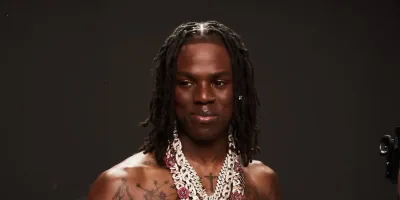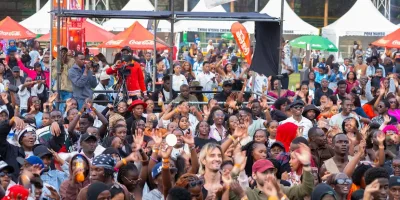
World Bongo Day was marked on May 31, and Antony Ochieng Onyango of the TonyWild Foundation hosted a Mountain Bongo photography exhibition at The Hub Karen featuring images documenting the critically endangered species over the years.
This came at a significant moment for conservation efforts, as Mount Kenya Wildlife Conservancy (MKWC) recently welcomed four male Mountain Bongos from European zoos to strengthen the gene pool of the existing population at MKWC. The total number of bongos at the conservancy now stands at 102.
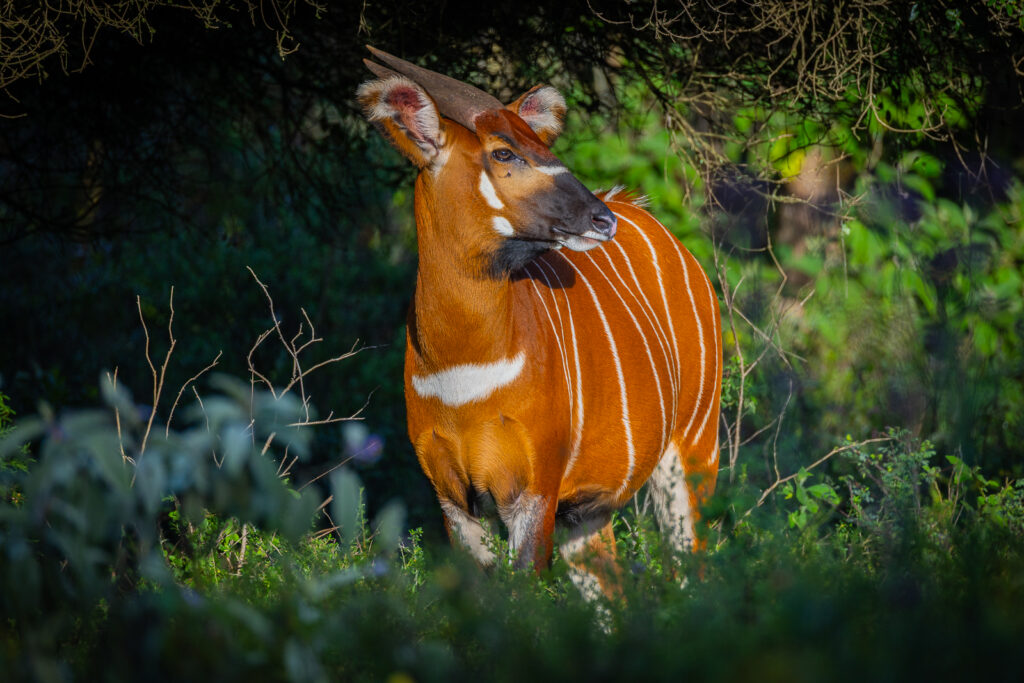
However, one of the biggest challenges facing conservation efforts is limited public awareness. Many people have never seen or even heard about the Mountain Bongo, one of Kenya’s rarest antelope species.
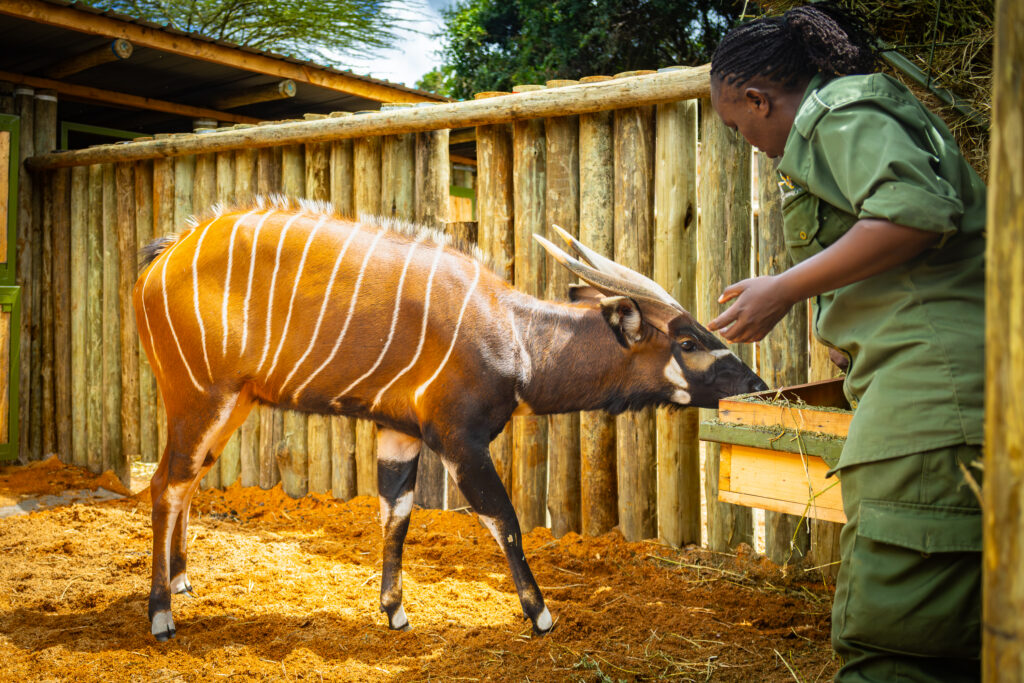
To commemorate the day, Anthony Ochieng’ Onyango of the TonyWild Foundation, in partnership with Mount Kenya Wildlife Conservancy (MKWC) and The Hub Karen, showcased a photography exhibition aimed at raising awareness about the species and inspiring public interest in its conservation.
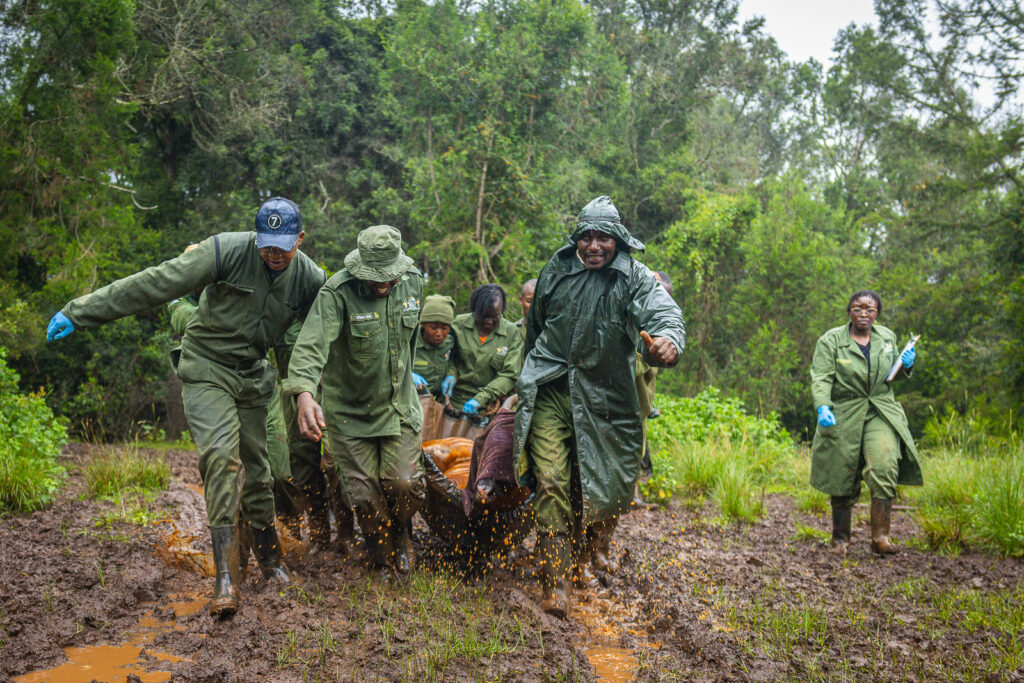
Capital Lifestyle caught up with Anthony Ochieng’ Onyango for a candid conversation on his work, the future of the Mountain Bongo and a sneak peek into what the future looks like:
1. Why is the Mountain Bongo considered one of Kenya’s most endangered species, and how many remain today?
The Mountain Bongo is listed as Critically Endangered on the IUCN Red List, with fewer than 100 individuals remaining in the wild. The antelope species is endemic to Kenya. They are scattered across four isolated forest ecosystems: Mount Kenya, the Aberdares, Eburu Forest, and the Maasai Mau.
The species has experienced one of the steepest population declines of any animal, driven by decades of hunting, poaching, habitat loss, and disease. Today, more Mountain Bongos live in captivity in Europe and North America than in their natural Kenyan habitat, making conservation programmes and awareness efforts critically important.
2. Why do you think Kenyan natives are so uninformed about the Mountain Bongo?
The definition of wildlife among many Kenyans has been limited to the “Big Five,” yet this is not the true scope of wildlife. Wildlife includes all undomesticated animals, plants, and other organisms living in the wild without human intervention or cultivation. It encompasses everything from mammals and birds to insects and fungi and represents a crucial component of global biodiversity and ecological balance.
This broader understanding is not widely known, which limits awareness of species like the Mountain Bongo. Additionally, the Mountain Bongo is extremely rare and difficult to spot, making it largely unknown to most Kenyans.
3. What has your experience in wildlife (conservation) photography been like, and would you consider it a viable career opportunity for other creatives?
My experience in conservation photography has been a continuous learning journey, one that has made me curious not only about the wildlife and people I photograph, but also about my purpose in life.
It is a very important career path because we need to tell our own stories. There are so many untold stories about wildlife and the people working to protect it, and it is up to us to share them.
4. What inspired you to start documenting the Mountain Bongo?
I had previously seen the Mountain Bongo at Mount Kenya Wildlife Conservancy and became curious about spotting one in the wild. During an assignment, I had the opportunity to visit Eburu and Mau Narok forests to document rangers on patrol while researching the species.
We searched for Bongos without success, which made me realise how critical it is to document them.
My role is to share this reality and encourage both the public and policymakers to reflect on their actions towards protecting our natural resources.
5. How important are photography and storytelling in raising awareness and advancing wildlife conservation efforts?
You cannot conserve what you cannot see. Photography and storytelling are powerful tools that connect with people emotionally.
When you bring the story to spaces like Parliament and spark conversation, awareness begins to grow.
There is a long-term goal to increase the Bongo population to 750 in the wild over the next 50 years, as set by KWS and conservation partners.
6. What challenges have you faced while photographing the Mountain Bongo in its natural habitat?
(Laughs) I have yet to photograph one in the wild, they are extremely shy and elusive animals. Even in conservancies, capturing a good image requires patience, calmness, and proper camouflage.
I hope to spend more time in their natural habitat to eventually photograph them in the wild.
7. What message do you hope Kenyans and the global audience will take away from this exhibition?
Mountain Bongos rely on well-conserved forests to survive, and we must support rewilding programmes to grow their population.
Kenyans already know what is right, we just need to act. Supporting government and conservation organisations is key, but more importantly, conservation must become part of our identity, not just something tied to tourism.
We will continue organizing other exhibitions related to conservation in areas where Bongos are found, to understand whether local communities are aware of this unique species in their forests. From there, I would like to exhibit the work at major global festivals.
8. What’s your message to aspiring photographers dreaming of capturing other endangered species?
You need to enter this space with a clear purpose and a defined impact you want to achieve. That clarity will give you the drive to keep creating and influencing people locally and globally, without losing your North Star.
When Africans tell wildlife stories, we redefine how we relate to wildlife. This can drive meaningful behaviour change, allowing us to live in harmony with nature, much like in the past, but with a modern perspective.
9. Is your work available for purchase, and how can members of the public engage with your photography?
Yes, my work is available for purchase, and a significant portion of the proceeds goes towards supporting the individuals working tirelessly to conserve the Mountain Bongo.