
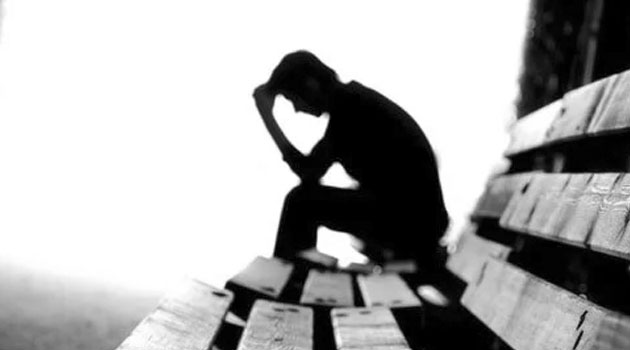
NAIROBI, Kenya, Mar 8 — Nickson Mwamba, 21, thought he had found his soul mate when he met a girl in 2020.
Their conversation sparked an instant connection, and they kept in touch for months.
Mwamba soon decided it was time to take their bond to the next level but to his shock, the girl turned him down causing him to spiral into an emotional downturn.
The once bubbly and happy young man slowly began to slide into depression.
Despite the rejection, Mwamba did not lose hope and continued to put more work into the relationship with the hope that she would one day change her mind.
However, his efforts bore no fruit, and the rejection took an emotional toll on him, negatively affecting his sense of self-worth and ability to initiate new relationships.
“The rejection affected me a lot. I lost my courage, slid into sadness, and began staying away and even stopped speaking to my friends,” he says.
He admits that although it took a while for him to get over the rejection, he is yet to completely heal.
He adds that if granted a second chance by the girl who rejected him he would grab the opportunity since he is “still in love.”
Self-doubt could fuel depression
Mwamba’s story is one of many cases of men and women who have suffered stress and mental health challenged as a result of rejection.
Cynthia Mutheu, a Nairobi-based mental health expert, argues rejection can lead to self-doubt, making one question themselves and their worth.
She further advises those going through rejection not to isolate them.
By doing so, Mutheu says they risk sliding into depression.
“When you are rejected, allow yourself to experience sadness. Do not start avoiding it or doing other things so that you don’t encounter your emotions. Feel all those emotions,” she says.
Mutheu encourages people struggling with rejection not to isolate themselves.
“Stay with people, do not isolate. Most people tend to isolate themselves at times like this, and when you isolate, it leads to depression in the end,” she advises.
3:1 | Male to female depression ratio
Globally, depression is estimated to affect 5 per cent of the adult population according the the World Health Organization (WHO).
A 2017 WHO report titled “Depression and Other Common Mental Disorders Global Health Estimates’ estimated Kenya’s depressive disorders at 4.4 per cent (1.9mn) of the country’s population.
Subsequently, studies indicated well over 700,000 people died due to suicide annually, nearly a third of the population struggling with depression.
Despite scarcity of data due to stigma, the average national suicide rate stands at 6.1 for every 100,000 people according to findings published on BMC Psychiatry, an open access, peer-reviewed journal.
A paper published on BMC Psychiatry in January 2022 suggested a male to female ratio of 3:1 pointing to a huge vulnerability among men. Studies have also listed suicide as the fourth leading cause of death among people aged 15 to 29.
Depression is treatable
Despite there being known effective treatments for mental disorders more than 75 per cent of people in low and middle-income countries receive no treatment according to WHO.
Psych Central, a US-based independent mental health news website, singles out coping with rejection as a key pillar towards recovery.
One needs to recognize when they feel rejected, address any cognitive distortions, seek therapy and realize that rejection is a common occurrence.
“Rejection is a common part of life. That doesn’t mean it’s wrong to feel hurt, but it does mean that being rejected isn’t necessarily a reflection of who you are,” Psych Central states in a publication on how to cope with rejection.