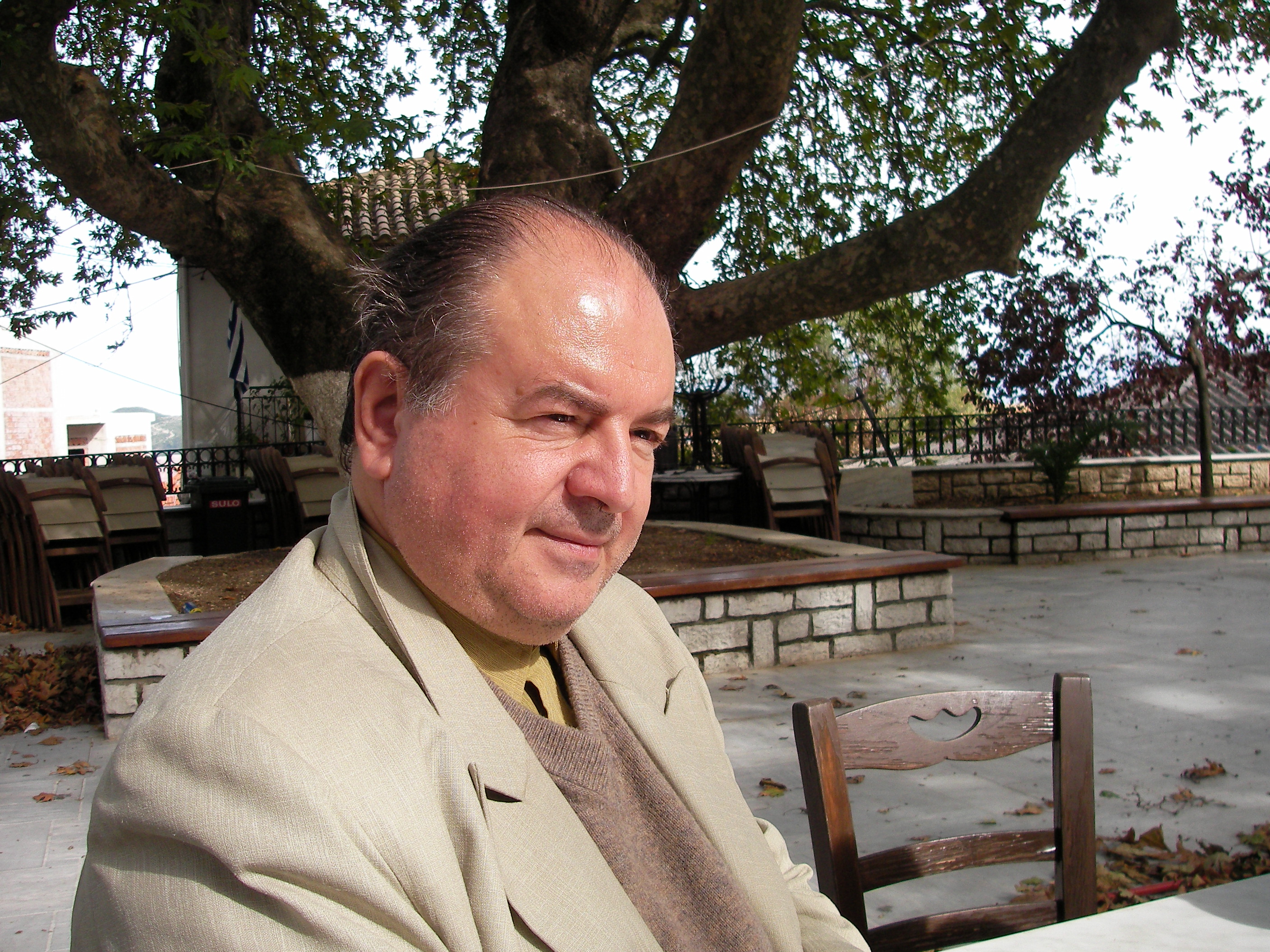
NAIROBI, Kenya, Oct 25 – Two years ago, Mihai Ignat set out for Kenya to experience its enchanting nature and wildlife.
With his dad Gerasimos Fourlanos, a PhD holder, they immediately fell in love with the country and never looked back.
“I came to Kenya two years ago. I came for a brief period of two weeks. However, because I really liked it here and I enjoy(ed) it so much, I decided to stay here for (a) longer time,” Ignat tells Capital Business.
Ignat fell in love with the country so much that he applied for a Bachelor’s Degree at the Strathmore University in Nairobi.
In the country, the duo saw a gap in the diabetic sector. Diabetes could not enjoy snacks like other healthy Kenyans.
So, they started Ofelos, a Kenyan-based firm that manufacturers diabetic-friendly cookies as well as for KETO individuals, people consuming less than 60 grams of carbohydrates per day
“We started (Ofelos) for the love of diabetes because as diabetic in Kenya and most parts of the world you cannot find a safe treat, a safe cookie that you can eat without having issues, without concerning your blood sugar,” the Bachelor of Business Information Technology graduate says.
Venturing into the business was easy for him since his father had the recipe. His daddy has been battling diabetes since 1990.
“So, having the recipes already in place, we decided why not. We should do them ourselves,” he says.
Initially, they were to open the bakery in Sweden but settle for Kenya after visiting instead.
Ofelos, he says, is derived from the Greek word meaning benefit. “Our main target was from the very beginning, and it still is the diabetic people.”
The firm makes three types of cookies such as coconut and cacao nib, spicy sesame and cardamon with ingredients such as hazelnuts, cocoa, coconut, cardamon, almond flour as well as Erythritol, a sweetener that does not interfere with insulin.
Currently, they are working on more recipes and more products to introduce on the market.
“So, currently we are sourcing everything locally. However, the original of the ingredients, for example, almond flour originates normally from Italy or from Iran. erythritol originates from China, and cacao from Ghana or Tanzania,” he says.
Unlike similar imported products that cost upwards of Sh1,200, its product sells for Sh650 per box.
“Currently, we are making a loss every time we sell a box because we don’t benefit yet from the economy of the scale,”
“However, we want to be as affordable as possible,” he says, adding that the product targets middle to upper class.
So far, the family has invested about Sh15 million into the company in research, buying equipment and human resources.
The company, which has employed five-individuals, sells their products at the Goodlife Pharmacy, Naivas Supermarket and Chandarana.
Like thousands of firms, the company has not been immune to supply chain disruptions such as high shipping costs as well as raw material shortages.
From Kenya, the firm plans to expand to Tanzania, Ethiopia, Uganda, Rwanda, Burundi, and Congo.
“After selling (to) these African communities, our plan is to sell from Kenya to Europe as well as China.”
His father, who is a lawyer, previously ran Greek restaurants in Cambodia, Thailand, Bangkok, and Greece.
“So, I learned the lesson that consistency is key and to trust yourself and to work hard. That if you plan well and you are well set on your target, you’ll reach it,”
“And also, you don’t have limits. Your limits are your imagination.”
The firm is looking to raise capital from local and international investors to expand its business line.
“In order for us to look for investors and to get a good deal, we need to have broken even,” he said.