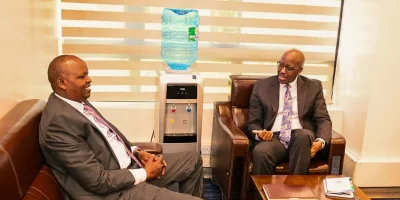
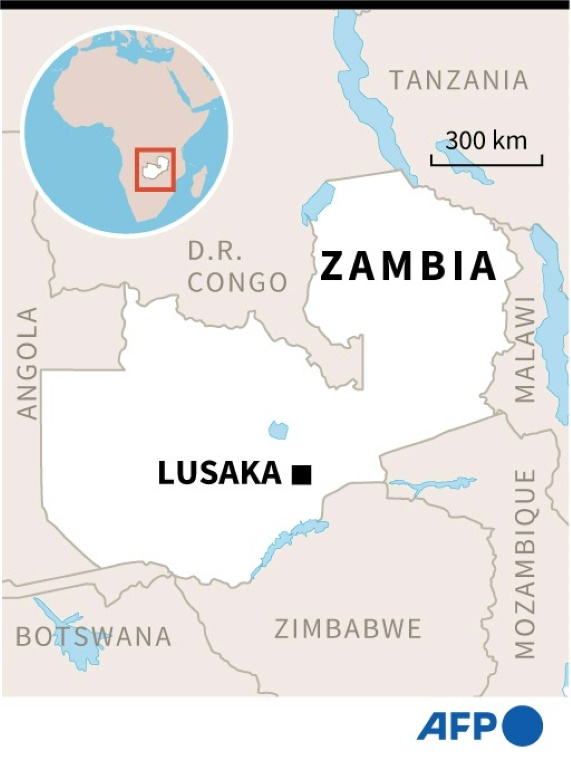
LUSAKA, Jan 12 — More than 2.3 million children have gone back to school due to the introduction of a free education policy in Zambia, said Douglas Syakalima, Minister of Education, on Monday.
Syakalima said the policy has helped rescue children from the streets and is shaping a disciplined and productive future generation.
“These children were thirsty for knowledge. It was money that kept them away,” he said when welcoming learners back from their holidays.
The Minister added that the introduction of free education would go a long way in reducing social problems such as crime and unemployment, noting that education is part of social control.
He encouraged parents and guardians to take advantage of the free education policy and send their children to school.
Syakalima further said the government would secure free education by transforming it from a policy into law through the introduction of a bill next month.
Meanwhile, Kelvin Mambwe, Permanent Secretary for Educational Services, said the government would remain steadfast in monitoring and enforcing the free education policy across all levels, from early childhood to secondary education.
He urged school administrators to uphold learners’ rights to free, quality education and to provide the necessary support to keep students engaged and progressing.
The government led by President Hakainde Hichilema introduced free education after winning the 2021 general elections, fulfilling one of its key campaign pledges.