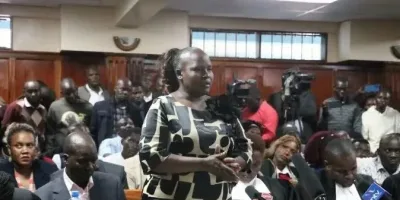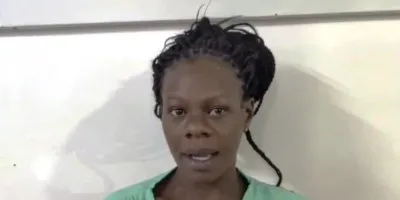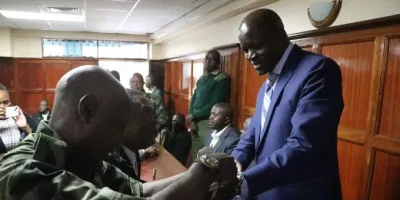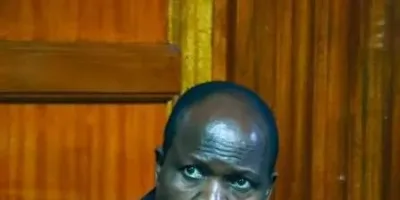
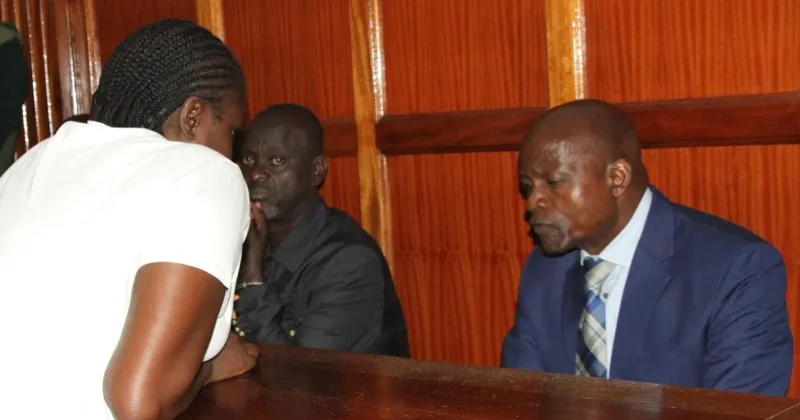
NAIROBI, Kenya Sep 16 – The father of slain university student Sharon Otieno has told the High Court that he would not oppose a non-custodial sentence for former Migori Governor Okoth Obado, saying the convicted former governor had shown remorse and sought reconciliation with the family.
Appearing before the court during the sentencing proceedings, Douglas Zachariah Otieno said he had remained silent about his daughter’s death for nine years but had decided to speak because of the significance of the day.
“I thank the court for granting me the opportunity today to speak about my daughter’s death in this court. For nine years I haven’t talked about it,” Mr Otieno said.
He said his statement was largely about Obado, whom he said had reached out to the family through relatives in an attempt to reconcile.
“He sent his relatives to my home for a reconciliation. That is why I have come down to this end to talk to him. If the court agrees for non-custodial, that will be okay with me because he is remorseful,” he said.
Mr Otieno, however, expressed anger towards Obado’s co-convicts, Michael Juma Oyamo and Caspal Ojwang Obiero, saying he had not seen the same remorse from the two.
He said his bitterness towards Oyamo and Obiero was heightened by their alleged connection to the events leading to Sharon’s death.
“But I am too bitter today seeing Oyamo and Caspal, since they were last seen with my daughter until she was killed,” he told the court.
In an emotional statement, Mr Otieno used graphic imagery to convey the depth of his anger towards the two men.
“If I could be a dog today, I could bite them and lick their blood the same way dogs licked my daughter’s blood,” he said.
He maintained that Oyamo and Obiero had not shown remorse towards the family.
“The two aren’t remorseful up to this time,” he said.
The High Court convicted Obado, Oyamo and Obiero of Sharon’s murder on July 23, 2026, after Justice Cecilia Githua found that the prosecution had proved its case beyond reasonable doubt.
The court is now considering submissions from the families, the prosecution and the defence before determining the appropriate sentences for the three convicts.