NAIROBI, Kenya, Mar 3 – The United Nations Environment Assembly (UNEA) has adopted a landmark resolution committing to adopt a legally binding agreement by 2024 to end plastic pollution.
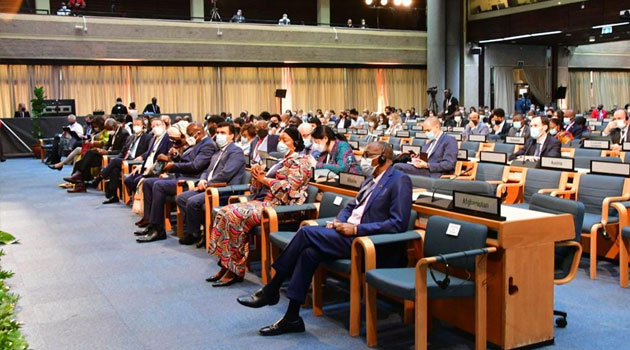
Delegates from UN Members States reached consensus on the matter at the UNEA 5 convention in Gigiri, Nairobi, on Wednesday.
“Heads of State, Ministers of environment and other representatives from 175 nations made a historic resolution at the resumed fifth session of the United Nations Environment Assembly (UNEA-5.2) in Nairobi to end plastic pollution and forge an international legally binding agreement by 2024,” the Ministry of Environment and Forestry.
“The landmark agreement addresses the full life cycle of plastic from source to sea,” the ministry stated following the resolution.
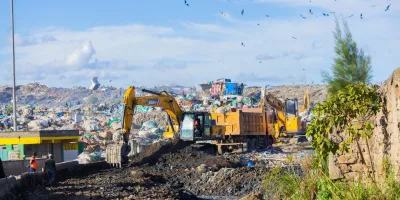
“Plastic production has risen exponentially in the last decades and now amounts to some 400 million tons per year the figure is set to double by 2040,” the ministry noted.
UN members have been tasked with developing an over-arching framework to reduce plastic waste across the world.
Delegates described the commitment to take action on the plastic crisis as the most important environmental decision taken by the UN in years.
The framework covers the entire life cycle of plastic — a key demand for nations, businesses and environment groups — and could for the first time introduce new rules on the production of new plastic.
“It also allows for the negotiation of new rules around the design of plastic products — which are made from oil and gas — to make recycling easier, encourage sustainable uses, and spur better waste disposal,” said UNEA Chair Espen Barther Eide.
“This is a clear acknowledgement that the entire life cycle of plastic, from fossil fuel extraction to disposal, creates pollution that is harmful to people and the planet,” Graham Forbes from Greenpeace said.
The mandate allows for binding and voluntary measures, and the setting of global targets and obligations, the development of national action plans, and mechanisms for tracking progress and ensuring accountability.
It also calls for financial assistance to help poorer countries take action.
In a statement read by Environment CS Keriako Tobiko on behalf of President Uhuru Kenyatta welcomed the recommendation for adoption by the Assembly to tackle plastic pollution.
He decried that numerous Multilateral Environmental Agreements have been signed and regulations put in place to minimize these risks but the risks, continue unabated.
“For without such accountability, any agreement remains but empty words on paper,” he said.
Kenyatta said the government has taken bold and multi-faceted actions on forests, which include policy reforms and investments to protect existing forests, restoration of degraded forest ecosystems and an increase in forest cover through an aggressive afforestation and reforestation programme.
During UNEA 5.2 Kenya presented its progress reports and proposals towards the one critical agenda of putting an end to plastic pollution.
“Kenya appreciates the intergovernmental negotiating committee on Marine litter and plastic that will work on new global agreement. Kenya strongly feels that the scope of the committees work should not only cover the entire life cycle of plastics but must go beyond with robust mandate that will help address the complex and multifaceted plastic menace,” Environment Principal Secretary Chris Kiptoo noted.
Tobiko who presented Kenyatta’s remarks, mentioned that Kenya is in support of the resolution that will come out of this conference in regards to plastic pollution whereby the country is advocating for a circular economy in plastic manufacturing.
“This will ensure that all plastics undergo a certain process that will not be harmful to the environment.”
Kenya banned single-use plastics in 2017 but plastics are still being sneaked through porous borders.